The Secret to Aging Gracefully Without a Time Machine
Medically reviewed by Allison Lane, MD
Allison Lane • March 4, 2026

Table of Contents
- What It Really Means to Age Gracefully (And How to Start Today)
- The Physical Foundation: How to Age Gracefully Through Movement
- Nourishing Longevity: Diet, Sleep, and Cellular Repair
- Beyond the Face: Targeted Skincare and Hormonal Awareness
- The Mental Shift: Cultivating Emotional Resilience and Connection
- Frequently Asked Questions About Aging Well
- Conclusion
What It Really Means to Age Gracefully (And How to Start Today)
How to age gracefully isn't about looking 30 forever. It's about staying strong, sharp, and energized as the years go by — on your own terms.
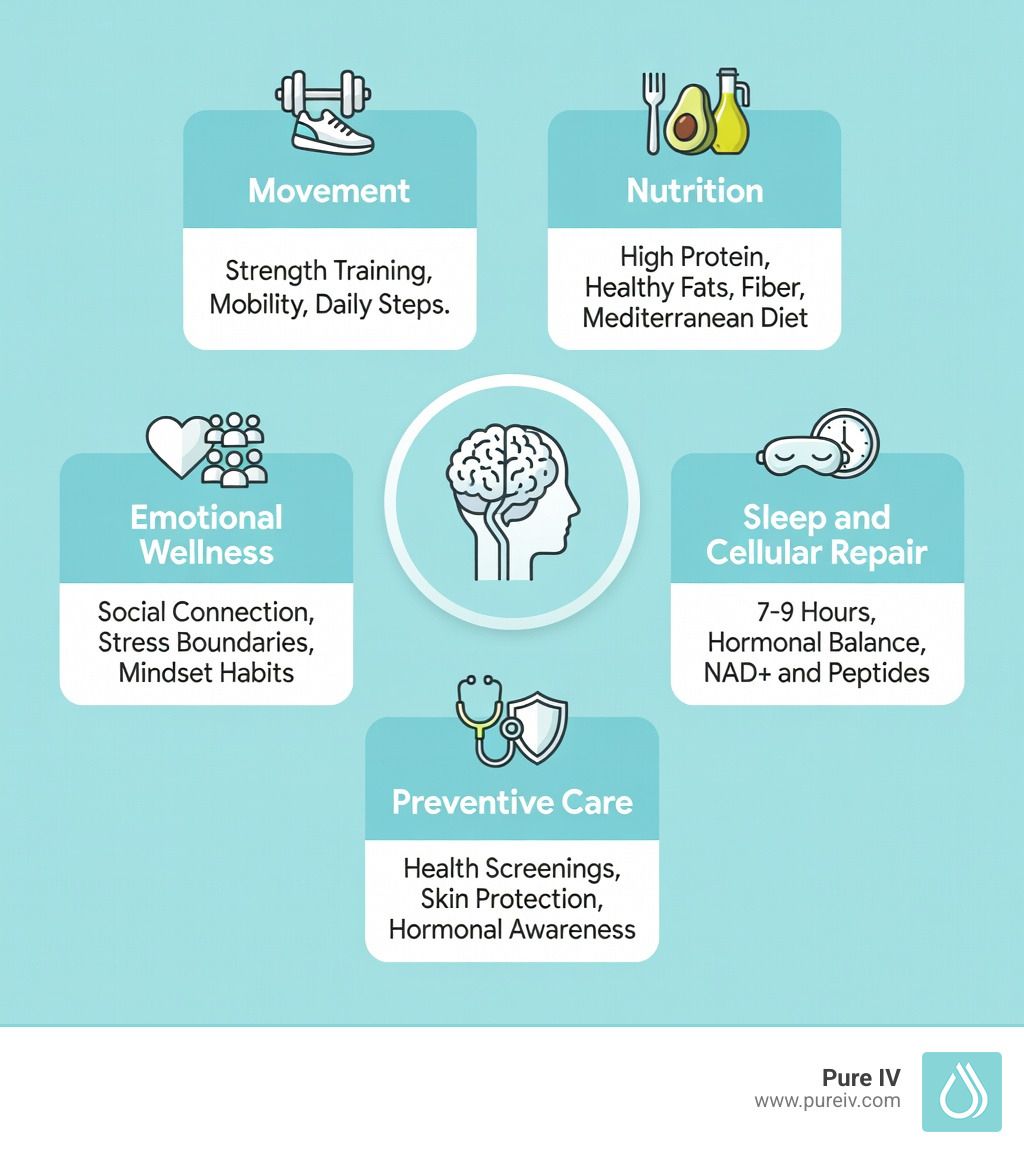
Here's a quick snapshot of what actually works:
- Move your body- Strength training and daily walking are among the highest-impact habits for longevity.
- Eat for fuel, not just pleasure- High protein, healthy fats, and fiber support hormones, muscle, and metabolism.
- Protect your sleep- Adults getting 6 hours or less per night face a significantly higher dementia risk.
- Stay connected- Strong social relationships increase survival odds by 50%.
- Manage stress and set boundaries- Chronic stress accelerates cellular aging.
- Get regular health screenings- Early detection saves lives.
- Care for your whole body- Including often-neglected areas like your neck, hands, and décolletage.
Most people assume aging well is mostly about genetics. The research tells a different story. Many of the biggest factors — exercise, sleep, diet, stress, and social connection — are entirely within your control.
I'm Dr. Allison Lane, board-certified emergency medicine physician and Medical Director at Pure IV, and my 15+ years of clinical and sports medicine experience have shown me how intentional daily habits can dramatically change how we age gracefully and how long we stay healthy. In the sections below, I'll walk you through the evidence-backed strategies that make the biggest difference.
The Physical Foundation: How to Age Gracefully Through Movement
When people talk about "feeling old," they are usually referring to a loss of physical freedom. We often view the stiffening of joints and the weakening of muscles as an inevitable slide, but medical research suggests otherwise. The foundation of how to age gracefullyis built on the literal strength of your frame.
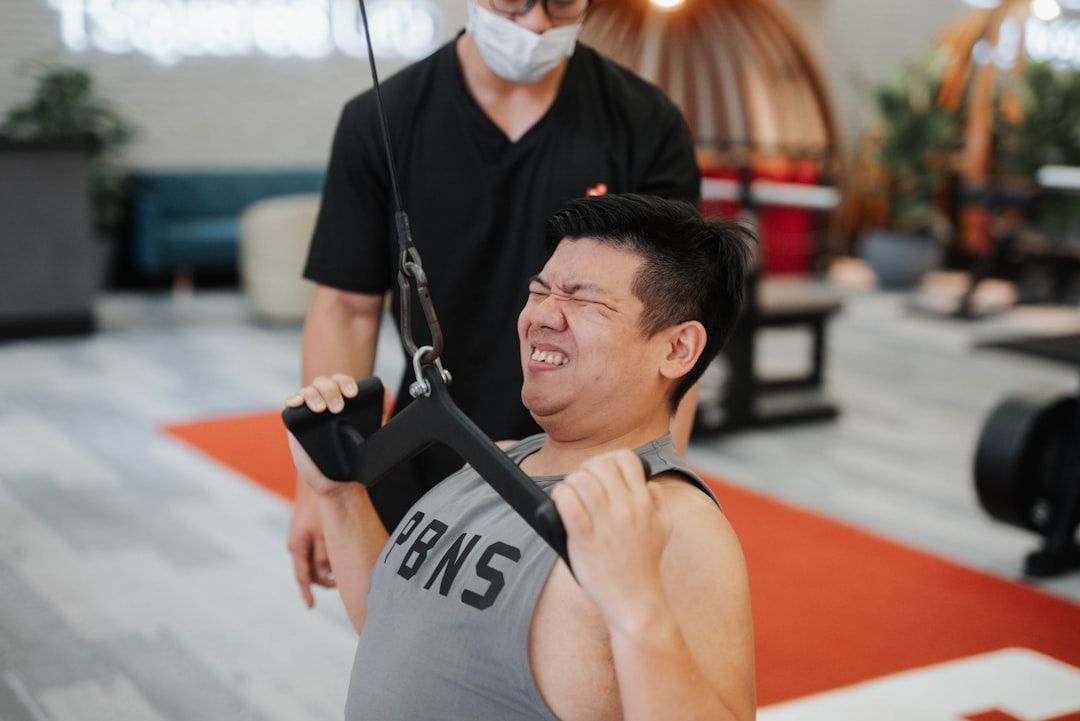
Muscle mass is one of the single best predictors of longevity. In fact, for adults older than 55, muscle mass was a better predictor of longevity than weight or Body Mass Index (BMI). We naturally lose muscle with every passing decade, a process that accelerates for women after menopause. This isn't just about aesthetics; muscle is a metabolic organ that helps manage blood sugar, supports your joints, and prevents the falls that often lead to a loss of independence.
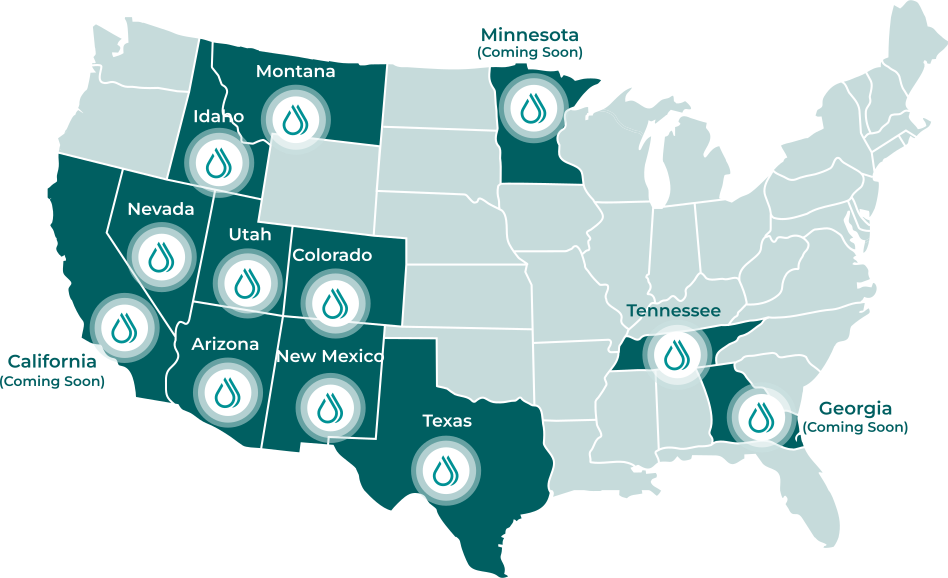
A 2019 investigation on exercise and muscle mass confirmed that consistent exercise helps older adults maintain the energy needed for everyday activities. At Pure IV, we see many clients in places like Scottsdale, Arizona, and Las Vegas, Nevada, who prioritize resistance training to keep their "metabolic fire" burning.
Daily Mobility Habits to Prevent Falls
Aging gracefully requires us to maintain the basic functions we often take for granted. Can you sit on the floor and get back up without using your hands? Can you stand on one leg while brushing your teeth? These simple "tests" are actually vital indicators of long-term health.
To prevent the loss of basic skills, we recommend incorporating these habits into your day:
- Floor Sitting: Habitually sitting on the floor helps maintain hip and knee mobility.
- Squatting: Deep squats (even using a chair for support) preserve the strength needed for independent living.
- Balance Exercises: Standing on one leg for 30 seconds daily can significantly reduce fall risk.
For those recovering from overexertion or looking to support tissue repair, we often discuss the Wolverine Combo Peptide as part of a comprehensive wellness plan to help keep the body moving fluidly.
The Role of Weight-Bearing Exercise for Bone Health
Bone density is a "use it or lose it" resource. After age 30, bone breakdown begins to exceed bone formation. To combat this, weight-bearing exercises like walking, hiking, and dancing are essential. These activities force your bones to work against gravity, which signals the body to keep them dense and strong.
Walking is a powerhouse for longevity. Research shows that adults taking 8,000 steps or more per day had a 51% lower risk of death from all causes compared to those taking only 4,000. In our service areas like Boise, Idaho, or Denver, Colorado, taking advantage of local trails is a perfect way to hit these goals.
For those concerned about growth hormone decline and its impact on physical repair, Sermorelin Peptide therapy is a common topic of interest for its role in supporting the body's natural restorative processes.
Nourishing Longevity: Diet, Sleep, and Cellular Repair
What you put into your body acts as the "software" that runs your biological "hardware." As we age, our caloric needs may decrease, but our need for high-quality nutrients increases.
| Diet Pattern | Key Components | Primary Benefit |
|---|---|---|
| Mediterranean | Olive oil, fish, whole grains, produce | Heart health & lower mortality risk |
| DASH | Low salt, high potassium/calcium | Blood pressure management |
| MIND | eafy greens, berries, nuts | Cognitive protection & dementia prevention |
A nutrient-dense diet focuses on:
- High Protein: Essential for maintaining the muscle mass mentioned earlier.
- Healthy Fats: Crucial for hormone production and brain health.
- Fiber: Supports the digestive system, which can slow down with age.
Following the Dietary Guidelines for Americans provides a strong baseline, but we often encourage clients to focus on "anti-inflammatory" eating to protect their joints and heart.
Why Sleep is a Non-Negotiable for How to Age Gracefully
If there is a "magic pill" for aging, it’s a solid 7 to 9 hours of sleep. Sleep is when your brain "cleans" itself of metabolic waste and your heart repairs its vessels.
The stakes are high: research on sleep quality and dementia risk shows that adults in their 50s and 60s who get 6 hours of sleep or less have a higher risk of developing dementia later in life. Chronic sleep deprivation also spikes cortisol, which accelerates skin aging and leads to weight gain around the midsection.
Boosting Cellular Health with NAD+ and Peptides
At the most fundamental level, aging is cellular damage. Every cell in your body contains a coenzyme called NAD+ (Nicotinamide Adenine Dinucleotide). It is responsible for DNA repair and maintaining the integrity of your telomeres — the protective caps on the ends of your chromosomes.
As we age, NAD+ levels naturally decline, leading to mitochondrial dysfunction (the "power plants" of your cells slowing down). Replenishing these levels through targeted support can improve energy and cognitive clarity.
Beyond NAD+, peptide therapy has emerged as a powerful tool for those looking to optimize their healthspan. For instance, the GHK-Cu Peptide is widely researched for its ability to support skin and hair health, while Ipamorelin Peptide is often used to support healthy growth hormone levels without the harsh spikes associated with older treatments.
Beyond the Face: Targeted Skincare and Hormonal Awareness
Many people spend a fortune on facial serums but forget that their neck, hands, and décolletage (the chest area) are often the first places to show true "biological age."
Approximately 90% of age-related skin problems, such as wrinkles and blotchy texture, are actually caused by sun damage, not just the passage of time. Because the skin on the neck and chest is thinner and has fewer oil glands, it is more prone to sagging and "crepiness."
To maintain a youthful glow, your skincare routine must extend from your hairline down to your nipples and out to your fingertips. This includes daily SPF 30+ and consistent moisturization. For an internal boost to your skin's radiance, you can also explore How to Drip Your Way to Clearer Skin via our specialized hydration and vitamin infusions.
Navigating Menopause and Hormonal Shifts
For women, understanding the transition into perimenopause and menopause is crucial, often starting as early as age 35. This isn't just about hot flashes; it's about the systemic impact of declining estrogen and progesterone on bone density, heart health, and brain function.
Education is the best defense. Resources like "The Menopause Manifesto" by Dr. Jen Gunter are excellent for understanding these shifts. In the realm of advanced support, the CJC-1295 Peptide is frequently utilized by those looking to support their metabolism and sleep quality during these hormonal changes.
Understanding Testosterone and Vitality
Hormonal health isn't just a female concern. Men experience "andropause," where testosterone levels gradually decline, leading to loss of muscle, increased body fat, and "brain fog." Preserving metabolic health as a man often requires a proactive approach to maintaining these levels.
For those experiencing clinically low levels, options like Testosterone Injections or Oral Testosterone can be transformative for energy, libido, and
The Mental Shift: Cultivating Emotional Resilience and Connection
We often focus so much on the physical that we forget the "social" in "biopsychosocial" health. Loneliness is now considered a public health crisis, with some experts suggesting it is as harmful to your lifespan as smoking 15 cigarettes a day.
A review on social relationships and survival odds found that people with strong social ties have a 50% increased likelihood of survival. Whether you are in Nashville, Tennessee, or Salt Lake City, Utah, finding a community — through volunteering, hobby groups, or intergenerational friendships — is a biological necessity.
Mindset Habits for How to Age Gracefully
How you think about aging actually changes how you age. Studies have shown that people with a positive outlook on getting older live, on average, 7.5 years longer than those with negative perceptions.
To detox your mental state:
- Reduce Gossip and Negativity: Constant complaining and "venting" keep your nervous system in a state of chronic stress.
- Set Boundaries: Learning to say "no" to people-pleasing is a longevity strategy. Chronic stress ages your cells prematurely.
- Practice Forgiveness: Holding onto old grudges keeps cortisol levels high.
- Maintain Humor: Taking yourself less seriously reduces the physiological impact of daily stressors.
If stress has led to weight gain or metabolic issues, our Weight Loss Services can help you get back on track while you work on the emotional foundations.
Cognitive Health and Lifelong Learning
The brain is like a muscle: if you don't challenge it, it weakens. Brain plasticity — the ability of the brain to form new connections — continues throughout life, but it requires "novelty."
A study on learning new skills and memory found that older adults who learned difficult new skills, like digital photography or quilting, saw significant improvements in memory compared to those who just did social activities or easy puzzles. Stay curious. Read books outside your usual genre, learn a new language, or pick up a musical instrument.
Frequently Asked Questions About Aging Well
Can I start healthy habits in my 50s and still see results?
Absolutely. It is never too late to extend your healthspan. For example, research on quitting smoking at age 55 shows that even those who quit between ages 55-64 lived about 4 years longer than those who continued. Similarly, starting a strength training program in your 50s or 60s can significantly improve bone density and prevent future falls.
What are the most effective ways to manage chronic stress?
Chronic stress is a "silent ager." To regulate cortisol, we recommend a "multi-pronged" approach:
- Meditation and Deep Breathing: Even five minutes a day can reset your nervous system.
- Physical Boundaries: Protecting your time and sleep is essential.
- Professional Support: The National Institute of Mental Health resources provide excellent guidance for those struggling with chronic anxiety or depression, which can often be mistaken for "just getting older."
How does alcohol consumption impact the aging process?
While a glass of wine is often touted as part of the Mediterranean diet, moderation is key. The CDC defines moderate drinking as one drink or less per day for women and two or less for men. Excessive alcohol consumption is linked to premature brain aging and can disrupt the deep sleep cycles necessary for cognitive repair.
Conclusion
Aging gracefully is not a passive process; it is an active, intentional choice. It’s about building a body that can still hike the mountains of Albuquerque, New Mexico, and a mind that remains curious about the world in places like El Paso, Texas, or Bozeman, Montana.
At Pure IV, our mission is to support your proactive healthspan. We provide mobile wellness services — including hydration, vitamin drips, and recovery support — delivered directly to your home or office by licensed nurses and paramedics. With real-time Nurse Practitioner approval for every treatment, we ensure your wellness journey is both safe and personalized.
Whether you are looking to replenish your NAD+ levels, explore the benefits of peptide therapy , or simply ensure your body has the micronutrients it needs to thrive, we are here to help you age with power, fire, and strength. You don't need a time machine to feel your best — you just need the right habits and the right support.
Dr. Allison Lane is a board-certified physician who focuses on clear communication, patient safety, and personalized treatment plans. She works closely with our team to ensure care is safe based on each person’s medical history, needs, and goals. Her clinical interests include sports medicine, emergency medicine, and tactical medicine.
Dr. Lane has extensive experience providing medical support for athletes and major events. She is the Medical Director for the Tucson Roadrunners and has served as a team physician for University of Arizona athletics and multiple professional and community sports organizations. She also works as a ringside physician for boxing and MMA events.
She’s also active in community service and medical training, helping teach CPR, Narcan use, Stop the Bleed, and basic first aid. At Pure IV, Dr. Lane's focus is on medical compliance, patient safety, and helping scale Pure IV on the medical side.
Education & Training:
- University of Arizona College of Medicine (2010)
- Emergency Medicine Residency, University of Arizona (2013)
- Primary Care Sports Medicine Fellowship, University of Arizona (2014)
Recent Posts