Ski Resort & Mountain Recovery IV Therapy
You planned this ski trip for months. New gear. Perfect snow forecast. The whole crew is pumped. Then you get to the mountain and within a few hours, someone’s got a splitting headache. Someone else is nauseous. The person who was most excited about skiing is lying on the couch at the lodge saying they just need to rest for a minute.
★★★★★ Trusted by 50,000 satisfied patients
That’s altitude sickness. It affects up to 40% of people who travel from sea level to elevations above 7,000 feet. And it doesn’t care how fit you are, how much water you drank on the plane, or how badly you want to ski.
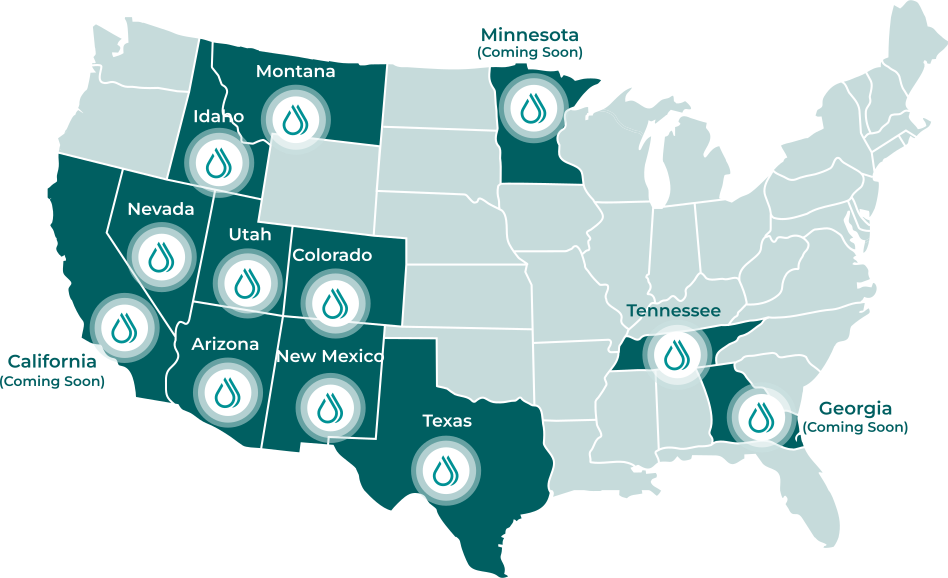
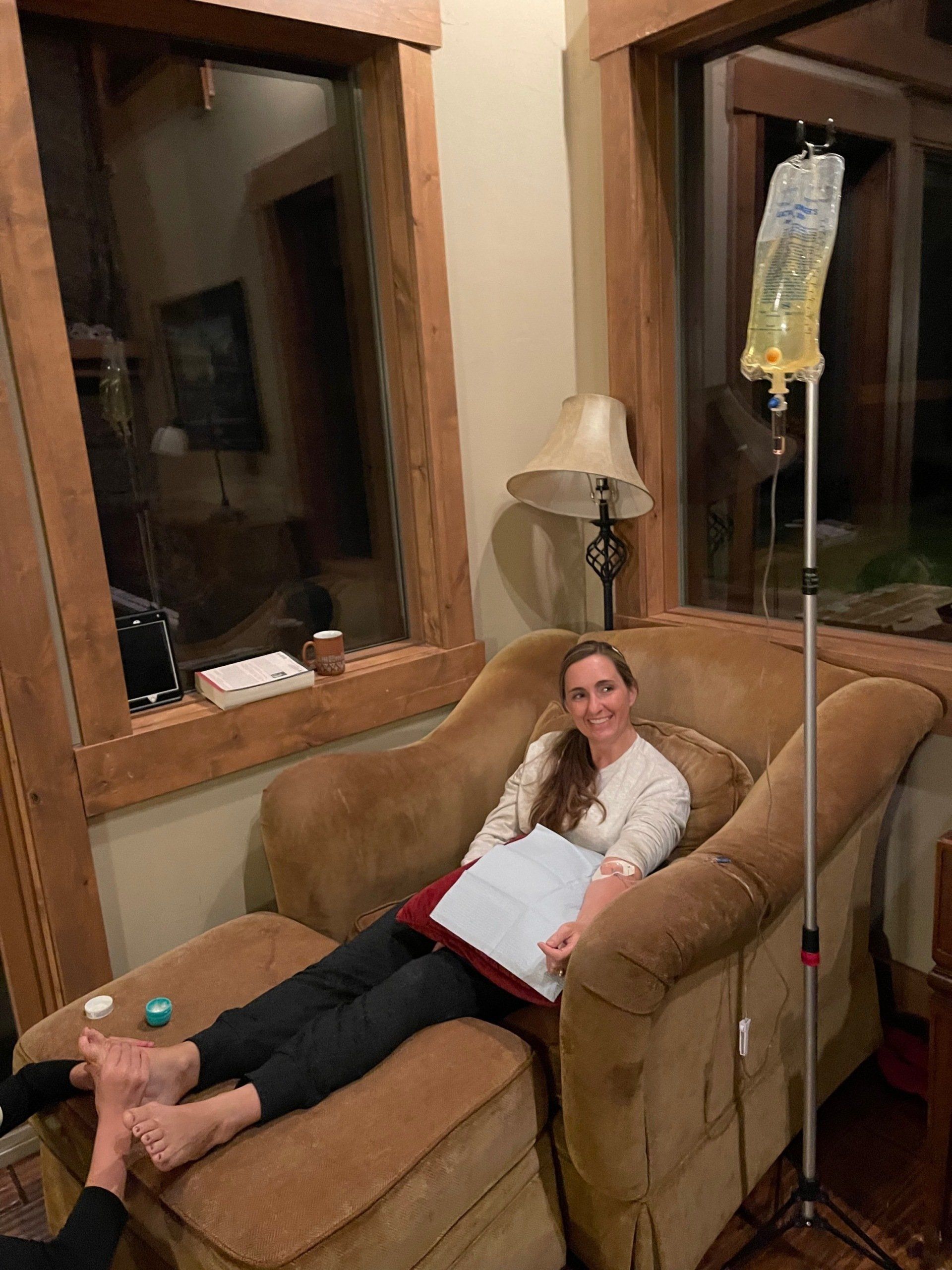
Pure IV delivers mobile IV therapy directly to your ski lodge, mountain condo, hotel, or vacation rental in Colorado, Utah, Idaho, and Montana. Our altitude sickness IV protocol is specifically designed to combat the dehydration, inflammation, and oxygen deficit that causes mountain sickness symptoms. Most people feel dramatically better within 30–45 minutes.
Book Altitude Sickness IV
What Altitude Sickness Actually Does to Your Body
Altitude sickness happens when your body can’t get enough oxygen from the thinner air at high elevations. The higher you go, the less oxygen is available in each breath. Your body responds by increasing your heart rate, breathing faster, and producing more red blood cells — but those adjustments take time. Usually 24–72 hours.
In the meantime, you feel terrible. Here’s what happens at different elevation zones:
| Elevation | What Happens | Where This Is |
|---|---|---|
| 5,000–7,000 ft | Mild symptoms possible. Faster heart rate, slight headache, fatigue. Most people adjust within a day. | Denver (5,280 ft), Albuquerque (5,312 ft), Boise (2,730 ft at city but nearby mountains reach 7,000+) |
| 7,000–10,000 ft | Moderate symptoms common. Headache, nausea, dizziness, shortness of breath, poor sleep, loss of appetite. 25–40% of visitors are affected. | Park City (7,000 ft), most ski resort base areas, Breckenridge base (9,600 ft) |
| 10,000–14,000 ft | Severe symptoms possible. Intense headache, vomiting, extreme fatigue, confusion. Can become dangerous without treatment. | Ski summit elevations, mountain passes, backcountry hiking |
The key thing to understand is that altitude sickness isn’t just dehydration — although dehydration makes it worse. It’s a combination of low oxygen levels, rapid fluid loss from faster breathing, and inflammation in your brain and lungs. That’s why drinking more water alone often isn’t enough to prevent or treat it.
IV therapy works because it delivers a large volume of fluids, electrolytes, anti-inflammatory medication, and vitamins directly into your bloodstream. Your body absorbs 100% of it immediately, compared to roughly 50–60% absorption from drinking water. For altitude sickness specifically, the combination of rapid rehydration plus anti-inflammatory medication targets the root causes of your symptoms.
Pure IV’s Altitude Sickness Protocol
Our altitude sickness IV protocol was developed specifically for mountain environments. It’s not a generic hydration drip with a different name — it’s a targeted combination of ingredients designed to address the specific mechanisms that cause altitude sickness:
1 Liter of Lactated Ringer’s Solution. Rapid rehydration with balanced electrolytes. At altitude, you lose fluids 2–3 times faster than at sea level through increased respiration and dry mountain air. This replaces what you’ve lost and restores fluid balance.
Toradol (Ketorolac). A powerful anti-inflammatory medication that targets the headache and inflammation that altitude triggers. This is the same medication used in emergency rooms for severe headaches and pain. It works fast — most people notice headache relief within 15–20 minutes.
Zofran (Ondansetron). Anti-nausea medication for the stomach problems that altitude causes. Nausea and loss of appetite are among the most common altitude symptoms, and Zofran addresses them directly.
B Complex and b12. Energy-boosting vitamins that help combat the fatigue and brain fog that come with altitude adjustment. B vitamins also support oxygen transport in your blood.
Magnesium. Muscle relaxant and headache reliever. Altitude often causes muscle tension and cramping, especially after physical activity like skiing. Magnesium helps your muscles relax and reduces headache severity.
Vitamin C. Antioxidant support. Physical stress from altitude increases oxidative damage. Vitamin C helps your body manage that stress.
The full infusion takes 30–45 minutes. Most people start feeling better within the first 15–20 minutes as the fluids and anti-inflammatory medication take effect. By the time the IV is done, the majority of patients report significant improvement in headache, nausea, and energy levels.
When to Book Your Altitude IV — Prevention vs. Treatment
Preventive IV (Before Symptoms Hit)
The smartest approach is to get a preventive altitude IV within 24 hours of arriving at elevation. This front-loads your body with hydration and nutrients before altitude sickness has a chance to develop. Preventive IVs are especially recommended for people who have experienced altitude sickness before, anyone coming from sea level, and groups that want to maximize their time on the mountain instead of spending day one feeling rough.
Ideal timing: Get your IV the evening you arrive or the morning of your first ski day. Many of our patients book a preventive IV at their lodge the night they check in, then wake up feeling great and ready to hit the slopes.
Treatment IV (After Symptoms Start)
Already feeling the altitude? Call us. Our same-day service means we can often be at your lodge within 1–2 hours. The treatment IV uses the same protocol as the preventive drip but adds stronger anti-nausea and anti-inflammatory medication based on your symptoms.
Don’t wait to see if it gets better on its own. Altitude sickness tends to get worse during the first 24–48 hours at elevation, especially if you’re active. Getting treated early means you lose one hour to an IV instead of losing an entire day (or more) to feeling terrible.
Multi-Day Ski Trip Packages
For groups spending 4–7 days at altitude, we offer multi-day packages. A common schedule: preventive IV on arrival day, then a recovery IV on day 3 or 4 when your body starts to feel the cumulative effects of altitude, cold, physical activity, and après ski celebrations. This keeps the whole group functioning at a high level throughout the trip.
Ski Markets We Serve — Colorado, Utah, Idaho & Montana
Park City & Utah Ski Resorts
Park City sits at 7,000 feet with ski terrain reaching above 10,000 feet. Deer Valley, Park City Mountain, Snowbird, Alta, Brighton, and Solitude are all within our service area. We deliver to lodges, condos, hotels, and vacation rentals throughout the Wasatch Front and Park City area.
Salt Lake City (4,226 ft) is lower but still high enough for some visitors to feel effects, especially when they head up the canyons to ski at 8,000–11,000 feet. We cover the full Salt Lake metro, Park City corridor, and surrounding mountain communities.
Utah insider tip: The combination of Utah’s notoriously dry air and high altitude creates dehydration faster than almost anywhere else. You can lose a surprising amount of fluid just by breathing at altitude in dry winter air. Even if you don’t feel thirsty, your body is losing moisture rapidly.
Denver & Colorado Ski Resorts
Denver itself sits at 5,280 feet — enough to affect some visitors. But the real altitude challenge starts when you drive into the mountains. Breckenridge (9,600 ft base), Vail (8,150 ft base), Keystone, Copper Mountain, Arapahoe Basin, and Loveland all sit well above the altitude sickness threshold.
Pure IV Denver delivers to downtown hotels, Front Range cities, and Colorado Springs. For ski resort areas, contact us about service availability — we’re expanding mountain coverage and can often arrange treatment at resort-area locations.
Colorado insider tip: Many visitors fly into Denver, have a few drinks at a brewery that evening, then drive to the mountains the next morning. That combination — flight dehydration + alcohol at altitude + ascending 4,000+ feet — is the perfect storm for severe altitude sickness. A preventive IV in Denver before heading to the mountains can make a huge difference.
Boise & Idaho Ski Areas
Boise sits at a moderate 2,730 feet, but Sun Valley (5,750 ft base, 9,150 ft summit), Bogus Basin (5,800 ft base), and Tamarack Resort offer significant elevation gains. Visitors driving from Boise to Sun Valley climb over 3,000 feet, which is enough to trigger symptoms in sensitive individuals.
Pure IV Boise delivers throughout the Treasure Valley and can arrange service to Sun Valley and McCall areas.
Montana Ski Areas
Big Sky Resort (7,500 ft base, 11,166 ft summit) and Bridger Bowl near Bozeman offer serious altitude challenges. Pure IV serves the Bozeman area and surrounding mountain communities.
Montana’s remoteness makes mobile IV therapy especially valuable — the nearest hospital may be an hour away, but Pure IV can be at your lodge much faster.
Après Ski Recovery — Not Just Altitude
Even if altitude sickness isn’t your problem, ski trips are physically demanding. Between the cold, the exertion, the dry air, and the après ski bar scene, your body takes a beating.
Pure IV’s ski recovery services go beyond altitude sickness:
Post-ski muscle recovery.
Skiing and snowboarding use muscles you forgot you had. Our Athletic Recovery IV includes amino acids, magnesium, and anti-inflammatory medication to reduce soreness and speed recovery between ski days.
Cold and flu defense.
Crowded gondolas, shared lodges, and cold weather increase your exposure to illness. Our Immune Defense IV loads you up with vitamin C, zinc, and glutathione to keep your immune system strong.
Hangover recovery.
Après ski drinks hit different at altitude. Alcohol affects you 2–3 times faster at elevation. Our Hangover Recovery IV gets you back on the mountain the next morning.
General hydration.
Cold dry air plus physical activity equals rapid dehydration. Even if you feel fine, a hydration IV between ski days keeps you performing at your best.
Group Ski Trip Pricing
Ski trips are group events. Pure IV offers group discounts so your whole crew can get treated:
| Group Size | Discount | Common Scenario |
|---|---|---|
| 4–9 guests | 10% off | Family ski trip, small friend group |
| 10–19 guests | 15% off | Large friend group, corporate ski retreat |
| 20+ guests | 20% off | Company retreat, wedding party ski weekend, ski club |
Altitude sickness IV starts at $295. Recovery and hydration IVs start at $150. Multi-day packages available at additional savings. HSA and FSA accepted.
Book Your Ski Trip IV
What Actually Causes a Hangover?
Most people assume hangovers are just dehydration. That’s part of it, but the full picture is more complicated. A hangover is actually your body dealing with multiple problems at the same time. Here’s what’s happening inside your body after a night of heavy drinking:
Dehydration and Electrolyte Loss
Alcohol is a diuretic — it tells your kidneys to produce more urine than normal. Research shows that drinking about 4 standard drinks can cause your body to eliminate 600 to 1,000 mL of extra fluid over several hours. That’s up to a full quart of water your body loses on top of what it normally would. This fluid loss pulls electrolytes like sodium, potassium, and magnesium out with it. The result? Thirst, dry mouth, headaches, dizziness, and that overall “wrung out” feeling.
Acetaldehyde Buildup
When your liver processes alcohol, it breaks it down in two steps. First, an enzyme called alcohol dehydrogenase converts ethanol (the alcohol you drank) into acetaldehyde. Then a second enzyme converts acetaldehyde into harmless acetate. The problem? Acetaldehyde is toxic — between 10 and 30 times more toxic than the alcohol itself. When you drink heavily, your liver can’t convert acetaldehyde fast enough. It builds up in your system and causes nausea, vomiting, sweating, and a rapid heartbeat. This is one of the biggest drivers of that “I feel like I’m dying” hangover feeling.
Inflammation and Immune Response
Alcohol triggers your immune system to release inflammatory chemicals called cytokines. These are the same chemicals your body produces when you’re fighting an infection — which is why a bad hangover can feel a lot like being sick. Cytokines cause headaches, body aches, fatigue, nausea, and brain fog. They can even interfere with memory formation, which is why you might not remember parts of the night before.
Stomach Irritation
Alcohol directly irritates and inflames the lining of your stomach and intestines. It increases stomach acid production and slows down the rate at which your stomach empties. This combination causes the nausea, stomach pain, and sometimes vomiting or diarrhea that make hangovers so miserable.
Blood Sugar Drops
Your liver is so busy processing alcohol that it can’t properly regulate your blood sugar. This can cause blood sugar levels to drop, leading to shakiness, weakness, fatigue, and mood changes. If you’re diabetic, this effect can be even more pronounced and potentially dangerous.
Sleep Disruption
Alcohol might help you fall asleep, but it wrecks the quality of your sleep. It blocks the deeper stages of sleep (called REM sleep) that your brain and body need to restore themselves. This is why you can sleep for 8+ hours after drinking and still wake up feeling exhausted, foggy, and irritable.
Congeners: Why Some Drinks Cause Worse Hangovers
Not all alcoholic drinks are created equal when it comes to hangovers. Darker liquors like bourbon, whiskey, red wine, and brandy contain higher levels of compounds called congeners — chemical byproducts of fermentation that contribute to taste, color, and smell. Congeners include substances like methanol, which your body converts into formaldehyde and formic acid (both highly toxic). This is why a night of bourbon tends to produce a worse hangover than the same amount of vodka or gin, which contain far fewer congeners.
➤ Need fast hangover relief? Check out our Hangover IV package:
Why Most Hangover Remedies Don’t Work
Let’s be honest — everyone has a “cure” for hangovers. Your college roommate swears by a greasy breakfast. Your coworker drinks pickle juice. The internet says activated charcoal. But when it comes to actual evidence, most popular hangover remedies don’t hold up.
“Hair of the Dog” (Drinking More Alcohol)
This is the oldest hangover myth in the book. Drinking more alcohol the morning after might temporarily mask symptoms because you’re getting buzzed again — but you’re just delaying the inevitable. Your liver still has to process all that alcohol eventually. When the hangover finally catches up, it’s usually worse than it would have been. The National Institute on Alcohol Abuse and Alcoholism is clear: there is no scientific evidence that this works.
Coffee
Caffeine might help with a headache and make you feel more alert temporarily, but it’s also a diuretic — meaning it makes you pee more and can make dehydration worse. And it does nothing to address nausea, inflammation, or the toxic byproducts your liver is still processing.
Greasy Food
Eating a big, greasy meal before drinking can slow alcohol absorption, which may reduce hangover severity. But eating greasy food after you’re already hungover? It’s more likely to make your nausea worse. Your stomach is already irritated and inflamed — dumping heavy, fatty food on top of that is usually not the answer.
Sports Drinks
Sports drinks like Gatorade can help with mild dehydration because they contain electrolytes. But they also contain a lot of sugar, and they still have to pass through your stomach — which may not be cooperating. If you’re vomiting, sports drinks aren’t going to stay down long enough to help.
Over-the-Counter Pain Relievers
Ibuprofen (Advil) can help with headaches and body aches, but it can also further irritate your already-inflamed stomach lining. Acetaminophen (Tylenol) is especially risky because your liver is already working overtime to process alcohol — adding Tylenol puts additional strain on it. Aspirin can also increase stomach irritation and bleeding risk.
The bottom line: most hangover remedies either don’t work, only address one symptom, or can actually make things worse. Effective hangover recovery needs to address multiple problems simultaneously — dehydration, electrolyte loss, inflammation, nausea, and nutrient depletion. That’s exactly what IV therapy does.
How IV Therapy Treats Hangover Symptoms
IV therapy is the most comprehensive approach to hangover relief because it tackles every major cause of your symptoms at the same time. Here’s how each component works:
IV Fluids (Lactated Ringer’s): Rapid rehydration that bypasses your stomach. One liter of IV fluids rehydrates you faster and more completely than drinking several bottles of water — especially important when you’re too nauseous to keep anything down.
Anti-Nausea Medication (Zofran/Ondansetron): This is the same medication hospitals use to stop nausea and vomiting. Delivered directly into your bloodstream, it works within minutes — not the 30-60 minutes it takes for an oral anti-nausea pill (if you can even keep one down).
Anti-Inflammatory Pain Medication (Toradol/Ketorolac):
A powerful, non-narcotic anti-inflammatory that’s far more effective than ibuprofen for hangover headaches and body aches. Unlike acetaminophen, Toradol doesn’t put extra strain on your liver.
B Complex Vitamins: Alcohol depletes your B vitamins, which are essential for energy production, brain function, and metabolism. Replenishing them through an IV restores what alcohol took away and helps your body recover faster.
Vitamin B12: Supports energy levels and neurological function. Alcohol interferes with B12 absorption, so IV delivery ensures your body actually gets what it needs.
Magnesium: Alcohol causes significant magnesium loss. Low magnesium contributes to muscle cramps, headaches, irritability, and fatigue — all classic hangover symptoms. IV magnesium helps restore balance quickly.
Vitamin C: A powerful antioxidant that helps your body fight the oxidative stress caused by alcohol metabolism. It supports your immune system and helps your liver process toxins more efficiently.
Glutathione (available as an add-on): Known as the “master antioxidant,” glutathione plays a direct role in helping your liver break down acetaldehyde — the toxic byproduct that causes many of the worst hangover symptoms. Alcohol depletes your body’s glutathione stores, so replenishing it can accelerate your recovery.
Hangover Remedies Compared: What Actually Works?
| Remedy | Addresses Dehydration? | Stops Nausea? | Relieves Pain? |
|---|---|---|---|
| Water | Partially (slow absorption) | No | No |
| Sports Drinks | Partially (slow, sugar-heavy) | No | No |
| Coffee | No (makes it worse) | No (can increase it) | Mild headache relief |
| Ibuprofen | No | No (irritates stomach) | Yes (limited) |
| Greasy Food | No | Can make it worse | No |
| IV Therapy | Yes (100% absorption, immediate) | Yes (anti-nausea medication included) | Yes (Toradol, more effective than OTC) |
This doesn’t mean you should stop drinking water. Staying hydrated daily is still the best way to prevent dehydration. But when dehydration has already set in and you need fast relief, IV therapy gets you there faster.
Altitude Makes Hangovers Worse — Here’s Why That Matters
If you’re drinking in Colorado, Utah, Montana, Idaho, or any high-altitude destination, your hangovers are going to be significantly worse than they’d be at sea level. This isn’t in your head — there’s a real physiological reason.
At higher elevations, the air is drier and your breathing rate increases. Both of these accelerate fluid loss. Your body is already working harder to adjust to the altitude, which burns through water and electrolytes faster than normal. Add alcohol — a diuretic that also impairs your body’s ability to acclimatize — and you’re setting yourself up for a hangover that’s far more severe than what you’d experience at sea level.a
Research also suggests that alcohol’s effects feel stronger at altitude because lower oxygen levels may impair your body’s ability to metabolize alcohol efficiently. This means you may feel drunker from fewer drinks, and the resulting hangover hits harder.
Pure IV serves multiple high-altitude markets including Denver, Park City, Salt Lake City, Boise, and Bozeman. If you’re visiting any of these areas and planning to drink, proactive hydration — including a pre-event IV — can make a meaningful difference in how you feel the next morning.
➤ Heading out tonight? Get ahead of the hangover:
When Should You Get IV Therapy for a Hangover?
IV therapy for hangovers isn’t just for people who went way too hard. Many people use it in everyday situations where they want to recover quickly and get on with their day:
- After a night out when you’re too nauseous to eat or drink anything
- The morning of an important meeting, flight, or family event when you can’t afford to be down
- During bachelor or bachelorette party weekends when you need to rally for multiple days
- After wedding receptions, holiday parties, or corporate events
- During festival or concert weekends (looking at you, Vegas and Nashville)
- After drinking at altitude in Colorado, Utah, Montana, or Idaho
- When over-the-counter remedies aren’t cutting it and you need real relief
- Proactively before a big event — some people book a pre-event IV to start the night fully hydrated
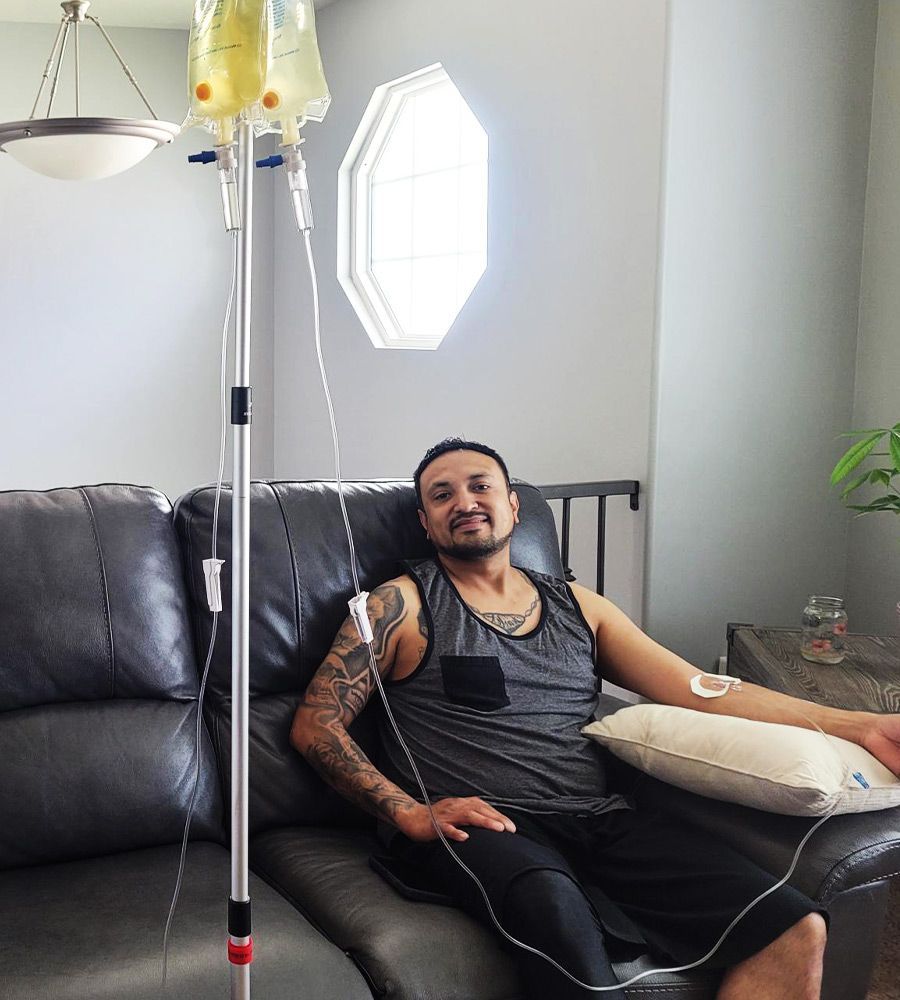
Why Choose Pure IV for Dehydration Treatment?
Not all mobile IV therapy services are created equal. Here’s what makes Pure IV different:
Real-Time Nurse Practitioner Approval: Before your IV starts, a licensed Nurse Practitioner reviews your health information and approves your treatment in real time. This isn’t a rubber stamp — it’s a genuine medical review to make sure you’re getting the right treatment safely. Most mobile IV companies don’t offer this level of oversight.
Licensed Medical Professionals Only: Every Pure IV treatment is administered by a licensed Registered Nurse or Paramedic with IV therapy experience. No shortcuts, no unlicensed staff.
Physician-Owned: Pure IV is a physician-owned practice, meaning our protocols, ingredient sourcing, and safety standards are held to a higher level than most competitors in the mobile IV space.
Same-Day Service: When you’re dehydrated, you don’t want to wait until tomorrow. Book online or call, and we’ll have a provider at your door as quickly as possible — often within a few hours.
No Hidden Fees: The price you see is the price you pay. No travel fees, no surprise charges. We accept all major credit cards, and our services are HSA and FSA eligible.
We Come to You: Home, office, hotel, Airbnb, event venue — wherever you are, we’ll be there. No driving, no waiting rooms, no hassle.
Frequently Asked Questions — Altitude & Ski IV Therapy
How quickly does altitude sickness IV therapy work?
Most patients feel significant improvement within 15–20 minutes of starting the IV. The anti-inflammatory and anti-nausea medications work especially fast. By the time the 30–45 minute infusion is complete, most people feel dramatically better. Some patients go from lying on the couch to skiing the same afternoon.
Can IV therapy prevent altitude sickness completely?
A preventive IV significantly reduces your risk and severity of altitude sickness, but it doesn’t guarantee you won’t experience any symptoms. Everyone’s body responds differently to altitude. What we can say is that patients who get a preventive IV consistently report milder symptoms and faster adjustment compared to those who don’t.
Is altitude sickness dangerous?
Mild to moderate altitude sickness (headache, nausea, fatigue) is uncomfortable but not usually dangerous. However, severe altitude sickness can progress to high altitude pulmonary edema (HAPE) or high altitude cerebral edema (HACE), which are medical emergencies. If you experience severe confusion, inability to walk straight, persistent vomiting, or extreme shortness of breath at rest, seek emergency medical care immediately. IV therapy is appropriate for mild to moderate symptoms.
Should I get an IV before or after skiing?
Both work, depending on your situation. A preventive IV before your first ski day front-loads your hydration and helps prevent symptoms. A recovery IV after skiing addresses muscle soreness, dehydration, and fatigue from the day’s activity. For multi-day trips, many guests do both — a preventive IV on arrival and recovery IVs after big ski days.
Does drinking more water prevent altitude sickness?
Staying hydrated helps, but it’s not a complete solution. Altitude sickness is caused by low oxygen and inflammation, not just dehydration. Oral hydration is also slower and less efficient at altitude because your body absorbs only 50–60% of what you drink. IV therapy delivers 100% absorption and includes anti-inflammatory medication that water can’t provide.
I’ve been to altitude before with no problems. Can I still get altitude sickness?
Yes. Previous trips at altitude don’t guarantee immunity. Your susceptibility can change based on how hydrated you are, how much sleep you got, whether you’ve been drinking alcohol, your fitness level, and even random physiological variation. We see experienced mountain visitors get altitude sickness regularly.
Do you deliver to ski lodges and mountain condos?
Yes. We deliver to lodges, condos, hotels, vacation rentals, and Airbnbs in our service areas. For mountain locations outside our standard delivery zone, contact us — we can often arrange service with advance notice.
Client Reviews
What Are People Saying About Pure IV?
Book Your Altitude & Ski Recovery IV
Don’t let altitude sickness ruin your ski trip. Pure IV delivers physician-supervised altitude treatment and recovery IVs to your lodge, condo, or hotel in Colorado, Utah, Idaho, and Montana. Same-day service. No travel fees. Group discounts for your whole crew.
The best time to book is before you feel sick. Get a preventive IV the day you arrive and set your trip up for success.
Book Your Altitude IV
Pure IV — Physician-Owned Mobile IV Therapy. Serving Ski Country Across 4 States.
Recommended IV Options for Dehydration
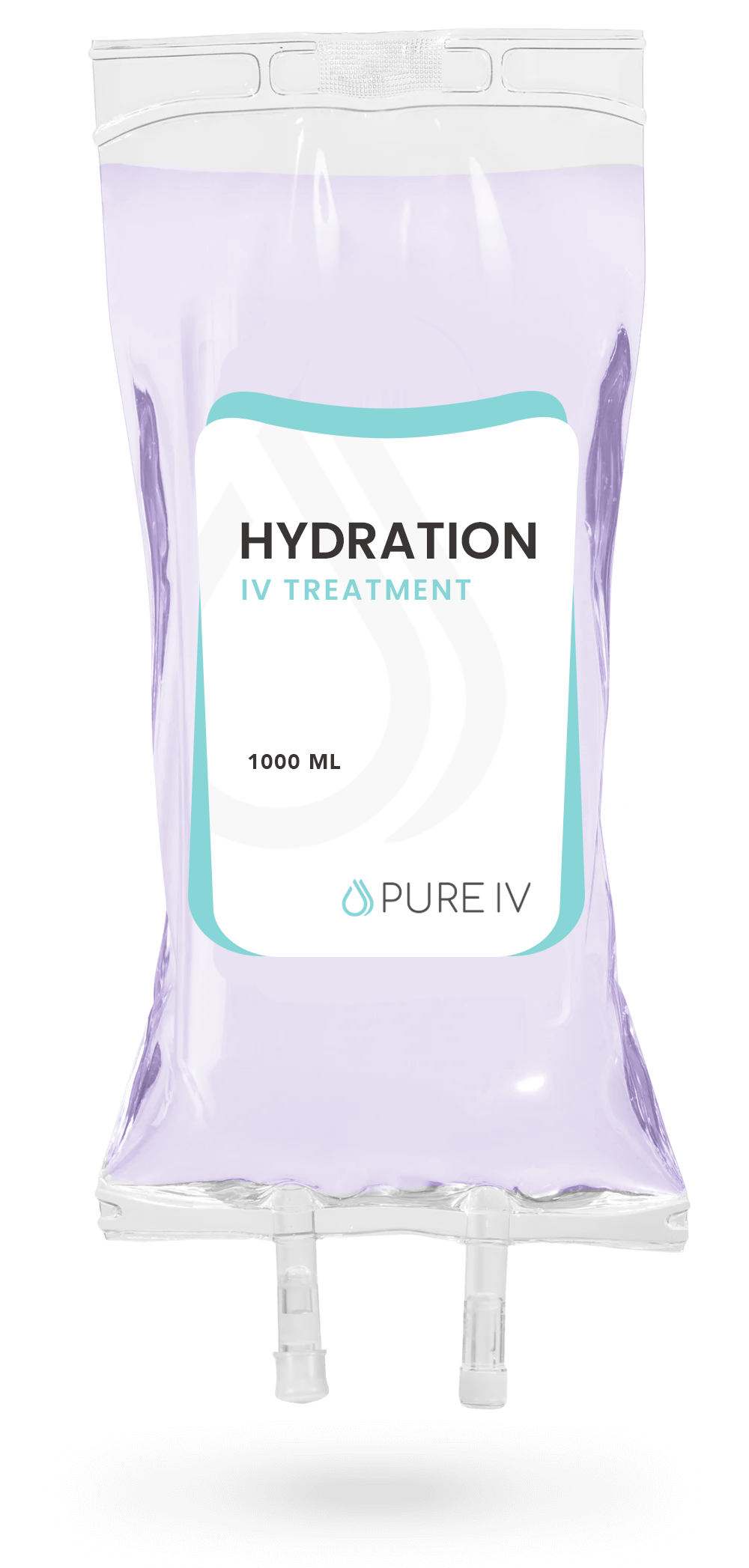
Hydration IV
For those just needing hydration from illness, activity, or general wellness support.
Rapid hydration and electrolyte replacement.
Key Ingredients
- IV fluids
Price: $130*
(*prices may vary per state)
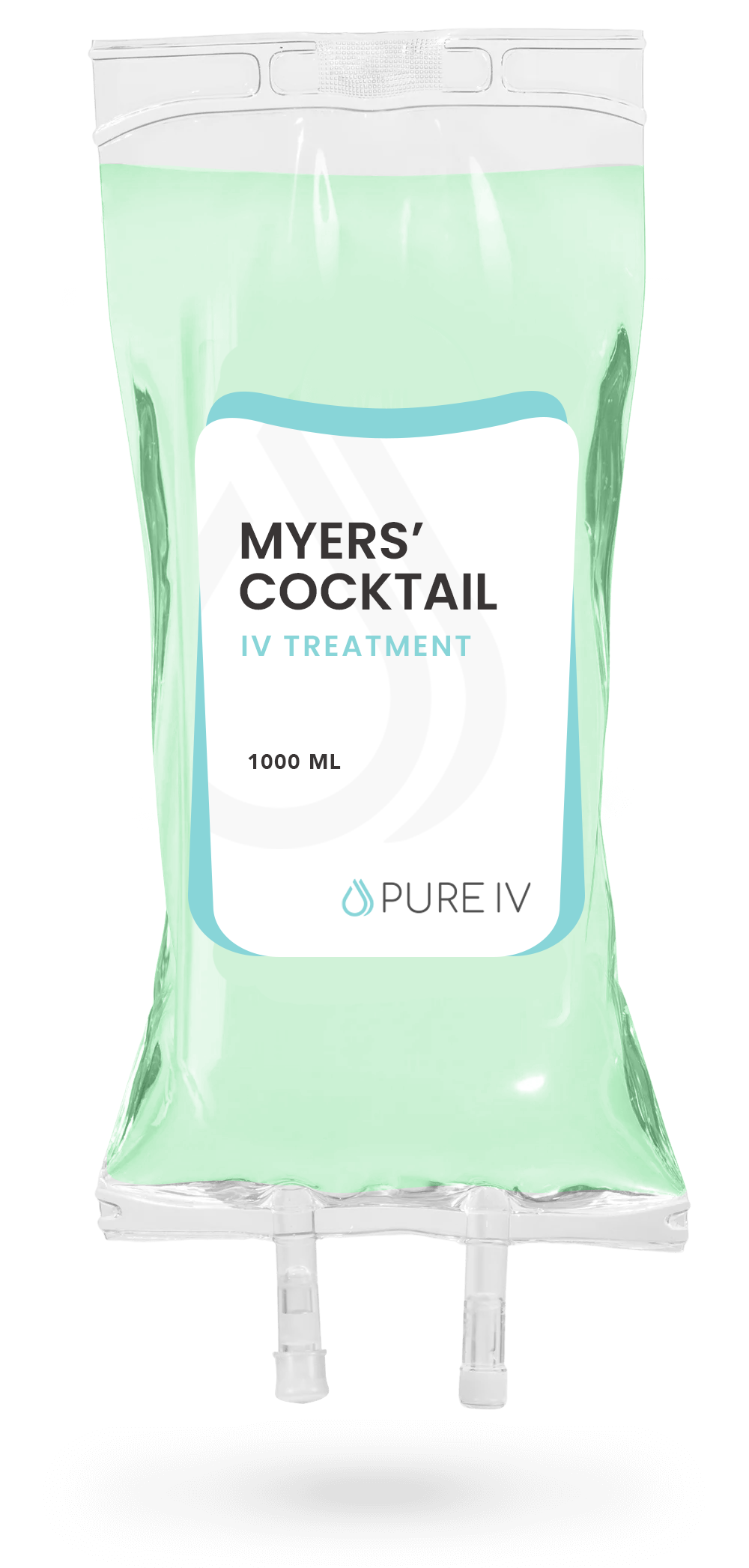
Myers Cocktail IV
The most popular package for hydration and micronutrient support.
Antioxidant and cellular support, assist muscle and nerve function, immune boost, and energy metabolism.
Key Ingredients
- B vitamins
- Vitamin C
- Glutathione
- Zinc
- Magnesium
Price: $210*
(*prices may vary per state)
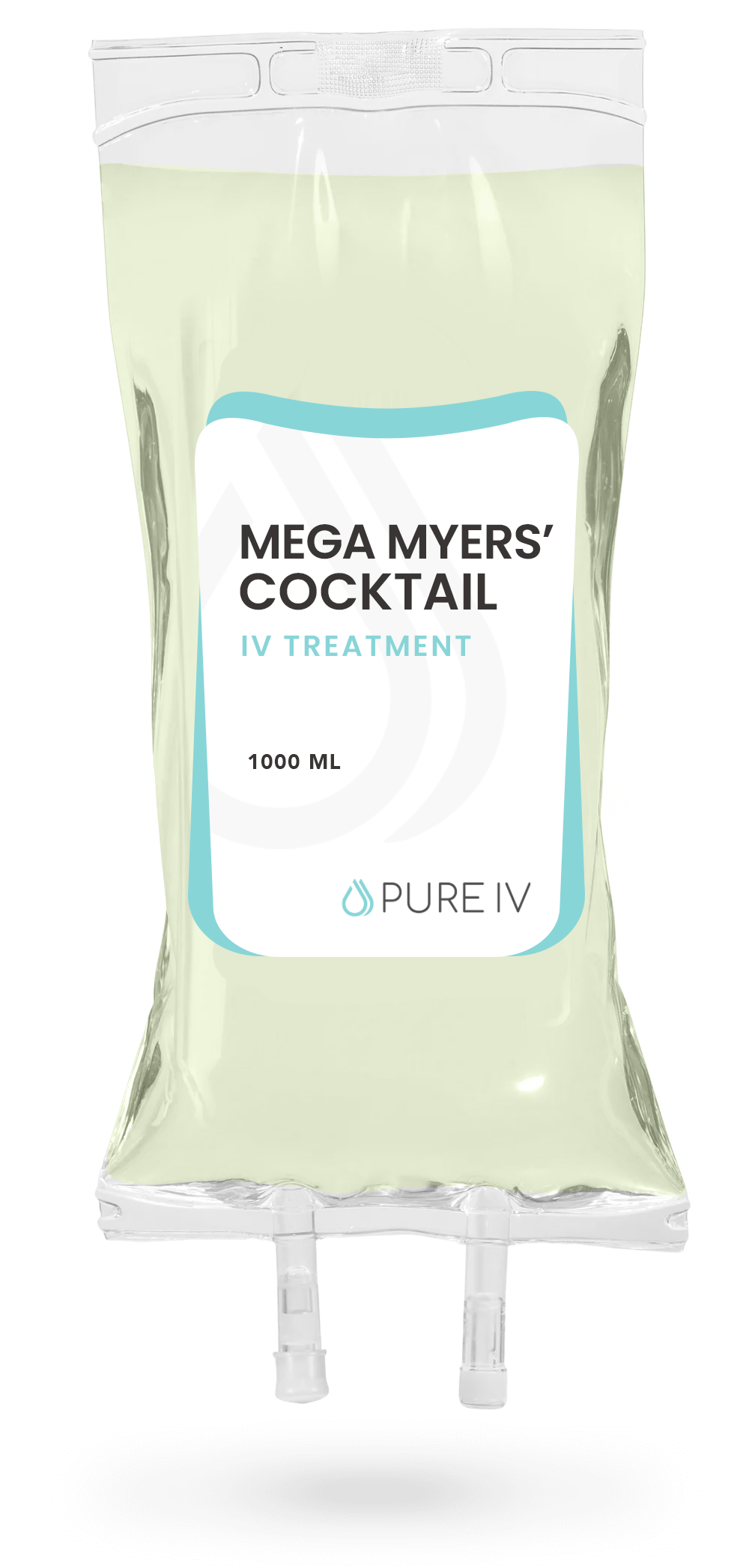
Mega Myers Cocktail IV
Hydration and maximum wellness support with higher doses of vitamins and micronutrients.
Antioxidant and cellular support, assist muscle and nerve function, immune boost, and energy metabolism.
Key Ingredients
- B vitamins
- Vitamin C
- Glutathione
- Zinc
- Magnesium