IV Therapy for Altitude Sickness
Medically reviewed by Allison Lane, MD, Medical Director & Co-Owner
You planned the perfect mountain trip. The skiing, the hiking, the views — everything was supposed to be incredible. Instead, you’re lying in your hotel room with a splitting headache, waves of nausea, and an exhaustion so heavy you can barely stand up. Welcome to altitude sickness.
★★★★★ Trusted by 50,000 satisfied patients
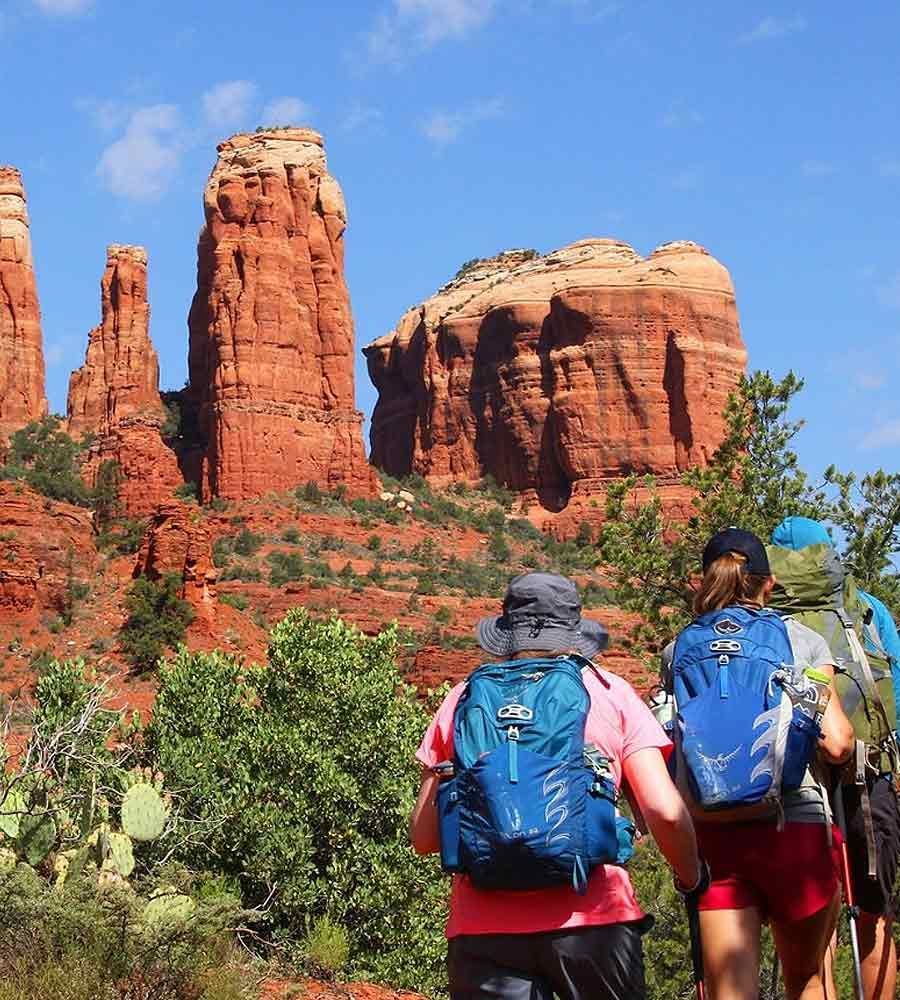
Altitude sickness — also called acute mountain sickness (AMS) — affects up to 25% of people who travel from sea level to elevations above 8,000 feet. It doesn’t matter how fit you are. It doesn’t matter how young you are. Your body either adjusts to the thin air quickly, or it doesn’t. And when it doesn’t, the symptoms can range from annoying to trip-ruining.
IV therapy can help. By delivering fluids, electrolytes, vitamins, and anti-nausea medication directly into your bloodstream, IV therapy addresses the core physical effects of altitude sickness — dehydration, electrolyte imbalance, and oxygen delivery challenges — faster than anything you can drink or swallow. And with Pure IV, a licensed medical professional brings the treatment directly to your hotel, condo, cabin, or Airbnb — so you don’t have to leave your bed.
What Is Altitude Sickness and Why Does It Happen?
To understand altitude sickness, you need to understand what changes when you go up in elevation
Less Oxygen Per Breath
At sea level, the air you breathe contains about 21% oxygen — and the atmospheric pressure pushes that oxygen efficiently into your lungs and bloodstream. As you gain altitude, the percentage of oxygen in the air stays the same (still 21%), but the atmospheric pressure drops. Lower pressure means fewer oxygen molecules in each breath. At 10,000 feet — roughly the elevation of many Colorado ski resorts — each breath delivers about 30% less oxygen to your body compared to sea level.
Your body notices this immediately. Your heart rate increases, your breathing speeds up, and your blood vessels in the brain dilate to try to compensate. These adjustments are your body’s attempt to acclimatize. For some people, the process happens smoothly over 24 to 48 hours. For others, it triggers the cascade of symptoms known as altitude sickness.
Accelerated Dehydration
Most people don’t realize how quickly they dehydrate at altitude. The air at higher elevations is significantly drier than at sea level — humidity levels in mountain environments can drop below 15%. Every breath you take pulls moisture out of your lungs. Your breathing rate increases at altitude (your body’s attempt to get more oxygen), which means you’re exhaling more moisture than normal. On top of that, the lower atmospheric pressure causes your kidneys to produce more urine. The combined effect is that you can lose twice as much fluid at 8,000 feet as you would at sea level doing the same activity.
Respiratory Alkalosis
When your breathing rate increases at altitude, you exhale more carbon dioxide than normal. This shifts your blood’s pH to become more alkaline — a condition called respiratory alkalosis. Your body tries to compensate by having the kidneys excrete bicarbonate, but this takes time (usually 24 to 48 hours). During this adjustment period, the pH imbalance can cause headaches, dizziness, tingling in the hands and feet, and that general “off” feeling that makes altitude sickness so miserable.
Brain Swelling (Vasogenic Edema)
When your body detects low oxygen levels, the blood vessels in your brain dilate to allow more blood flow. This is a normal compensatory mechanism, but it can cause mild swelling and increased pressure inside the skull. This is the primary cause of altitude headaches — the most common and often most debilitating symptom of AMS. In severe cases, this swelling can progress to a dangerous condition called high altitude cerebral edema (HACE), though this is rare and typically only occurs above 12,000 feet.
Signs and Symptoms of Altitude Sickness
Important: Severe altitude sickness can be life-threatening. High altitude cerebral edema (HACE) and high altitude pulmonary edema (HAPE) are medical emergencies. If you or someone you’re with shows severe symptoms, descend immediately and call 911. Mobile IV therapy is designed for mild altitude sickness only — not for emergency situations.
➤ Experiencing altitude sickness symptoms? See our Altitude Sickness IV
Mild to Moderate Symptoms (Acute Mountain Sickness)
- Headache — usually throbbing, worse in the morning, and doesn’t fully respond to ibuprofenNausea or loss of appetite
- Dizziness or lightheadedness
- Fatigue and weakness that feels disproportionate to your activity level
- Difficulty sleeping or waking up frequently during the night
- Shortness of breath during mild exertion
- Feeling generally “off” or foggy — some people describe it as feeling like a hangover
- Rapid heartbeat at rest
Severe Symptoms (Seek Emergency Care Immediately)
- Confusion, disorientation, or inability to walk straight
- Persistent vomiting
- Severe shortness of breath at rest
- Coughing up pink or frothy fluid
- Blue or gray tint to lips or fingernails
- Loss of consciousness
Who Gets Altitude Sickness?
Here’s the frustrating truth: there’s no reliable way to predict who will get altitude sickness. Fitness level, age, and gender don’t consistently predict susceptibility. Marathon runners get it. College athletes get it. Seasoned hikers who’ve done this trip a dozen times can suddenly get it for the first time.
That said, certain factors increase your risk:
- Rapid ascent — flying directly from sea level to a high-altitude destination (like flying from Miami to Denver, then driving to the mountains) is one of the most common triggers
- History of altitude sickness — if you’ve had it before, you’re more likely to get it again
- Alcohol consumption at altitude — alcohol is a diuretic that accelerates dehydration and impairs your body’s ability to acclimatize
- Dehydration — arriving at altitude already dehydrated dramatically increases your risk
- Sleep deprivation — poor sleep impairs your body’s ability to adapt
- High exertion too soon — hitting the slopes or the trails immediately after arriving gives your body no time to adjust
- Living at low elevation — people who live near sea level are significantly more susceptible than those who live at moderate elevations
Altitude Sickness in Pure IV’s Mountain Markets
| Destination | Base Elevation | Peak/Resort Elevation |
|---|---|---|
| Denver, CO | 5,280 ft | N/A (gateway city) |
| Breckenridge, CO | 9,600 ft | 12,998 ft |
| Vail, CO | 8,150 ft | 11,570 ft |
| Park City, UT | 7,000 ft | 10,026 ft |
| Salt Lake City, UT | 4,226 ft | 11,000 ft (nearby resorts) |
| Big Sky, MT | 7,500 ft | 11,166 ft |
| Bozeman, MT | 4,820 ft | Bridger Bowl: 8,800 ft |
| Boise, ID | 2,730 ft | Bogus Basin: 7,582 ft |
| Santa Fe, NM | 7,199 ft | Ski Santa Fe: 12,075 ft |
If you’re visiting any of these destinations from sea level — or even from a low-elevation city like Phoenix (1,086 ft), Las Vegas (2,001 ft), Nashville (597 ft), or Houston (80 ft) — your body is making a massive adjustment. The higher the elevation gain and the faster you make it, the more likely you are to experience symptoms.
Why “Just Drink Water” Doesn’t Fix Altitude Sickness
Every travel blog and ski resort pamphlet tells you the same thing: “drink plenty of water.” And yes, staying hydrated helps. But drinking water alone has serious limitations when it comes to altitude sickness:
- Water doesn’t replace electrolytes. At altitude, you lose sodium, potassium, and magnesium through increased urination and respiration. Drinking plain water can actually dilute your remaining electrolytes, making symptoms worse.
- Oral absorption is slow. Water has to pass through your digestive system before your body can use it. That process takes 1 to 2 hours. When you’re already symptomatic, that’s too long.
- Nausea blocks oral intake. If altitude sickness has triggered nausea — one of the most common symptoms — you may not be able to keep water down.
- Water doesn’t address the headache, inflammation, or nausea. Drinking water hydrates, but it doesn’t deliver the vitamins, anti-inflammatory support, or anti-nausea medication your body needs to feel better.
This is exactly why IV therapy is so effective for altitude sickness. It bypasses the digestive system, delivers 100% absorption directly into your bloodstream, includes electrolytes and vitamins your body has depleted, and can include anti-nausea and anti-inflammatory medications in the same bag.
How IV Therapy Treats Altitude Sickness
IV therapy addresses the core physical problems causing your altitude sickness symptoms. Here’s what each component does:
IV Fluids (Lactated Ringer’s): Rapid, complete rehydration that bypasses your stomach. At altitude, your body is losing fluids at an accelerated rate. One liter of IV fluids restores hydration faster and more completely than drinking multiple bottles of water — and you don’t have to worry about nausea preventing absorption.
Electrolytes (Sodium, Chloride, Potassium, Calcium): Built into the Lactated Ringer’s solution, these electrolytes replace what your kidneys have been flushing out at altitude. Balanced electrolytes are critical for proper nerve function, muscle contraction, and fluid regulation — all of which are disrupted during altitude adjustment.
B Complex Vitamins: Your body burns through B vitamins faster at altitude because your metabolic rate increases. B vitamins support energy production, oxygen utilization, and red blood cell formation — all critical when your body is working harder to function with less oxygen.
Vitamin B12:
Supports red blood cell production, which is essential at altitude. Your body needs more red blood cells to carry the limited oxygen available. B12 helps your body meet that demand.
Magnesium: Altitude increases muscle tension, headaches, and sleep disruption — all of which magnesium helps address. Magnesium also supports cardiovascular function, which is working overtime at elevation.
Vitamin C: A powerful antioxidant that helps combat the oxidative stress that occurs when your body struggles with reduced oxygen levels. Research suggests that oxidative stress is elevated at high altitude and contributes to symptom severity.
Glutathione: Known as the body's "master antioxidant". Can help neutralize excess free radicals created when the body feels lower oxygen conditions. May also protect red blood cells to improve oxygen delivery.
Zinc: Supports immune function and helps reduce oxidative stress caused by low oxygen conditions.
Anti-Nausea Medication: Nausea is one of the most common and debilitating symptoms of altitude sickness. IV medication works within minutes — far faster than oral medications, which may not stay down if you’re vomiting.
Anti-Inflammatory Pain Medication: Addresses altitude headaches more quickly than over the counter pain medications. Delivered directly into the bloodstream for rapid relief.
Steroid Medication: A corticosteroid used to help reduce inflammation.
➤ Get altitude relief delivered to your door:
Recover faster with our IV therapy for Altitude Sickness.
Proactive IV Therapy: Get Ahead of Altitude Sickness Before It Starts
One of the smartest uses of IV therapy at altitude is proactive — getting an IV before symptoms hit. Here’s the strategy experienced travelers use:
Arrival Day IV: Book an IV for the day you arrive at altitude. You’ve just flown on a dehydrating airplane, you’re likely under-hydrated from travel, and your body is about to face a massive adjustment. Starting with a full liter of fluids, electrolytes, and vitamins gives your body a head start on acclimatization. Many of our patients in Park City, Denver, and Bozeman report significantly milder symptoms — or no symptoms at all — when they start their trip with an IV.
Pre-Activity IV: Getting an IV the morning before a big ski day, hike, or mountain bike ride ensures you’re fully hydrated and nutrient-loaded before you push your body at elevation. Dehydration plus exertion plus altitude is the recipe for a miserable day. An IV disrupts that equation.
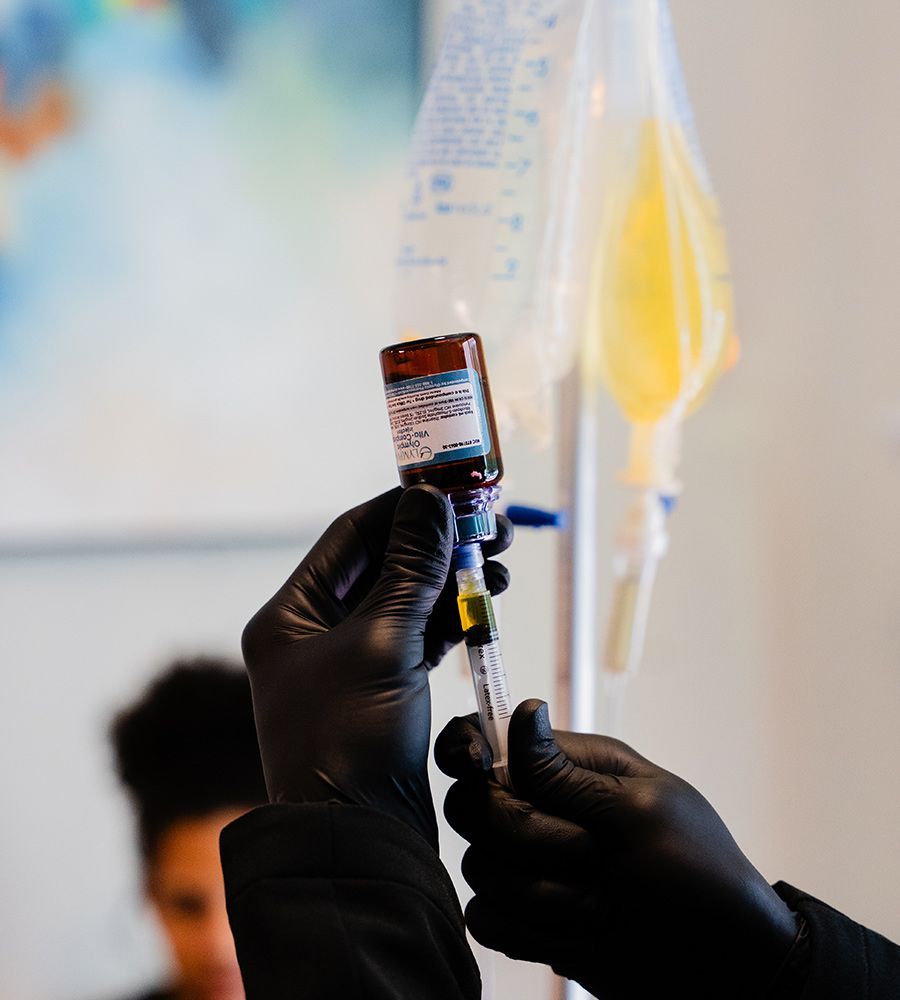
Recovery IV: If you’ve been at altitude for a day or two and symptoms are kicking in, a recovery IV can provide relief within 30 to 45 minutes. Many patients feel dramatically better before the IV bag is even finished.
Altitude Sickness in Pure IV’s Mountain Markets
| Symptom | Altitude Sickness | Hangover | Dehydration |
|---|---|---|---|
| Headache | Yes — throbbing, worse in AM | Yes | Yes |
| Nausea | Yes | Yes | Possible |
| Fatigue | Yes — even with rest | Yes | Yes |
| Shortness of breath | Yes — key differentiator | No | No |
| Sleep disruption | Yes — common | Yes | Uncommon |
| Onset | 6–24 hrs after elevation gain | Morning after drinking | Gradual |
| Improves by descending | Yes — key test | No | No |
The biggest differentiator: shortness of breath during mild exertion is almost always altitude-related, not hangover or dehydration. And if symptoms improve when you descend to a lower elevation, altitude sickness is almost certainly the cause.
Here’s the good news: IV therapy helps all three conditions. So even if you’re not sure whether you’re dealing with altitude sickness, a hangover, dehydration, or some combination, an IV addresses the overlapping causes.
What to Expect During an Altitude Sickness IV Session
Book from your phone or computer.
Tell us where you are — hotel, condo, cabin, Airbnb, trailhead base — and what symptoms you’re experiencing. Same-day appointments are available in most markets.
A licensed provider arrives at your location.
A Registered Nurse or Paramedic comes to you with everything needed. No driving down the mountain. No sitting in an urgent care waiting room.
Your Nurse Practitioner reviews and approves your treatment.
Before anything starts, a licensed NP reviews your health information in real time to ensure the treatment is safe and appropriate for your situation.
Relax for 30 to 45 minutes.
The IV is placed, and you can rest, watch TV, or just close your eyes while the fluids, electrolytes, and vitamins go to work.
Feel the difference.
Most patients report significant improvement by the end of the session. The headache eases, the nausea subsides, and the heavy fatigue lifts. Many people feel well enough to resume their trip activities within a few hours.
Why Choose Pure IV for Altitude Sickness Treatment?
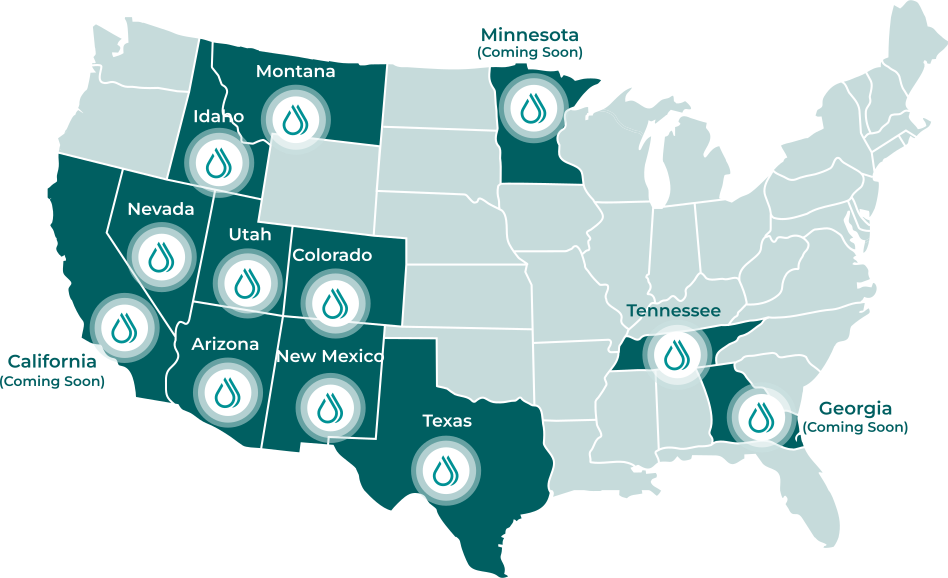
We’re Already in Your Mountain Town: Pure IV operates in Colorado, Utah, Montana, Idaho, and New Mexico — the states where altitude sickness is most common. We’re not a coastal company guessing about altitude. We treat altitude sickness every week in markets like Park City, Denver, Salt Lake City, Bozeman, and Santa Fe.
Real-Time NP Oversight: Every treatment is reviewed and approved in real time by a licensed Nurse Practitioner. When you’re dealing with altitude-related symptoms, knowing that a qualified medical professional has signed off on your treatment matters.
Licensed Providers Only: Every IV is administered by a licensed RN or Paramedic. No shortcuts.
Physician-Owned: Our protocols are set by physicians. Our medication sourcing meets the highest standards. This matters when anti-nausea and anti-inflammatory medications are involved.
No Hidden Fees: No travel charges — even to remote mountain locations within our service area. Transparent pricing. HSA/FSA eligible.
Same-Day Availability:
Altitude sickness doesn’t wait, and neither should you. Book online and we’ll be at your door, often within a few hours.
Frequently Asked Questions About IV Therapy for Altitude Sickness
Can IV therapy cure altitude sickness?
IV therapy can significantly reduce the symptoms of mild altitude sickness by rehydrating your body, restoring electrolytes, and delivering medications for headache and nausea. For many people, it provides enough relief to continue enjoying their trip. However, the definitive “cure” for altitude sickness is descending to a lower elevation. If your symptoms are severe or worsening, you should descend and seek emergency medical care.
Should I get an IV before or after I develop symptoms?
Both strategies work. Proactive IVs on arrival day can reduce the severity of symptoms or prevent them entirely by ensuring your body is fully hydrated and nutrient-loaded before the altitude adjustment begins. Reactive IVs after symptoms develop can provide rapid relief. Many of our repeat customers in mountain markets like Park City and Denver get an arrival-day IV as standard practice.
How fast will I feel better after an altitude sickness IV?
Most patients report noticeable improvement within 15 to 30 minutes, with significant relief by the end of the 30 to 45 minute session. Anti-nausea medication works within minutes. Headache relief and energy improvement typically follow as the hydration and vitamins take effect.
Can I get IV therapy at my ski resort hotel or condo?
Yes. We treat patients at hotels, condos, cabins, Airbnbs, vacation rentals, and private residences across our service areas. Just give us the address and we’ll come to you.
Does fitness level affect altitude sickness?
Not reliably. Highly fit individuals get altitude sickness at the same rates as less fit individuals. In fact, some very fit people are more susceptible because they tend to push hard at altitude before their bodies have adjusted. The primary risk factors are rate of ascent, elevation gained, hydration status, and individual physiology — not fitness level.
Can kids get altitude sickness IV therapy?
Yes. Pure IV offers pediatric IV therapy for children who meet our age and weight requirements. Altitude sickness affects children just as much as adults, and sometimes more so because they can’t always articulate their symptoms. Contact us for details about pediatric treatments.
Does insurance cover altitude sickness IV therapy?
Most insurance plans do not cover mobile IV therapy. However, Pure IV services are HSA and FSA eligible. We provide receipts for reimbursement.
Don’t Let Altitude Ruin Your Mountain Trip
You came here for the views, the powder, the trails, the adventure. Not to spend half your trip in bed with a headache and nausea. Whether you’re visiting Park City for Sundance, skiing Breckenridge, hiking in Big Sky, mountain biking outside Boise, or exploring Santa Fe — altitude sickness doesn’t have to be part of the deal.
Pure IV delivers altitude sickness relief directly to your door across Colorado, Utah, Montana, Idaho, New Mexico, and all of our markets. Same-day service. Licensed medical professionals. Real-time NP oversight. No hidden fees.
➤ Book your Altitude Sickness IV now — same-day service available: