NAC IV Therapy
N-acetylcysteine — usually just called NAC — is one of the most important molecules most people have never heard of. In emergency rooms, it’s the standard treatment for acetaminophen (Tylenol) overdose, where it saves lives by protecting the liver. In respiratory medicine, it’s used to break up thick mucus in conditions like COPD and cystic fibrosis. And in wellness medicine, it’s gaining attention as one of the most effective ways to support your body’s own glutathione production.
★★★★★ Trusted by 50,000 satisfied patients
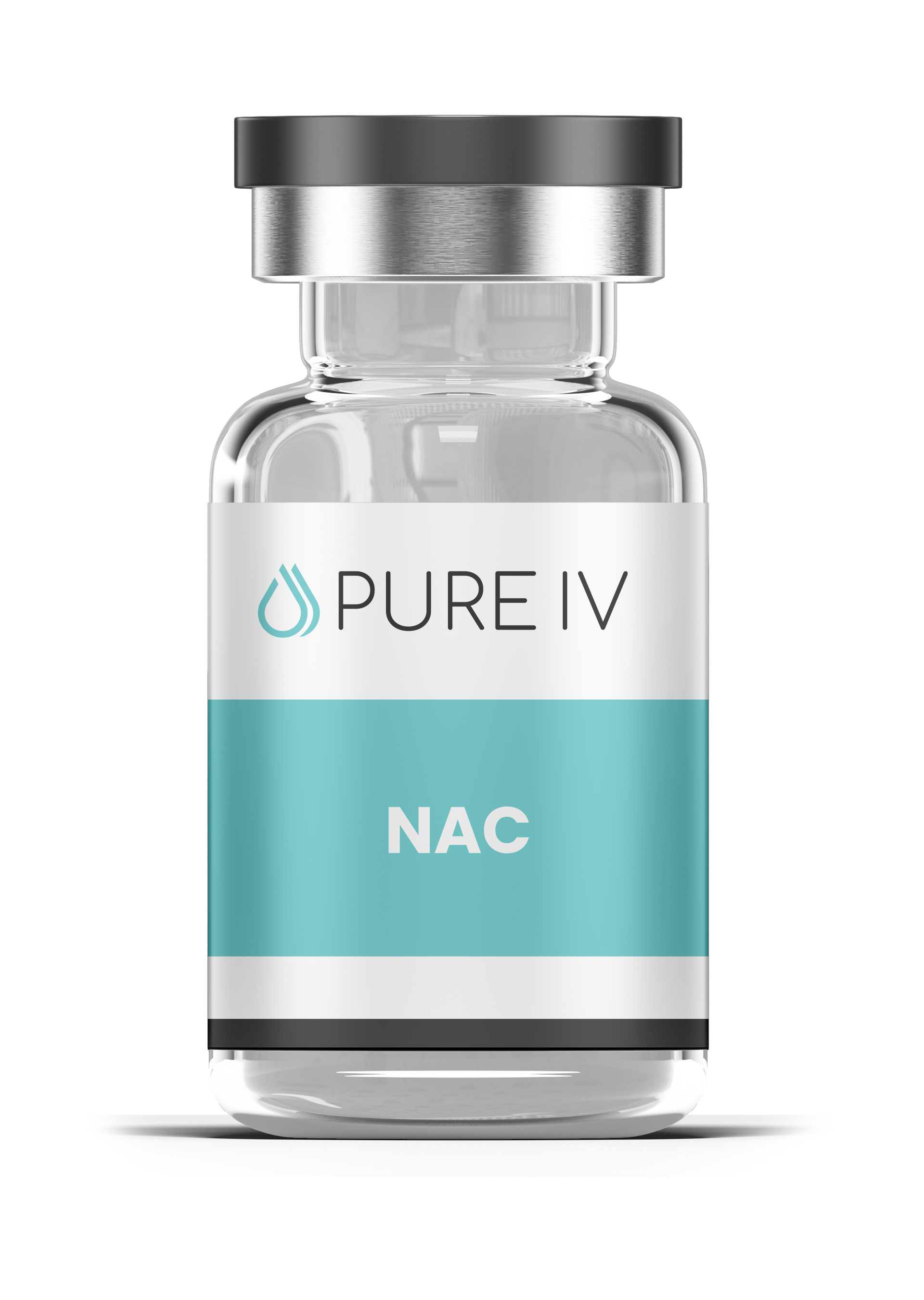
NAC is a modified form of the amino acid cysteine. Your body uses cysteine as the rate-limiting building block for glutathione — the master antioxidant that protects every cell in your body, detoxifies your liver, and powers your immune system. “Rate-limiting” means cysteine is the ingredient your body runs out of first when building glutathione. When cysteine supply drops, glutathione production stalls.
NAC is the most efficient way to deliver cysteine to your cells. Free cysteine is unstable and poorly absorbed. NAC adds an acetyl group that stabilizes the molecule, allowing it to survive transport and be converted to cysteine inside your cells where it’s needed.
How NAC Works — The Glutathione Connection
Understanding NAC requires understanding glutathione. Your body builds glutathione from three amino acids:
1. Glutamate — abundant in most diets. Rarely the bottleneck.
2. Glycine — available from collagen, bone broth, and many protein sources. Occasionally low.
3. Cysteine — this is the bottleneck. Cysteine is less common in food, unstable as a free amino acid, and the first to run out during glutathione production.
NAC solves the bottleneck. When you receive NAC intravenously, it enters your cells, gets converted to cysteine, and feeds directly into the glutathione synthesis pathway. More cysteine = more glutathione production.
This is fundamentally different from receiving
glutathione directly via IV:
| Approach | What It Does | Timeline | Best For |
|---|---|---|---|
| IV Glutathione | Delivers the finished antioxidant directly into your bloodstream. | Immediate benefit. Levels decline within hours as glutathione is consumed. | Acute need: detox, post-illness, pre/post alcohol, skin health. |
| IV NAC | Delivers the raw material your cells need to manufacture more glutathione. | Slower onset, but sustained production over days. Your body keeps making glutathione. | Ongoing support: liver health, lung health, chronic stress, long-term immune defense. |
| Both Together | Immediate glutathione boost PLUS sustained production capacity. | Best of both worlds. | Maximum antioxidant coverage. |
This is why informed wellness practitioners — including Pure IV — often include both NAC and glutathione in comprehensive protocols. They serve complementary roles, not redundant ones.
NAC’s Hospital Credentials
NAC isn’t a wellness trend that appeared on social media. It’s a pharmaceutical-grade molecule with decades of clinical use:
- Acetaminophen overdose (FDA-approved). NAC is the standard-of-care treatment for Tylenol overdose in every emergency room in America. Acetaminophen is metabolized in the liver, producing a toxic metabolite (NAPQI) that glutathione normally neutralizes. In overdose, glutathione stores are exhausted and NAPQI destroys liver cells. IV NAC floods the liver with cysteine, rapidly restoring glutathione production and preventing liver failure. It’s nearly 100% effective when administered within 8 hours of overdose.
- Mucolytic (FDA-approved). NAC breaks disulfide bonds in mucus proteins, thinning thick secretions in conditions like COPD, cystic fibrosis, and bronchitis. This is why NAC is included in some IV protocols during respiratory illness — it helps clear airways while simultaneously boosting immune function.
- Contrast-induced nephropathy prevention (off-label). NAC is commonly used before CT scans with contrast dye to protect kidney function, particularly in patients with existing kidney disease.
These established medical applications give NAC a credibility profile that most IV therapy ingredients simply don’t have. When your nurse adds NAC to your IV, you’re receiving the same molecule used in critical care medicine.
What NAC Does Beyond Glutathione
Liver Protection and Detoxification
Your liver is the primary detoxification organ in your body. It processes alcohol, medications, environmental toxins, metabolic waste, and hormones. Nearly all of these detoxification pathways require glutathione. NAC supports liver function both directly (as an antioxidant itself) and indirectly (by boosting glutathione production).
This is particularly relevant for people who regularly take acetaminophen-containing medications (Tylenol, NyQuil, Excedrin, many cold medicines), drink alcohol, or are exposed to environmental toxins.
Respiratory Health
NAC’s mucolytic properties extend beyond its pharmaceutical use. By thinning mucus and reducing inflammation in airway tissue, NAC may support respiratory comfort during seasonal allergies, wildfire smoke exposure, and upper respiratory infections. Its anti-inflammatory effects in lung tissue are mediated through glutathione-dependent pathways.
Brain Health and Mood
NAC modulates glutamate, the brain’s most abundant excitatory neurotransmitter. Excess glutamate activity is associated with anxiety, obsessive thinking, and addictive behaviors. NAC helps regulate glutamate levels by supporting glutamate transporters that remove excess glutamate from the synapse.
Emerging research has explored NAC in psychiatric conditions including depression, bipolar disorder, OCD, and substance use disorders. While this research is still evolving, the glutamate-regulatory mechanism is well-established and represents a genuine pharmacological effect, not a marketing claim.
Anti-Inflammatory Effects
NAC reduces inflammation through multiple mechanisms: direct antioxidant activity, glutathione-mediated neutralization of inflammatory free radicals, and modulation of NF-κB, a key inflammatory signaling pathway. Chronic low-grade inflammation is implicated in cardiovascular disease, metabolic syndrome, autoimmune conditions, and accelerated aging.
Who Benefits Most from NAC IV Therapy
- People who take acetaminophen regularly. Even at recommended doses, regular Tylenol use gradually consumes glutathione. NAC replenishes the supply.
- Regular alcohol drinkers. Alcohol metabolism produces acetaldehyde, a toxic compound your liver neutralizes using glutathione. NAC helps keep glutathione levels adequate for this ongoing demand.
- People with respiratory issues. Seasonal allergies, chronic sinusitis, post-nasal drip, or living in areas with poor air quality (wildfire smoke, pollution). NAC’s mucolytic and anti-inflammatory effects support respiratory comfort.
- Anyone focused on long-term antioxidant support. If you want sustained glutathione production rather than just a one-time boost, NAC is the strategic play.
- People under chronic stress. Sustained cortisol elevation increases oxidative stress, which consumes glutathione. NAC keeps the production pipeline running.

NAC vs. Glutathione — Which Should You Choose?
This isn’t an either/or question. They serve different roles:
Choose glutathione if: You want immediate antioxidant benefit right now — after illness, before or after drinking, for skin brightness, or acute detox support.
Choose NAC if: You want to support ongoing glutathione production, long-term liver protection, respiratory health, or sustained antioxidant capacity.
Choose both if: You want maximum coverage — immediate benefit plus sustained production. This is what our premium packages deliver.
Which Pure IV Packages Contain This Ingredient
| Package | Price | Best For |
|---|---|---|
| Anti-Inflammatory | $335 | NAC for inflammation reduction + glutathione support |
| Super Immune | $335 | NAC for immune defense + respiratory support |
| Megalodon | $405 | NAC + maximum vitamin/antioxidant formula |
| Jackpot | $405 | All-inclusive with NAC + glutathione |
| High Rollers | $600 | Maximum everything + NAD+ |
Safety and Considerations
NAC has been used safely in clinical settings for decades. At therapeutic IV doses, side effects are uncommon. The most frequently reported side effects in clinical literature are mild nausea and flushing, which are typically transient.
Important: NAC can interact with nitroglycerin (used for chest pain/heart conditions), potentially enhancing its blood pressure-lowering effects. Patients on blood thinners should also inform their provider. Our Nurse Practitioner reviews all medications and medical history before administering NAC.
NAC should not be taken with activated charcoal, as charcoal can bind NAC and reduce its effectiveness. This is only relevant in emergency medicine settings, not standard IV therapy.
FAQ's
Frequently Asked Questions
Is NAC the same as cysteine?
NAC is a modified form of cysteine with an acetyl group attached. This modification makes NAC more stable and more efficiently absorbed than free cysteine. Once inside your cells, NAC is converted to cysteine, which is then used to produce glutathione.
Can I take NAC as a pill instead of IV?
Oral NAC supplements are available and moderately effective. However, oral bioavailability is estimated at 6–10% due to extensive first-pass metabolism in the liver and gut. IV NAC delivers 100% of the dose directly to your bloodstream. For people with GI issues that further impair absorption, IV is particularly advantageous.
How is NAC different from glutathione IV?
Glutathione IV delivers the finished antioxidant for immediate use. NAC delivers the raw material your body needs to manufacture more glutathione over time. They serve complementary purposes — glutathione for acute benefit, NAC for sustained production.
Is NAC safe to take with other medications?
NAC is generally safe but can interact with nitroglycerin and may affect blood thinner activity. Always disclose all medications to your provider. Our NP reviews your complete medical history before treatment.
How often should I get NAC IV therapy?
For general antioxidant support, monthly NAC as part of a comprehensive IV package is common. For specific liver support or respiratory concerns, bi-weekly sessions for a period may be recommended. Your provider can suggest a schedule based on your goals.