Is IV Therapy Safe?
★★★★★ Trusted by 50,000 satisfied patients
Physician Owned
Licensed RNs & Paramedics Only
Real-Time NP Oversight
Transparent Pricing
Table of Contents
- Is IV Therapy Safe?
- IV Therapy Has Over 100 Years of Safe Medical Use
- Common Side Effects of IV Therapy
- Rare but Serious Risks You Should Know About
- Who Should NOT Get IV Therapy
- Is IV Therapy Safe During Pregnancy?
- Is IV Therapy Safe for Kids?
- What Makes an IV Therapy Provider Safe?
- How Pure IV Keeps Every Treatment Safe?
- Is IV Therapy FDA Approved?
- What Are People Saying About Pure IV?
- Frequently Asked Questions About IV Therapy Safety
- The Bottom Line on IV Therapy Safety
- Ready to Try IV Therapy?
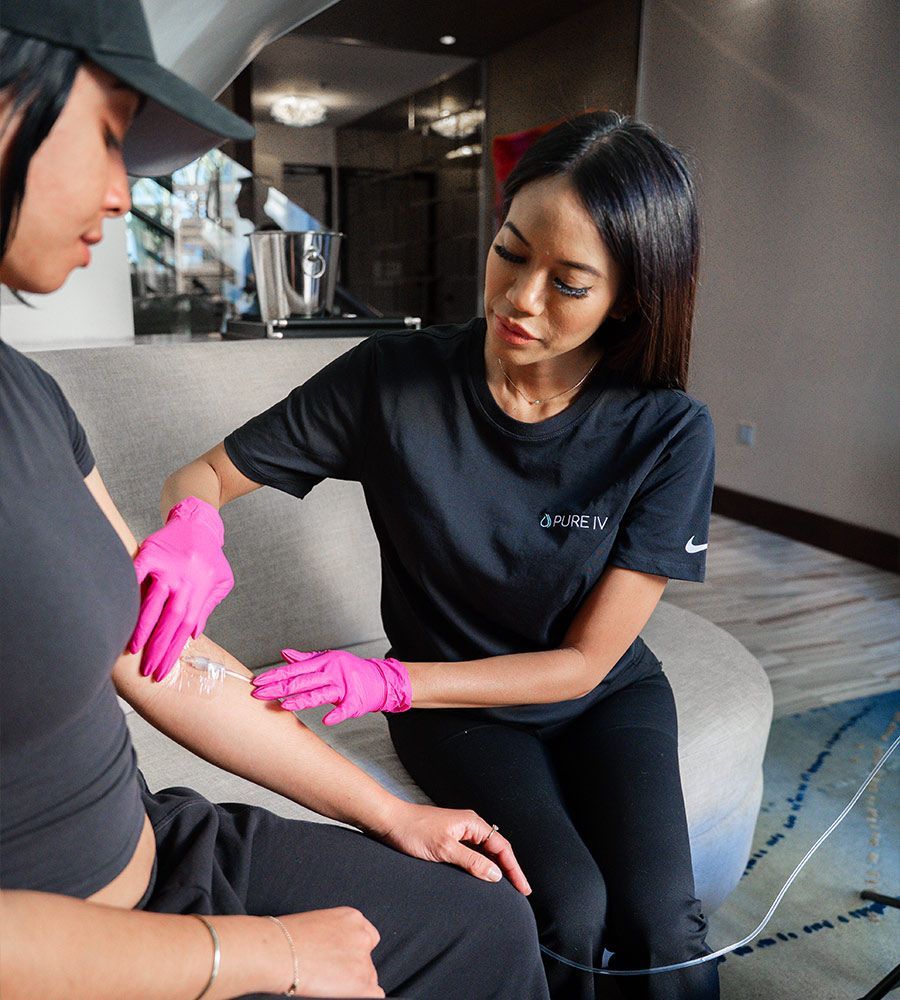
The short answer is yes. IV therapy is one of the safest and most common medical procedures in the world. Hospitals use it every single day to deliver fluids, medications, and nutrients to millions of patients. It has been a standard part of medicine for over 100 years.
But here is the honest truth: like any medical procedure, IV therapy is not completely risk-free. There are real side effects and real risks, and anyone who tells you otherwise is not being straight with you.
The good news is that the risks are small, and almost all of them can be prevented by choosing the right provider. The safety of your IV treatment comes down to three things: who is administering it, what ingredients are being used, and whether there is proper medical oversight.
In this guide, we are going to be completely transparent with you. We will explain exactly what the risks are, what side effects you might experience, who should avoid IV therapy, and what makes a safe IV provider different from an unsafe one.
IV Therapy Has Over 100 Years of Safe Medical Use
IV therapy is not a new trend. It is a well-established medical procedure with a long history of safe use.
The earliest attempts at intravenous treatment date back hundreds of years, but IV therapy became a standard part of medicine in the early 1900s. During both World Wars, IV fluids saved countless lives by treating battlefield dehydration, blood loss, and shock. Since then, IV therapy has become one of the most widely used procedures in every hospital, emergency room, and urgent care center in the world.
In the 1970s, a physician named Dr. John Myers developed the Myers' Cocktail, a blend of vitamins and minerals delivered by IV. He used this treatment for decades to help patients with fatigue, migraines, and other conditions. Dr. Alan Gaby, who continued Dr. Myers' work, documented over 15,000 IV treatments with no severe adverse reactions reported.
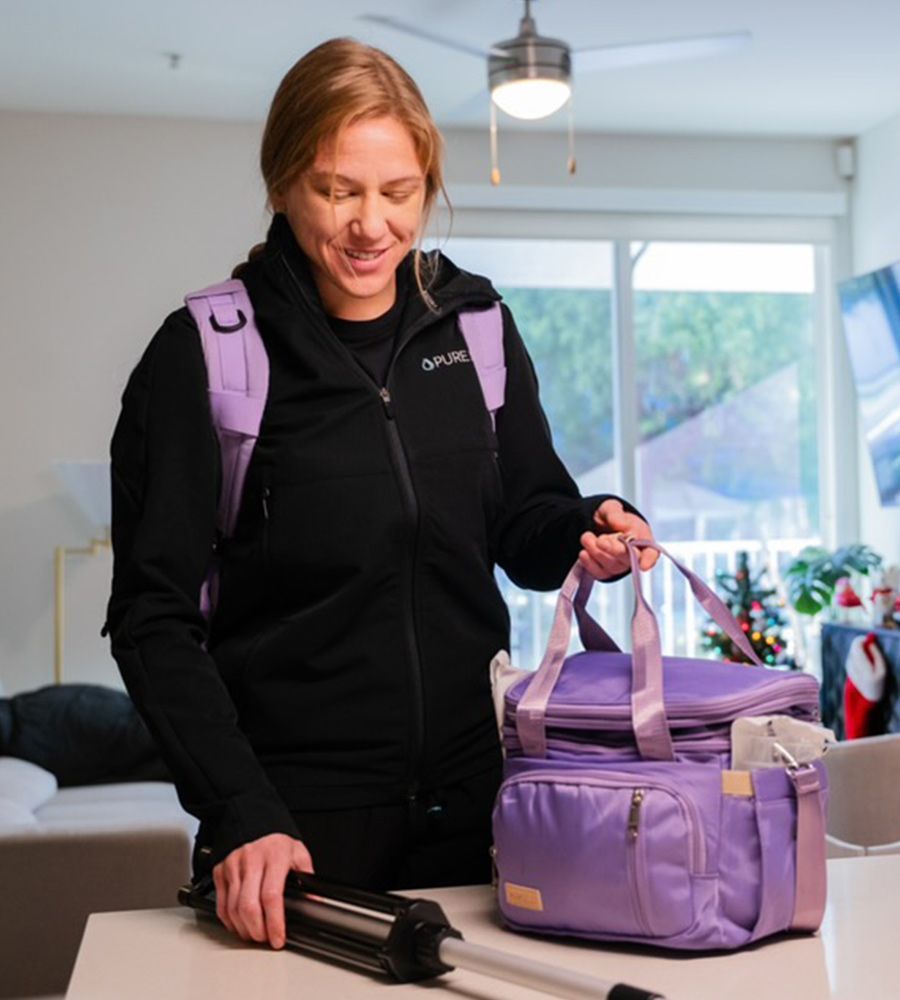
Today, wellness-focused IV therapy builds on this same medical foundation. The equipment, techniques, and safety protocols are the same ones used in hospitals. The difference is that mobile IV therapy brings the treatment to you instead of requiring a hospital visit.
Common Side Effects of IV Therapy
Most people complete their IV treatment with no side effects at all. But side effects can happen, and you should know what they are before your first appointment.
Minor Side Effects (Common, Not Dangerous)
Bruising at the IV Site
This is the most common side effect. A small bruise may appear where the needle was inserted, similar to what you might see after a blood draw. It is harmless and usually fades within a few days. Your provider will apply pressure after removing the IV to help prevent bruising.
Mild Soreness or Tenderness
Some people feel slight soreness around the IV insertion point for a day or two after treatment. This is normal and goes away on its own.
Cool Sensation in the Arm
Because IV fluids are often at room temperature, which is cooler than your body temperature, you may feel a cool or cold sensation traveling up your arm during the drip. This is completely normal and harmless. Some people actually find it refreshing.
Lightheadedness
A small number of people feel lightheaded during or immediately after their IV, especially if they have not eaten recently. This is why we recommend eating a light meal or snack before your appointment. If you feel dizzy, let your provider know and they will slow the drip rate.
Metallic Taste in the Mouth
Some people notice a brief metallic taste when certain vitamins, particularly magnesium or glutathione, enter the bloodstream. This is harmless and typically lasts only a few seconds.
Mild Flushing or Warmth
Certain nutrients like magnesium can cause a temporary warm or flushed feeling. This is a normal response and usually passes within a minute or two. Your provider will monitor you and can slow the drip if needed.
Less Common Side Effects
Swelling at the IV Site (Infiltration)
Occasionally, the IV catheter can shift slightly and allow fluid to leak into the tissue around the vein instead of into the vein itself. This causes minor swelling and puffiness near the insertion site. It is not dangerous, but your provider will stop the IV, remove it, and restart in a different vein if needed. Infiltration is one of the most common IV complications in all medical settings. Experienced providers minimize this risk through proper technique.
Vein Inflammation (Phlebitis)
In rare cases, the vein used for the IV may become slightly inflamed, causing redness, warmth, or tenderness along the vein. This is called phlebitis. It usually resolves on its own within a few days. Applying a warm compress can help. This is more common when the same vein is used repeatedly or when the drip rate is too fast.
Mild Nausea
If certain vitamins are infused too quickly, some people may feel mild nausea. This is easily managed by slowing the drip rate. Your provider will monitor you throughout the treatment and adjust the speed as needed.
Rare but Serious Risks You Should Know About
Serious complications from IV therapy are very rare, especially when treatments are administered by licensed professionals following proper protocols. However, because IV therapy involves placing a needle into a vein, there are inherent medical risks that you should understand.
Infection
Any time a needle breaks the skin, there is a small risk of introducing bacteria. In very rare cases, this can lead to a localized skin infection at the insertion site. In extremely rare cases, bacteria can enter the bloodstream. The risk of infection is almost entirely eliminated through proper sterile technique, which includes hand hygiene, wearing gloves, using single-use sealed equipment, and cleaning the skin with antiseptic before insertion. At Pure IV, every treatment uses sterile, single-use equipment that is opened in front of you.
Allergic Reaction
While uncommon, some people may have an allergic reaction to an ingredient in the IV bag. Symptoms could include hives, itching, rash, or in very rare cases, a more serious reaction called anaphylaxis. This is why your provider conducts a health screening before every treatment, asking about known allergies and reviewing your medical history. Pure IV providers carry emergency supplies and are trained to recognize and respond to allergic reactions immediately.
Fluid Overload
If too much IV fluid is given too quickly, it can overwhelm the body's ability to process it. This is especially a concern for people with existing heart or kidney conditions. Symptoms include headache, shortness of breath, or swelling. This risk is managed by controlling the drip rate, screening patients for heart and kidney conditions before treatment, and having a medical provider present to monitor the infusion. At Pure IV, a Nurse Practitioner reviews every patient's health information in real time before treatment begins.
Air Embolism
An air embolism occurs when air accidentally enters the IV line and travels into the vein. This is extremely rare and is primarily a concern with pressurized IV equipment, not the gravity-drip systems used in mobile IV therapy. Trained providers bleed the air from IV lines before connecting them to the patient. At Pure IV, our licensed RNs and paramedics follow hospital-grade procedures to prevent air in the IV line.
Vitamin Toxicity (Overdose)
Because IV therapy delivers nutrients directly into the bloodstream at higher concentrations than oral supplements, there is a theoretical risk of receiving too much of a particular vitamin or mineral. For example, excessive potassium can affect heart rhythm, and high doses of certain nutrients may stress the kidneys. This risk is managed by using pre-formulated, physician-approved dosages and by screening patients for existing conditions that could affect how their body processes these nutrients. Pure IV's treatments are formulated by physicians using safe, evidence-based dosages.

Is IV Therapy Safe During Pregnancy?
IV therapy can be safe during pregnancy when administered by qualified medical professionals who are aware of your pregnancy. In fact, IV therapy is commonly used in hospitals to treat pregnant women experiencing severe morning sickness, dehydration, and hyperemesis gravidarum (extreme nausea and vomiting during pregnancy).
However, not all IV ingredients are appropriate during pregnancy. Certain medications and high doses of specific nutrients should be avoided. This is why it is critical that your provider knows you are pregnant before starting any treatment.
At Pure IV, our Nurse Practitioner reviews every treatment for pregnant patients to ensure the IV package and all ingredients are safe for both mother and baby. We will customize your treatment to include only pregnancy-safe ingredients.
If you are pregnant and considering IV therapy for morning sickness or dehydration, always let your provider know at the time of booking and mention it again when your nurse arrives.
Is IV Therapy Safe for Kids?
Yes, IV therapy is safe for children when administered by licensed medical professionals using age-appropriate dosages. Hospitals give children IVs every day for dehydration, illness, and surgery recovery.
At Pure IV, we offer Kids IV Therapy for children ages 10 and older. Treatments use child-appropriate fluid volumes and nutrient dosages. Every Kids IV is overseen by a Nurse Practitioner and administered by a licensed RN or paramedic experienced in working with younger patients.
Children can benefit from IV therapy when they are dehydrated from illness, sports, or heat exposure, especially in Arizona and other hot climates where kids are at higher risk. IV therapy can also help children recover faster from stomach bugs or flu when they cannot keep food or water down.
For children under 10, we recommend visiting a pediatrician or urgent care for IV fluids if needed.

What Makes an IV Therapy Provider Safe?
The biggest factor in IV therapy safety is not the IV itself. It is the person giving it to you and the medical systems behind them.
Not all IV therapy companies are created equal. The industry is growing fast, and unfortunately, not every provider follows the same safety standards. Here is what to look for when choosing an IV therapy provider, and the red flags to watch out for.
Signs of a Safe IV Provider
- Licensed medical professionals only.
Your IV should be administered by a registered nurse (RN), licensed paramedic, or other licensed medical provider. Never accept treatment from an unlicensed technician.
- Real-time medical oversight.
A physician, Nurse Practitioner, or Physician Assistant should review and approve your treatment. Some companies claim to have a medical director but do not actually have a provider reviewing each individual patient.
- Pre-treatment health screening.
A safe provider will ask about your medical history, current medications, allergies, and vital signs before starting your IV. If a company lets you book and receive an IV with zero health questions, that is a red flag.
- Sterile, single-use equipment opened in front of you. All IV supplies should be sealed and opened fresh for each patient. You should see your provider open every item from its sterile packaging.
- Transparent ingredient lists and pricing.
A safe provider will tell you exactly what is in your IV bag and how much it costs before you agree to treatment. No hidden ingredients, no surprise charges.
- Provider stays with you during the entire treatment. Your nurse or paramedic should remain with you from start to finish, monitoring the IV and watching for any reactions.
Red Flags to Watch Out For
- Unlicensed staff administering IVs.
If the person placing your IV is not a licensed nurse, paramedic, or other qualified medical professional, walk away.
- No health screening or medical questions. If a company is willing to give you an IV without asking about your health history, they are cutting corners on safety.
- No medical director or provider oversight listed.
A legitimate IV therapy company should be transparent about who provides medical oversight. If you cannot find this information on their website, ask.
- Vague or undisclosed ingredients. If a company will not tell you exactly what is in the IV bag, do not receive the treatment.
- Reused equipment or items not opened in front of you.
All IV supplies must be single-use. If you see items that appear pre-opened or reused, that is a serious safety concern.
- Extremely low prices with no explanation. While IV therapy does not need to be outrageously expensive, extremely low prices may mean the company is cutting corners on ingredient quality, staff licensing, or medical oversight.
How Pure IV Keeps Every Treatment Safe
At Pure IV, safety is not a marketing talking point. It is the foundation of everything we do. Here is exactly how we protect every patient during every treatment.
Physician-Owned Company:
Pure IV is owned and operated by physicians. Our IV protocols, ingredient formulations, and safety procedures are designed by doctors who understand the medical science behind IV therapy. This is not a franchise run by investors. It is a medical practice built by medical professionals.
Real-Time Nurse Practitioner Oversight
Before your IV begins, a Nurse Practitioner reviews your health information, medical history, and treatment selection. The NP must approve your treatment in real time before the nurse starts your IV.
Licensed RNs and Paramedics Only
Every Pure IV treatment is administered by a licensed registered nurse or licensed paramedic. We do not use medical assistants, unlicensed technicians, or anyone without proper medical credentials to administer IVs. Period.
Pre-Treatment Health Screening
Before every appointment, your provider reviews your symptoms, medical history, current medications, allergies, and vital signs. If anything indicates that IV therapy may not be appropriate for you, we will tell you.
Your Provider Stays with You the Entire Time
Your nurse or paramedic does not start your IV and leave. They remain with you throughout the entire infusion, monitoring the drip, watching for any reactions, and answering your questions.
Transparent Pricing with No Hidden Fees
The price you see is the price you pay. No trip charges, no surprise add-ons, no hidden medical review fees. We believe transparency is part of safety because you should never feel pressured or confused about what you are paying for.
Is IV Therapy FDA Approved?
This is one of the most common questions people ask, and the answer requires some nuance.
IV therapy as a medical delivery method is absolutely FDA recognized and has been used in regulated medical settings for over a century. The IV equipment, saline solutions, and medications used in IV therapy are FDA-regulated products.
However, the specific wellness-focused vitamin blends offered by IV therapy companies, such as the Myers' Cocktail or custom vitamin drips, are not individually FDA approved as treatments for specific conditions. This means that while the ingredients themselves are FDA-regulated and pharmaceutical grade, the specific combinations marketed for wellness purposes have not gone through the FDA's drug approval process.
This is similar to how a doctor can legally prescribe FDA-approved medications for off-label uses. The ingredients in your IV are pharmaceutical-grade, legal, and safe when properly dosed and administered. But the wellness claims around specific IV cocktails are not FDA-evaluated.
At Pure IV, we are transparent about this. We use pharmaceutical-grade ingredients sourced from licensed pharmacies. Our protocols are designed by physicians. And we never make claims that IV therapy can diagnose, treat, cure, or prevent any disease.
FAQ's
Frequently Asked Questions About IV Therapy Safety
Does getting an IV hurt?
Most people feel a quick pinch when the needle is inserted, similar to a blood draw. Once the IV catheter is in place, you should not feel pain. Some people notice a cool sensation as the fluids flow in, but this is normal and not uncomfortable.
Can I have a bad reaction to IV therapy?
Allergic reactions are uncommon but possible. This is why your provider asks about allergies and reviews your medical history before every treatment. If you have ever had a reaction to any vitamin, mineral, or medication, tell your provider before the IV begins. Pure IV providers are trained to recognize and respond to reactions immediately.
What happens if the IV is placed incorrectly?
If the IV catheter slips out of the vein, fluid may leak into the surrounding tissue. This is called infiltration and causes minor swelling. It is not dangerous. Your provider will simply stop the IV, remove it, and restart in a different vein. Experienced nurses and paramedics minimize this risk through proper technique and vein assessment.
How do I know if my IV provider is qualified?
Ask directly. A safe provider will be transparent about their staff credentials (RN, LPN, paramedic), their medical director, and their oversight process. At Pure IV, every provider is a licensed RN or licensed paramedic, and every treatment is overseen by a Nurse Practitioner in real time.
Can you get too much IV therapy?
Like anything, moderation matters. Getting IV therapy too frequently could theoretically lead to electrolyte imbalances or fluid overload, especially in people with underlying health conditions. For most healthy adults, treatments once or twice a month for general wellness are well tolerated. Your provider can help you determine the right frequency based on your health and goals.
Is mobile IV therapy as safe as going to a clinic?
Yes, when the mobile provider follows proper medical protocols. The treatment itself is identical. The difference is location. At Pure IV, our mobile providers carry the same sterile, single-use equipment and follow the same clinical procedures as any hospital or infusion center. Every appointment includes real-time NP oversight regardless of where the treatment takes place.
Is IV therapy safe for elderly patients?
IV therapy can be safe for elderly patients, but extra caution is needed. Older adults may have heart or kidney conditions that affect how their body processes fluids. A thorough health screening is essential. At Pure IV, our Nurse Practitioner reviews every patient's health profile, including age-related risk factors, before approving treatment.
What should I do if I feel sick during or after my IV?
Tell your provider immediately. They can slow the drip, adjust the treatment, or stop the IV entirely. Your Pure IV nurse stays with you throughout the entire treatment specifically to monitor for any issues. If you experience symptoms after your appointment, contact us right away and we will advise you on next steps.
Are the vitamins in IV therapy regulated?
The individual vitamins, minerals, and medications used in IV therapy are pharmaceutical-grade products sourced from licensed pharmacies and compounding facilities. These ingredients are subject to FDA regulation. Pure IV does not use discount supplements, unregulated products, or ingredients from unverified sources.
Is IV therapy safe if I am taking prescription medications?
In most cases, yes. However, some IV ingredients may interact with certain medications. This is why we ask about all current medications during your health screening. Our Nurse Practitioner reviews potential interactions before approving your treatment. If there is a concern, we will adjust your IV ingredients or recommend you consult your prescribing doctor first.
The Bottom Line on IV Therapy Safety
IV therapy is a safe, well-established medical procedure when it is done right. That means licensed professionals, proper medical oversight, sterile equipment, pharmaceutical-grade ingredients, and an honest pre-treatment health screening.
The risks are real but small. The most common side effects are minor bruising and a brief cool sensation. Serious complications are extremely rare, especially with qualified providers.
The biggest risk in IV therapy is not the IV itself. It is choosing a provider that cuts corners on safety. At Pure IV, we have built our entire company around doing this the right way: physician-owned, NP-supervised, licensed providers only, and complete transparency with every patient.
If you have more questions about whether IV therapy is right for you, we are happy to answer them. And if IV therapy is not the right choice for your situation, we will tell you that too.
Ready to Try IV Therapy?
Now you know what IV therapy is, how it works, and why millions of people use it to feel their best. Whether you need fast hydration, hangover relief, immune support, or just want more energy and focus, Pure IV brings safe, physician-quality IV therapy directly to you.
Every Pure IV treatment is administered by a licensed RN or paramedic, overseen in real time by a Nurse Practitioner, and backed by transparent pricing with no hidden fees. That is our promise.
✓ Licensed nurses and paramedics ✓ Same-day appointments available
✓
No travel required
✓
Hospital-grade treatments