How to Cure a Hangover Fast: The Real Recovery Guide
How to Cure a Hangover Fast: What Actually Works (and What Doesn't)
Joseph Lopez, CEO of Pure IV | Updated May 2026
Medically reviewed by Micaela Strevay, FNP-C, PMHNP-BC
Quick answer: There is no instant hangover cure. The NIAAA puts it plainly: "There is no cure for a hangover other than time." But you can cut that time down dramatically. A hangover that would last 24 hours can often be cut to under one with the right steps. Start with electrolytes and bland food. Take ibuprofen if your stomach can handle it. Rest. If you are not improving in 45 minutes, that is when IV therapy becomes the fastest option available.
This guide is for general health information. It is not a substitute for medical advice. If someone is having seizures, cannot be woken up, or has blue or gray skin, call 911 immediately.
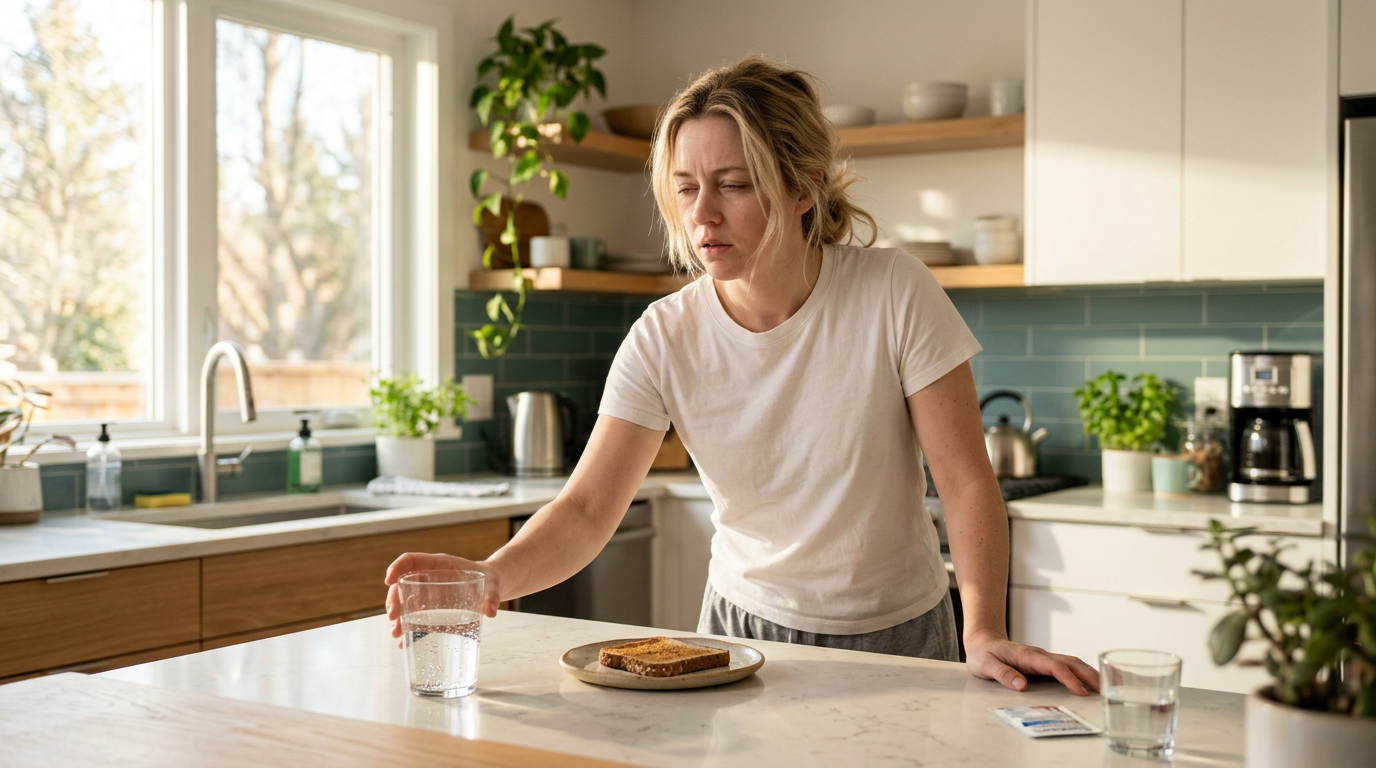
It is 8 a.m. The light feels too bright. Your mouth tastes like carpet. You remember about two-thirds of last night, and you are not sure that is a good thing.
You want to know how to cure a hangover fast. Here is the honest answer: you cannot erase it. But you can move through it much faster than your body would on its own. That is what this guide is for.
The Hard Truth: There Is No Instant Cure
According to the NIAAA, hangover symptoms peak when your blood alcohol concentration (BAC) returns to zero. That usually happens 6 to 8 hours after your last drink, which is why you feel the worst in the morning. From there, symptoms can last 8 to 24 hours, or longer, depending on how much you drank and your individual metabolism ( Cleveland Clinic).
The reason there is no quick fix is that a hangover is not one problem. It is four problems happening at the same time.
What a Hangover Actually Is
Your body is dealing with all of this at once:
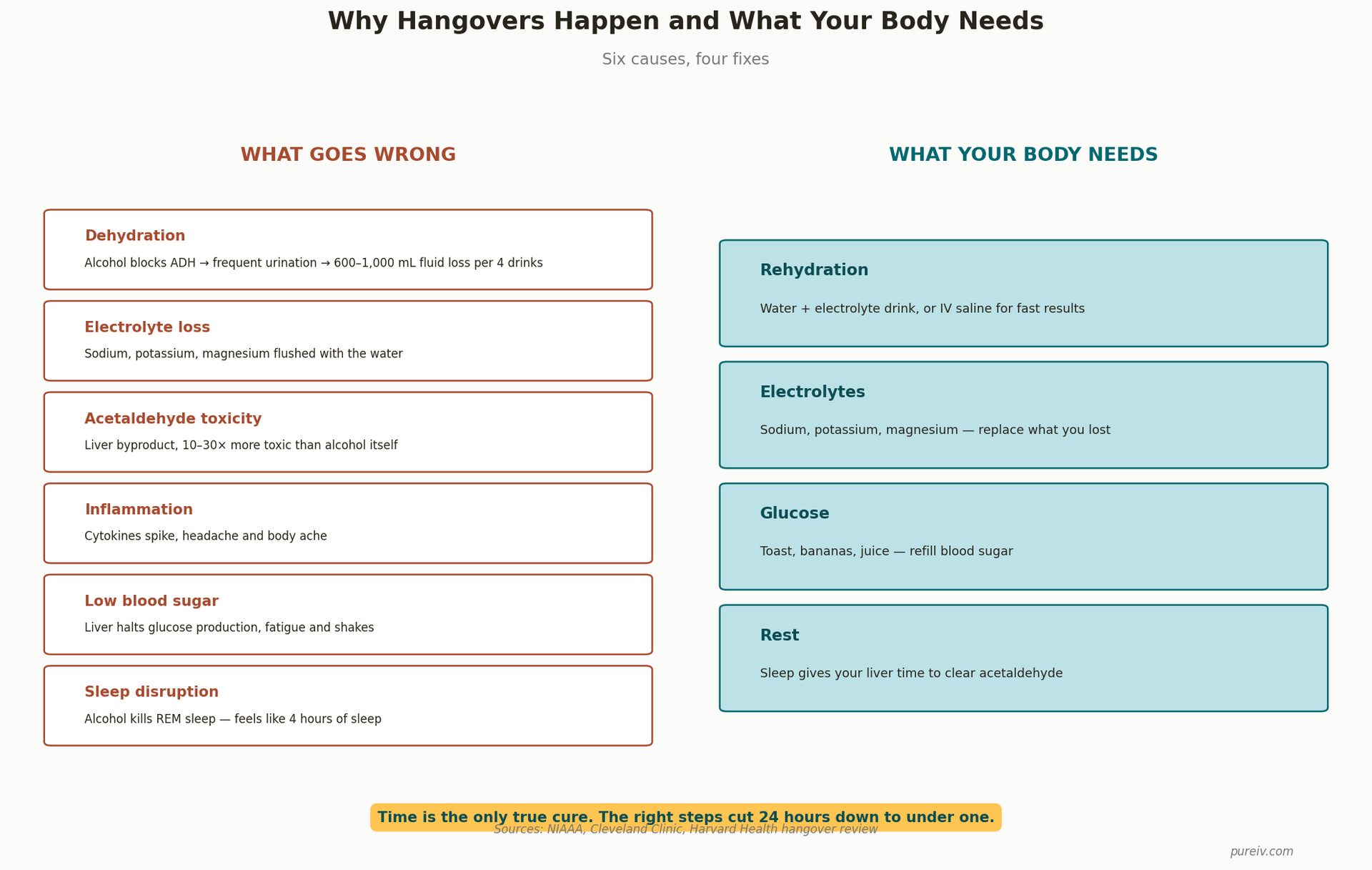
Dehydration. Alcohol blocks a hormone called vasopressin, which tells your kidneys to hold onto fluid. Without it, your kidneys dump water at a much faster rate ( NIAAA). For every four drinks or so, your body loses an extra 600 to 1,000 mL of fluid. That loss drives your headache, dry mouth, and fatigue.
Electrolyte loss. All that extra urine carries sodium, potassium, and magnesium out with it. Those minerals are what your muscles and brain need to function.
Acetaldehyde buildup. When your liver breaks down alcohol, it creates a byproduct called acetaldehyde. This chemical is 10 to 30 times more toxic than alcohol itself. Your liver converts it to something harmless, but when you drink too much, it can't keep up. The leftover acetaldehyde triggers nausea, sweating, and that awful racing heartbeat ( NIAAA).
Inflammation. Acetaldehyde also signals your immune system to release chemicals called cytokines, the same ones your body releases when you are sick with a cold or flu. That is why a hangover can feel like an illness: body aches, chills, fatigue, and brain fog ( Journal of Clinical Medicine via PMC).
Low blood sugar. Your liver is so busy processing alcohol that it neglects its other job: keeping blood sugar steady. The drop causes shakiness, weakness, and irritability ( Cleveland Clinic).
Wrecked sleep. Alcohol makes you fall asleep fast but blocks REM sleep and causes sleep fragmentation. You can sleep eight hours and still wake up exhausted ( Cleveland Clinic).
The 30-Minute Hangover Protocol
This is what you do right now. Not tomorrow, not after coffee. Right now.
Step 1: Drink (the right thing, the right way)
Start with an electrolyte drink, not plain water. Plain water rehydrates, but it does not replace the sodium, potassium, and magnesium you lost overnight. Pedialyte, Liquid IV, Nuun tablets, or even a sports drink will work. Drink slowly. If your stomach is upset, small sips work better than gulping.
The Cleveland Clinic uses a simple benchmark: keep drinking until your urine runs clear. That is your signal that you are rehydrated.
Avoid juice and sugary drinks right now. They can spike your blood sugar and make nausea worse.
Step 2: Eat (the right foods)
Your blood sugar dropped overnight. You need to bring it back up with something bland and easy to digest.
Good choices:
- Toast or plain crackers
- A banana (carbs plus potassium)
- Eggs (they contain cysteine, an amino acid that helps your liver break down acetaldehyde)
- Broth or soup (replaces sodium and potassium)
Eat something small even if you are not hungry. Low blood sugar makes every other symptom feel worse.
Step 3: Take (smart OTC options)
If your head is pounding and your stomach can tolerate it, ibuprofen (Advil, Motrin) is the right call. It targets inflammation, which is one of the core mechanisms driving your headache and body aches.
Do not take acetaminophen (Tylenol). Alcohol and acetaminophen put stress on the same liver pathways. Taking Tylenol while your liver is still processing alcohol can cause serious liver damage, even at normal doses ( Cleveland Clinic).
If nausea is your main problem right now, check out our full guide on getting rid of hangover nausea fast for step-by-step relief options.
Step 4: Rest (what to avoid doing)
Rest is not the same as lying in bed scrolling your phone. Screens keep your brain engaged. A dark, quiet room with your phone face-down is better.
Skip the shower, the gym, and the morning jog. Sweating does not speed up alcohol clearance. More on that in the myths section.
The 1-Hour Escalation (If You Are Not Improving)
You did the first 30 minutes right. You drank electrolytes, ate a little toast, took ibuprofen. But 45 minutes later, you still can't lift your head off the pillow. Your nausea hasn't let up. You can't hold water down.
This is the point where home remedies stop being enough.
Still feeling rough after 45 minutes? If you cannot keep fluids down, oral remedies are not going to work. That is exactly what IV therapy is designed for.
When to Level Up to IV Therapy
Oral rehydration works well for mild to moderate hangovers. But it has a ceiling. According to Pure IV's hangover IV page , oral rehydration only absorbs at about 50 to 60 percent efficiency. One liter of water you drink takes one to two hours to reach your bloodstream and your gut absorbs only about half of it.
IV fluids deliver 100 percent of that fluid directly into your bloodstream in minutes.
The IV also carries things that oral remedies cannot deliver quickly:
- Hospital-grade anti-nausea medication that works within 15 minutes of the infusion starting (oral anti-nausea pills take 30 to 60 minutes and cannot be kept down when you are vomiting)
- Prescription-strength anti-inflammatory pain relief (Toradol, which is two to three times faster than oral ibuprofen)
- B Complex and B12 vitamins , which are involved in how your body clears acetaldehyde
- Glutathione , an antioxidant that directly supports acetaldehyde clearance
- Electrolytes already dissolved in the IV fluid
Most Pure IV patients feel 70 to 80 percent better by the time the bag finishes, which is about 30 to 45 minutes.
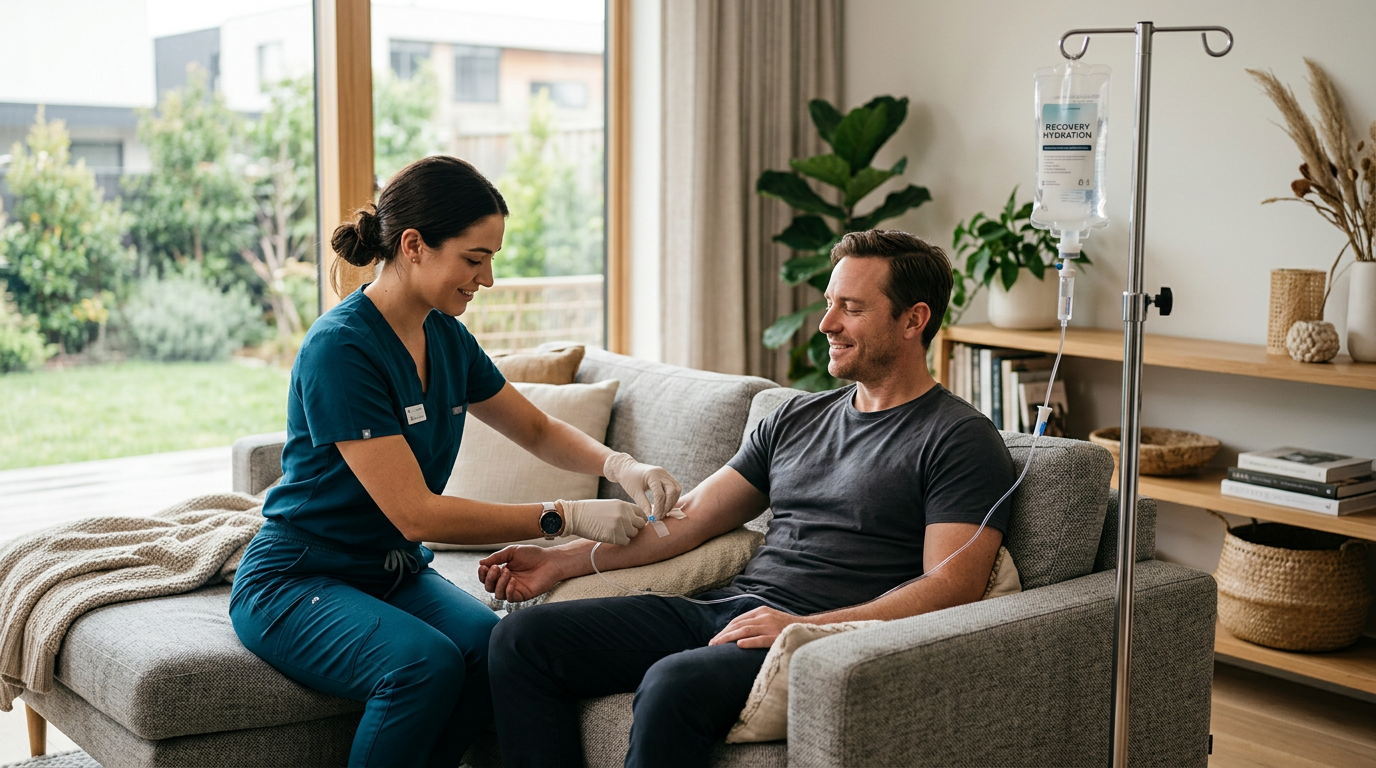
You do not have to drive anywhere or sit in a waiting room. Pure IV comes to you, whether you are in a hotel room in Las Vegas after a night on the Strip, recovering in your Scottsdale Airbnb after Old Town bar crawls, or at home in Nashville after a late night on Broadway. A licensed Nurse Practitioner approves every treatment. A licensed RN or paramedic administers it. HSA/FSA eligible.
Hangover Myths: What Doesn't Work (and Why)
Hair of the Dog
Drinking more alcohol is not a cure. The NIAAA acknowledges that it "may temporarily minimize some symptoms" by keeping you slightly buzzed, but it does not fix the underlying problems. Your body still has to process all of it, and when the alcohol clears again, your hangover comes back, usually worse.
Harvard Health puts it directly: hair of the dog "just perpetuates a cycle. It doesn't allow you to recover" ( Harvard Health).
Coffee
Coffee might make you feel more alert for an hour, but it is a diuretic. That means it pulls more fluid from your body when you are already dehydrated. Harvard Health confirms that caffeine has "no special anti-hangover powers." If you need coffee to function, drink a glass of water first.
Greasy Food
Greasy food before you drink can slow alcohol absorption and reduce how drunk you get. But greasy food after you are already hungover does nothing for your recovery. Your stomach lining is already irritated. Heavy, fatty food makes it work harder. Stick to bland carbs and broth.
Sweating It Out
Exercise does not speed up how fast your liver processes alcohol. Your liver works at a set rate regardless of what the rest of your body is doing. Sweating does push out a tiny amount of alcohol through your skin, but the amount is so small it does not matter. More importantly, exercise accelerates fluid loss when you are already dehydrated. Save the gym for tomorrow.
How IV Therapy Works for a Hangover
What Is in the Bag
A Pure IV hangover treatment includes:
- 1 liter of IV fluids (Lactated Ringer's solution or saline) for direct rehydration
- Anti-nausea medication (hospital-grade, delivered intravenously for rapid onset)
- Stomach acid reducer to calm GI irritation
- Toradol (Ketorolac) , a prescription-strength anti-inflammatory that works two to three times faster than oral ibuprofen
- B Complex + B12 vitamins to support acetaldehyde clearance and energy
- Glutathione to help your liver neutralize acetaldehyde directly
For severe hangovers, you can upgrade to a banana bag IV , which adds thiamine (B1), folic acid, magnesium, and a multivitamin. This is the option when you really overdid it. For more on what a banana bag contains and when it makes sense, see what goes in a banana bag.
If you drank heavily but are not actively nauseated, the Myers Cocktail is a solid vitamin-forward option with high-dose B vitamins, vitamin C, glutathione, zinc, and magnesium.
Mild hangover, mostly just dehydrated? The dehydration IV is the straightforward entry-level option.
How Fast It Works
Anti-nausea medication begins working within 15 minutes of the infusion starting. Most patients notice the headache easing within 20 to 30 minutes. The full session takes about 30 to 45 minutes.
Compare that to oral remedies: pills take 30 to 60 minutes to absorb when your digestive system is working normally. When you are nauseous or vomiting, oral absorption slows dramatically, and pills you cannot keep down do nothing at all.
How to Get Pure IV to Your Door
Book online or call. A Nurse Practitioner reviews your intake. A licensed clinician arrives at your hotel, home, or Airbnb. You book, lie back, and let the IV do the work.
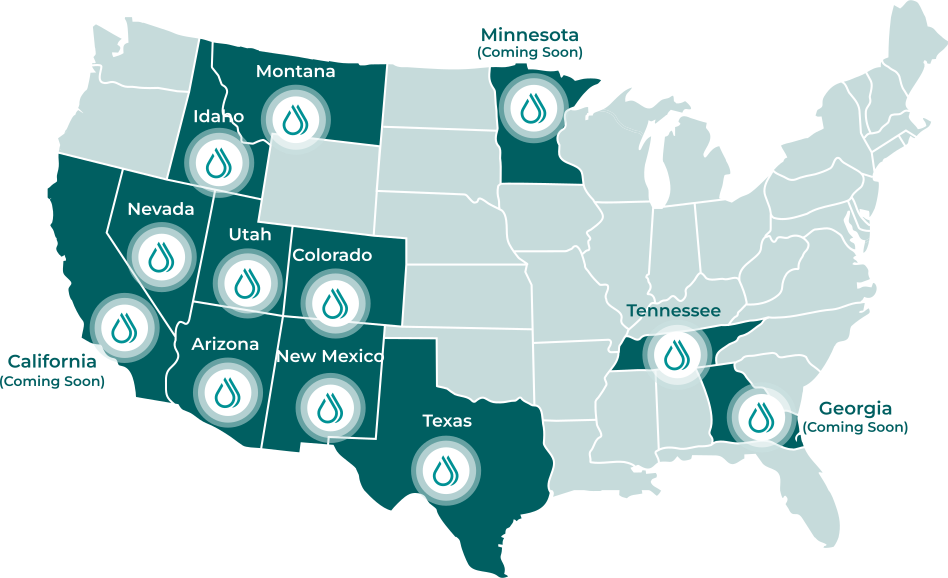
Pure IV serves Arizona, Utah, Nevada, Colorado, Tennessee, New Mexico, Texas, Idaho, and Montana. Find your city on the booking page.
How to Prevent a Bad Hangover Next Time
Recovery is better than prevention only in theory. In practice, the best hangover is the one you barely feel.
Eat Before and During Drinking
Food slows alcohol absorption. A real meal, not just a snack, before you go out makes a significant difference ( Mayo Clinic). Eating while you drink helps too.
Drink Water Between Drinks
One glass of water between each drink is not a myth. It dilutes alcohol, slows your consumption, and gives your kidneys something other than alcohol to process.
Pick Lighter Liquors
Dark liquors cause worse hangovers. Bourbon, whiskey, brandy, and red wine contain high levels of chemicals called congeners, including methanol, whose toxic breakdown products amplify hangover severity. Vodka and gin have far fewer congeners ( Mayo Clinic).
Take B Vitamins and Zinc Before You Go Out
A study published in the Journal of Clinical Medicine found that people with higher dietary intake of zinc and B vitamins experienced less severe hangovers. Both nutrients are involved in how your body breaks down alcohol and acetaldehyde. A B-complex supplement and a zinc supplement before drinking can help.
Consider a Pre-Game IV
If you have something important the next day and you know you are going out, a Pre-Game IV loads your body with hydration and B vitamins before you start drinking. It does not give you permission to overdo it, but it does give your body a head start on recovery.
If Nausea Is Your Main Problem
Nausea deserves its own playbook. Ginger, specific anti-nausea positioning, and the order in which you reintroduce food all matter. We go deeper on all of it in our guide to getting rid of hangover nausea fast.
If You Are Still Feeling It Tomorrow
Most people are back to normal within 24 hours. But if you drank heavily, slept poorly, or are over 30, a second day of symptoms is not unusual.
According to the NIAAA, symptoms can persist well beyond 24 hours in some people. If you are waking up on day two still feeling rough, you may be dealing with a 2-day hangover, which has its own causes and a different protocol to push through it.
Warning Signs: When a Hangover Is an Emergency
This section is not meant to scare you. Most hangovers are miserable but not dangerous. This is for the person who is not just hungover.
Alcohol Poisoning vs. a Hangover
A hangover means the alcohol is largely out of your system and your body is recovering. Alcohol poisoning means dangerous amounts of alcohol are still in your bloodstream and your body is being overwhelmed right now.
Call 911 immediately if the person shows any of these signs:
- Fewer than 8 breaths per minute
- More than 10 seconds between breaths
- Seizures
- Blue, gray, or pale skin
- Vomiting while unconscious
- Unresponsive: cannot be woken up
- Confusion so severe they cannot speak or recognize where they are
Do not wait for all symptoms to appear. Do not put them in a shower. Do not give them coffee. Call 911 ( NIAAA).
The NIAAA is clear: "BAC can continue to rise even when a person stops drinking or is unconscious." Someone who seems stable can deteriorate fast.
Mayo Clinic also notes additional warning signs: slow heart rate, low body temperature, and inability to remain conscious. Any one of these is a 911 call.
Frequently Asked Questions
How long does a hangover last?
Most hangovers last 8 to 24 hours. Symptoms peak when blood alcohol concentration returns to zero, usually the morning after drinking, then slowly fade. According to the Cleveland Clinic, the typical window is 8 to 24 hours, though heavy drinking or individual metabolism can push that into a second day.
What is the fastest way to cure a hangover?
There is no instant cure. The fastest recovery involves rehydrating with electrolytes, eating bland carbohydrates to stabilize blood sugar, taking ibuprofen for pain, and resting. For faster relief, IV therapy delivers fluids, anti-nausea medication, and vitamins directly to your bloodstream and typically works within 30 to 45 minutes. Most Pure IV patients feel 70 to 80 percent better by the end of the session.
Does hair of the dog actually work?
No. Drinking more alcohol may temporarily mask symptoms by keeping you slightly buzzed, but it does not resolve the dehydration, acetaldehyde buildup, or inflammation driving your symptoms. The NIAAA is clear: it does not cure a hangover. It just delays it.
Is hangover IV therapy worth it?
For severe hangovers, especially when you cannot keep food or water down, IV therapy is the most comprehensive option available. It bypasses your digestive system entirely, delivering 100 percent bioavailable fluids, electrolytes, anti-nausea medication, and vitamins in one session. Most Pure IV patients report feeling 70 to 80 percent better by the end of the 30 to 45 minute treatment. It is HSA/FSA eligible.
When should I go to the ER for a hangover?
Call 911 immediately if someone shows fewer than 8 breaths per minute, more than 10 seconds between breaths, blue or gray skin, seizures, inability to be woken up, or vomiting while unconscious. These are signs of alcohol poisoning, not a hangover. It is a medical emergency ( NIAAA, Mayo Clinic).
What foods help a hangover?
Bland carbohydrates like toast, crackers, and bananas stabilize blood sugar. Eggs provide cysteine, which helps your liver break down acetaldehyde. Broth replaces sodium and potassium. Avoid greasy, spicy, or acidic foods, which aggravate an already-irritated stomach. The goal is easy-to-digest food, not a big meal.
Ready to Feel Better Now?
You do not have to spend the whole day on the couch, sipping water and hoping the ceiling stops moving. If your symptoms are not improving in 45 minutes, book a hangover IV from Pure IV. A licensed clinician comes to you. Most patients feel 70 to 80 percent better before the bag even finishes. No waiting room. No driving. Just real relief, at home.
Sources
- NIAAA — Hangovers
- NIAAA — Understanding the Dangers of Alcohol Overdose
- Cleveland Clinic — Hangover: What It Is, Symptoms and How to Cure
- Mayo Clinic — Hangovers: Symptoms and Causes
- Harvard Health — 7 Ways to Cure Your Hangover
- Journal of Clinical Medicine via PMC — Alcohol Hangover Research Group 10-Year Review (2020)
- PMC — Absenteeism, Presenteeism, and Economic Costs of Hangover (2024)
- PMC — Incidence and Severity of Hangover
Recent Posts