The Ultimate Guide to Athletic Hydration

Medically reviewed by Allison Lane, MD
Allison Lane • March 27, 2026
Table of Contents
Why Hydration Is the Foundation of Athletic Performance
how much water should athletes drink is one of the most important questions any active person can ask — and the answer depends on your body weight, sweat rate, and when you're exercising.
Here's a quick-reference breakdown:
| Timing | Recommended Fluid Intake |
|---|---|
| Daily baseline (women) | ~91 oz (11 cups) per day |
| Daily baseline (men) | ~125 oz (15 cups) per day |
| Simple daily rule | Half your body weight in ounces (e.g., 160 lb = 80 oz) |
| 2-4 hours before exercise | 17-20 oz of water or sports drink |
| 10-20 minutes before exercise | 7-10 oz |
| During exercise (every 15-20 min) | 6-12 oz |
| After exercise | 16-24 oz per pound of body weight lost |
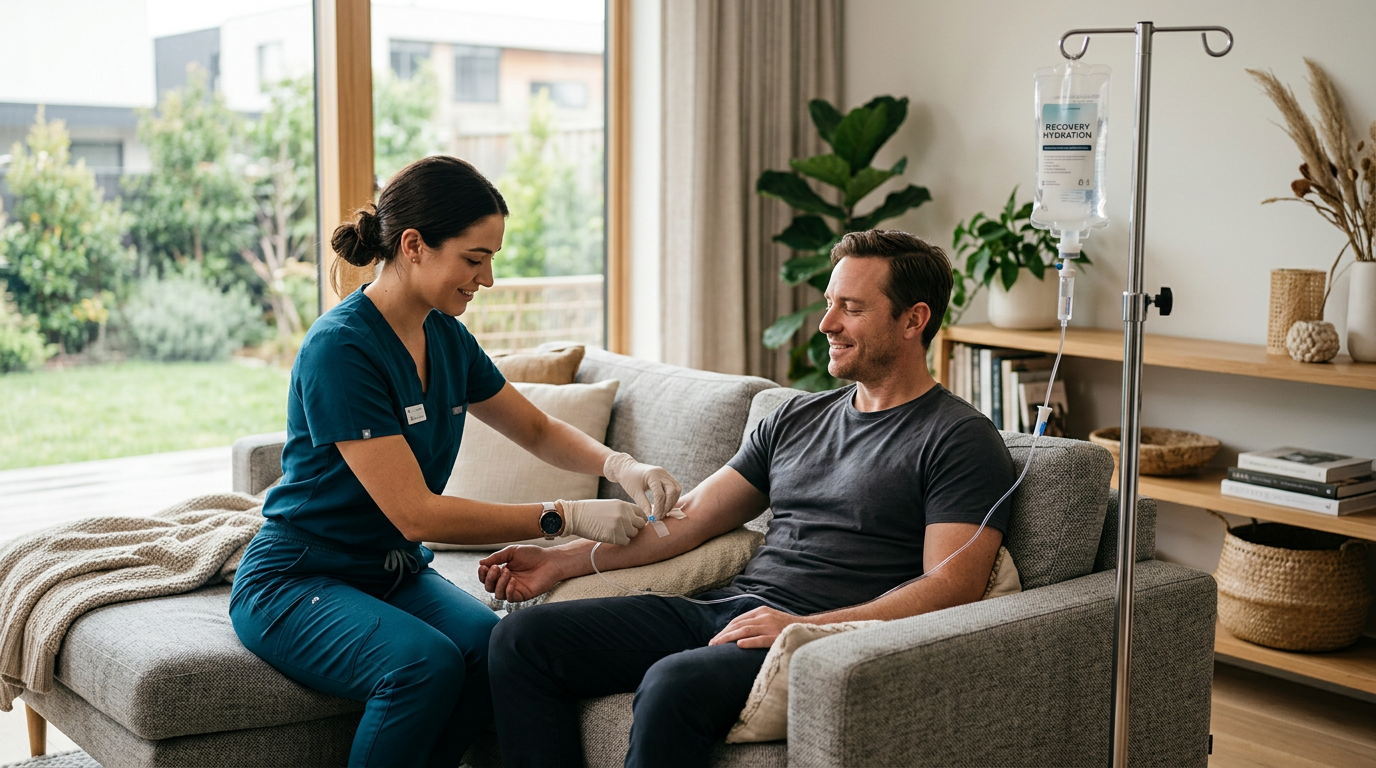
For faster rehydration after intense workouts, many athletes turn to a hydration IV drip to replenish fluids and electrolytes efficiently. These are starting points. Your actual needs shift based on heat, humidity, exercise intensity, and how much you sweat.
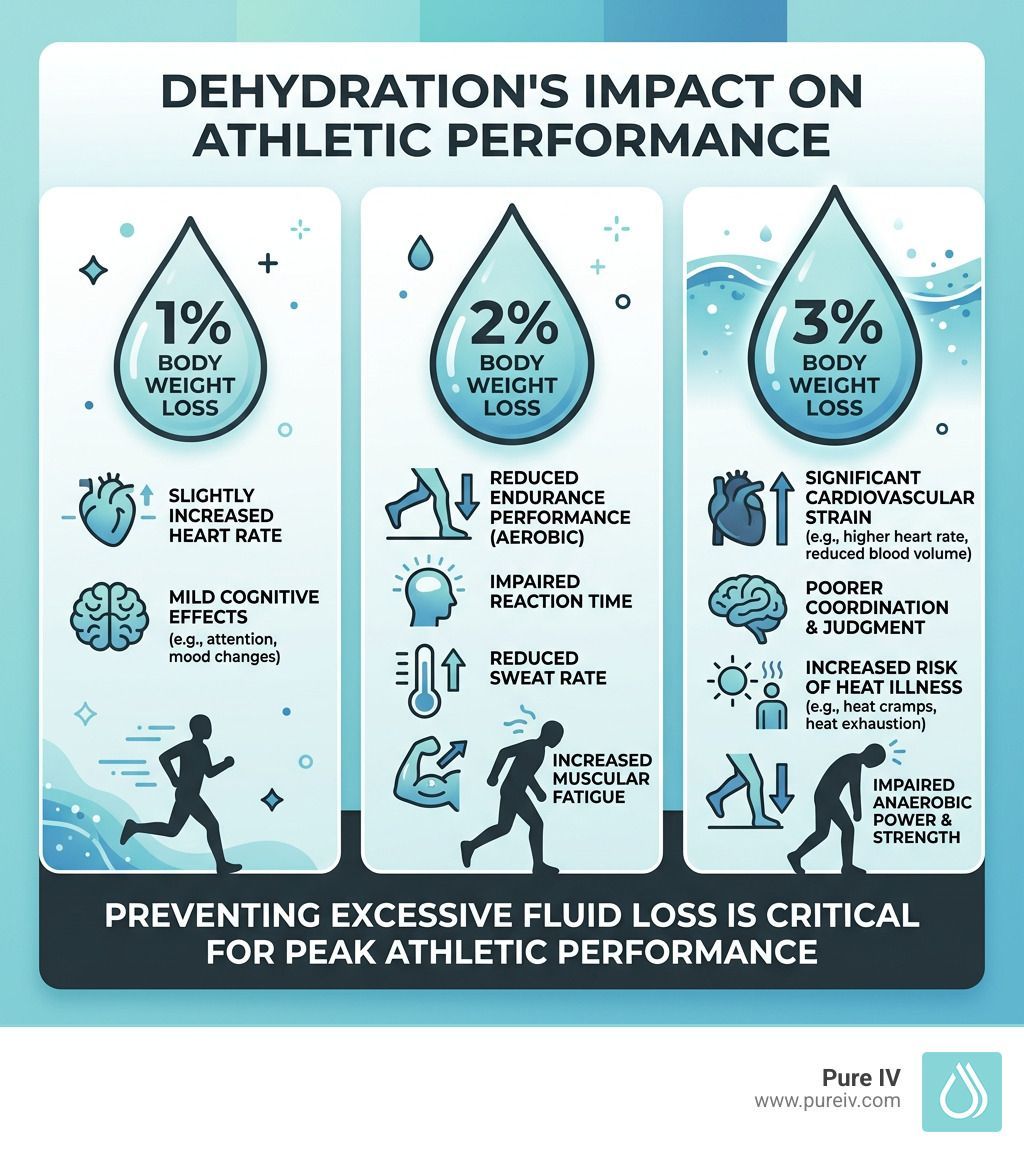
Your body is about 60% water. It uses that water to regulate temperature, deliver oxygen to muscles, lubricate joints, and keep your heart working efficiently. When you exercise, you lose fluid fast — up to 2 quarts per hour during moderate activity, and up to 3 quarts per hour during endurance events like distance running. Even a loss of just 1-2% of your body weight in fluid can start to impair performance, increase cardiovascular strain, and raise your risk of heat illness — often before you even feel thirsty. In more severe cases, athletes may benefit from dehydration IV therapy to rapidly restore fluid balance and performance.
That's what makes hydration so easy to underestimate. By the time thirst kicks in, you're already behind.
I'm Dr. Allison Lane, board-certified emergency medicine physician and fellowship-trained sports medicine specialist with over 15 years of clinical experience working with athletes at every level — from collegiate programs to professional teams. Understanding exactly how much water should athletes drink across different conditions is central to the work I do at Pure IV, where I oversee clinical protocols for performance and recovery. In the sections ahead, we'll break down the science and give you practical tools to dial in your hydration with precision.
How Much Water Should Athletes Drink?
When we talk about hydration, we aren't just talking about sipping water when your mouth feels dry. For an athlete, water is a performance-enhancing nutrient. It maintains your blood volume, which allows your heart to pump blood to your skin for cooling and to your muscles for energy. If you're new to this approach, here's a quick overview of what IV therapy is and how it works..
The National Athletic Trainers’ Association (NATA) and the American College of Sports Medicine (ACSM) emphasize that the goal of any hydration strategy is to prevent a body mass loss of greater than 2%. Once you cross that 2% threshold, your aerobic performance drops, your heart rate climbs (a phenomenon called cardiovascular drift), and your ability to make quick decisions on the field begins to wither. This is why many athletes use energy boost IV therapy to maintain peak mental and physical performance.
Calculating How Much Water Should Athletes Drink Daily
To find your "magic number," we start with a baseline. The Institute of Medicine (IOM) suggests that adult men need about 125 ounces (15.5 cups) and women need about 91 ounces (11.5 cups) of total fluid daily. However, about 20% of this usually comes from water-rich foods like watermelon (92% water), cucumbers (95%), and strawberries (91%).
For a more personalized approach, use the Body Weight Rule:
- Take your body weight in pounds.
- Divide that number by two.
- That is your baseline in ounces. (A 200 lb athlete starts at 100 oz).
- Add 15-20 ounces for every hour of physical activity.
If you are training in high-altitude areas like Salt Lake City or the mountainous regions of Montana and Colorado, your needs will be even higher. The air is drier, and you lose more moisture just by breathing.
How Much Water Should Athletes Drink During Competition
During the heat of a game or a long training session, your gut can only absorb so much fluid at once. This is why "chugging" at halftime is less effective than "sipping" consistently.
- The 20-Minute Rule: Aim for 6 to 12 ounces of fluid every 20 minutes.
- Youth Adjustments: For children (ages 9-12), this should be 3 to 8 ounces; for teens, 11 to 16 ounces.
- Gastric Emptying: Your stomach can typically process about 1 liter (roughly 34 oz) of fluid per hour. If you drink more than that, it just "sloshes" around, which can lead to GI distress.
In sports with limited access to water—like soccer or long-distance running—you must maximize every opportunity. We often see "voluntary dehydration" in these sports, where athletes drink less than they need simply because the water isn't right in front of them.
The Role of Electrolytes in Athletic Performance
If you only drink plain water during a three-hour marathon, you might actually be putting yourself at risk. This is because sweat isn't just water; it’s a soup of minerals called electrolytes, primarily sodium, chloride, potassium, magnesium, and calcium.
Electrolytes are responsible for the "spark" in your body. These essential nutrients are commonly included in vitamins used in IV therapy to support optimal hydration and recovery. They allow your nerves to send signals and your muscles to contract. Sodium is the heavy hitter here. It helps your body "hold onto" the water you drink. If you dilute your blood by drinking too much plain water without replacing sodium, you can develop a dangerous condition called hyponatremia (low blood sodium), which can cause seizures or even be fatal in extreme cases.
According to the NATA position statement on fluid replacement , including sodium in your rehydration drink helps maintain the thirst drive and promotes fluid retention.
Choosing the Right Beverage: Water vs. Sports Drinks
Is water enough? It depends on the clock.
- Under 60 Minutes: Plain water is usually perfectly fine for moderate exercise.
- Over 60–90 Minutes: This is where sports drinks shine.
The ideal sports drink should have a 6-8% carbohydrate concentration. Why? Because glucose (sugar) actually helps your small intestine absorb water and sodium faster. This is one reason why IV therapy vs oral supplements can offer faster hydration benefits. However, avoid "energy drinks" or sodas with concentrations higher than 8%, as they slow down gastric emptying and can cause stomach cramps.
Expert Tip: While coconut water is popular, it's high in potassium but low in the sodium you actually lose in sweat. It’s great for a snack, but not ideal for high-intensity rehydration. For recovery, many athletes swear by chocolate milk because it provides the perfect 4:1 ratio of carbs to protein.
Managing Electrolyte Loss in Heavy Sweaters
Have you ever noticed white, crusty stains on your black workout shirt after it dries? Those are salt crystals. If you are a "salty sweater," you might lose between 200mg and 2,000mg of sodium per liter of sweat.
If you're prone to cramping, it’s often a sign of either muscle fatigue or a massive sodium deficit. We recommend "pre-loading" with a salty snack (like pretzels or pickles) or an electrolyte-rich drink before heading out into the heat of Las Vegas or Phoenix.
Monitoring Hydration Status and Recognizing Dehydration
How do you know if you're winning the hydration battle? Don't wait for thirst. Thirst is a "lagging indicator"—by the time you feel it, you may already be 2-3% dehydrated.
Instead, use the WUT Method:
- W (Weight): Are you lighter than you were yesterday morning? (A loss of >1% body mass is a red flag).
- U (Urine): Is your urine dark, like apple juice? (It should be pale, like lemonade).
- T (Thirst): Are you thirsty?
If you check two out of three, you are likely dehydrated.
Hydration Considerations for Youth and Female Athletes
Hydration isn't "one size fits all."
- Youth Athletes: Kids have a lower sweating capacity and a higher surface-area-to-mass ratio. They get hot faster than adults and are less likely to recognize the signs of dizziness or fatigue.
- Female Athletes: Hormonal shifts during the menstrual cycle can impact fluid balance. During the luteal phase(the week before your period), your core temperature rises, and you may lose sodium more easily.
For those looking to bounce back quickly after a grueling tournament or a high-intensity training block, More info about Athletic Recovery services can help explain how professional-grade hydration can bridge the gap when oral intake isn't enough.
Overcoming Barriers to Optimal Hydration
Even the best-laid plans fail when life gets in the way. Common barriers include:
- Facility Access: If the water fountain is a three-minute run from the practice field, you won't use it enough. Carry a reusable, marked gallon bottle.
- Caffeine: While a morning coffee can be an ergogenic aid (boosting performance), it has a mild diuretic effect. We suggest matching every ounce of coffee with an extra ounce of water.
- Motivation: Use apps like WaterMinder or Hydro Coach to turn hydration into a game.
Frequently Asked Questions about Athletic Hydration
Is thirst the best indicator of when to drink?
No. Thirst is your body's "emergency light." It typically doesn't trigger until you've already lost 2-3% of your body weight. For athletes, proactive, scheduled sipping is much more effective for maintaining peak power and focus
Can an athlete drink too much water?
Yes. This is called hyponatremia. It happens when you drink so much plain water that you dilute the sodium in your blood. It is most common in "slow" marathoners who are out on the course for 5+ hours and drink at every single water station without consuming electrolytes.
Does caffeine dehydrate athletes during exercise?
In moderate amounts (2-3 cups of coffee), caffeine does not significantly dehydrate regular users. However, it can increase heart rate. If you aren't used to it, don't try it for the first time on race day!
Conclusion
Mastering how much water should athletes drink is a skill that requires practice, just like your jump shot or your stride. By calculating your baseline, monitoring your "WUT" signs, and balancing your electrolytes, you can ensure that your body has the fuel it needs to perform at its peak.
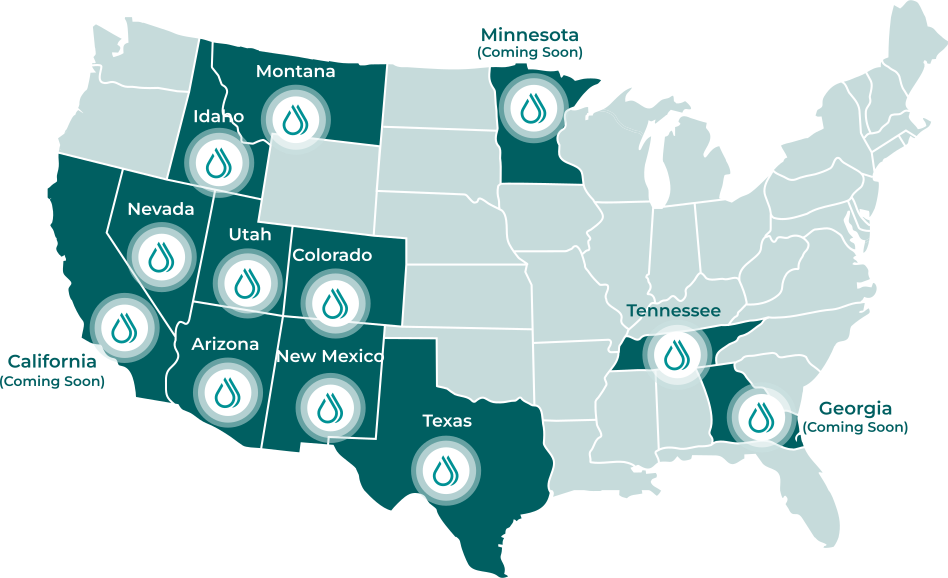
At Pure IV, we understand that sometimes the demands of training, travel, and the intense heat of places like Arizona, Nevada, and Texas can leave you depleted. We provide mobile IV therapy delivered directly to your home, office, or hotel by licensed nurses and paramedics. Learn more about how mobile IV therapy works and what to expect during your session. Every treatment is reviewed in real-time by a Nurse Practitioner to ensure it's exactly what your body needs. Whether you're recovering from a marathon in Denver or a triathlon in Nashville, we’re here to help you get back in the game.
Book mobile IV therapy today and recover faster with expert care delivered to you.
Dr. Allison Lane is a board-certified physician who focuses on clear communication, patient safety, and personalized treatment plans. She works closely with our team to ensure care is safe based on each person’s medical history, needs, and goals. Her clinical interests include sports medicine, emergency medicine, and tactical medicine.
Dr. Lane has extensive experience providing medical support for athletes and major events. She is the Medical Director for the Tucson Roadrunners and has served as a team physician for University of Arizona athletics and multiple professional and community sports organizations. She also works as a ringside physician for boxing and MMA events.
She’s also active in community service and medical training, helping teach CPR, Narcan use, Stop the Bleed, and basic first aid. At Pure IV, Dr. Lane's focus is on medical compliance, patient safety, and helping scale Pure IV on the medical side.
Education & Training:
- University of Arizona College of Medicine (2010)
- Emergency Medicine Residency, University of Arizona (2013)
- Primary Care Sports Medicine Fellowship, University of Arizona (2014)
Recent Posts