IV Therapy for Post-Surgery Recovery
You made it through surgery. Now comes the part nobody warned you about — the recovery. You are exhausted, nauseous from the anesthesia, sore everywhere, and so dehydrated your lips are cracking. Your surgeon told you to drink fluids and rest, but you can barely keep water down. The pain medication makes you constipated. The antibiotics upset your stomach. Every trip to the kitchen feels like an expedition.
★★★★★ Trusted by 25,000+ satisfied patients

Here is what most people do not realize about surgery: the procedure itself is only half the battle. Your body’s recovery process demands enormous resources — extra hydration, higher nutrient levels, increased protein synthesis, and an immune system working overtime to prevent infection. If you are not giving your body those resources, recovery takes longer, complications become more likely, and you feel miserable the entire time.
Post-surgery IV therapy delivers hydration, vitamins, anti-inflammatory medication, anti-nausea medication, and immune-supporting nutrients directly into your bloodstream. Because the IV bypasses your stomach, everything reaches your cells at full concentration — even if you cannot eat or keep fluids down. A licensed nurse or paramedic comes to your home. A Nurse Practitioner reviews your surgical history and current medications and approves every treatment in real time. You stay in bed, on the couch, wherever you are most comfortable.
What Surgery Actually Does to Your Body
Surgery is controlled trauma. Even the most routine procedure triggers a cascade of physiological responses designed to protect and repair your body. Understanding these responses explains why recovery is so draining and why targeted support makes a significant difference.
Anesthesia Aftereffects
General anesthesia suppresses your central nervous system to keep you unconscious and pain-free during the procedure. But it does not wear off cleanly. Post-anesthetic
nausea and vomiting (PONV) affects 30 to 50 percent of surgical patients. Anesthesia slows your gastrointestinal motility, meaning your digestive system essentially shuts down during surgery and takes time to restart. This is why so many patients feel nauseous, bloated, and constipated for days after a procedure.
Anesthesia also causes
dehydration
because you are required to fast before surgery, and you lose fluid through the procedure itself.
The Inflammatory Response
The moment a surgeon makes an incision, your body launches an inflammatory response. Blood vessels dilate at the surgical site. Fluid rushes to the area, causing swelling. White blood cells flood the region to
prevent infection and begin cleaning up damaged tissue. Prostaglandins amplify pain signals so your brain knows something needs attention. This inflammation is necessary for healing, but it also causes the pain, swelling, bruising, and stiffness that make recovery uncomfortable. Your body uses vitamin C, zinc, and magnesium at accelerated rates to manage this inflammatory process.
Nutrient Depletion and Metabolic Demand
Surgical recovery increases your body’s metabolic demand significantly. Your body needs more vitamin C for collagen synthesis (essential for wound healing), more zinc for immune function and tissue repair, more B vitamins for energy production and cell division, and more protein for rebuilding damaged tissue. At the same time, your appetite is reduced, your gut is sluggish from anesthesia and medications, and you may not be absorbing nutrients effectively from food. This creates a gap between what your body needs and what it is actually getting.
Immune Vulnerability
Surgery temporarily suppresses your immune system. The physical stress of the procedure, anesthesia, blood loss, and the inflammatory response all divert immune resources toward healing the surgical site. This makes you more susceptible to infection during the recovery period. Post-operative infections are one of the most common surgical complications, and they can significantly extend recovery time. Supporting your immune system with vitamin C, zinc, and proper hydration during this window is critical.
Types of Surgery Where IV Therapy Supports Recovery
IV therapy is not a replacement for your surgeon’s post-operative care plan. It is a supplement that helps your body meet the increased demands of recovery. Here are the most common surgical scenarios where patients seek IV support:
| Surgery Type | What It Does | Why It Matters for Sunburn & Heat |
|---|---|---|
| Cosmetic / Plastic Surgery | Significant swelling and bruising. Nausea from anesthesia. Pain at multiple sites. Desire to recover quickly for social reasons. Common procedures: rhinoplasty, breast augmentation, tummy tuck, liposuction, facelift, BBL. | Vitamin C and zinc accelerate tissue repair and reduce bruising. Anti-nausea medication (Zofran) addresses anesthesia-related nausea. Hydration reduces swelling. Glutathione supports skin healing and antioxidant defense. |
| Orthopedic Surgery | Joint replacements, ACL repairs, rotator cuff surgery, spinal procedures. Significant pain and inflammation. Limited mobility makes clinic visits difficult. Physical therapy demands extra energy. | Toradol provides non-opioid pain and inflammation relief. Magnesium reduces muscle spasms and cramping. B vitamins support energy for physical therapy. Hydration supports joint lubrication and cartilage repair. |
| Dental and Oral Surgery | Supports energy production, metabolism, and cellular repair | IV hydration bypasses the mouth entirely. Anti-nausea medication prevents vomiting (which can damage surgical sites). Vitamin C and zinc support gum and tissue healing. |
| Abdominal Surgery | Appendectomy, hernia repair, gallbladder removal, bariatric surgery, C-section. Gut motility is severely impaired. Eating is restricted. Pain with movement. | IV nutrients bypass the recovering digestive system. Hydration supports the return of normal bowel function. Anti-nausea medication manages post-operative nausea. Magnesium can help restart sluggish bowels. |
| Outpatient / Same-Day Procedures | Endoscopy, colonoscopy, biopsies, minor skin surgery, vasectomy. Fasting before the procedure causes dehydration. Sedation causes grogginess and nausea. Sent home to recover without IV support. | Rapid rehydration after fasting. Anti-nausea relief for sedation side effects. Vitamin replenishment. Patients often feel dramatically better within 30 minutes of starting the IV. |
What Surgery Actually Does to Your Body
Most people think about IV therapy only after surgery, but there is a strong case for getting an IV before your procedure. Surgeons routinely advise patients to be well-hydrated and nutritionally optimized before going into the operating room. Going into surgery dehydrated or nutrient-depleted puts you behind from the start.
A pre-surgery IV 24 to 48 hours before your procedure can top off your hydration levels (especially important since you will be fasting before surgery), ensure your vitamin C and zinc levels are at their peak for wound healing, provide magnesium to reduce muscle tension and support relaxation, and give your immune system a nutrient boost before it faces the stress of surgery.
If you are considering a pre-surgery IV, always inform your surgical team. They need to know about any supplements, vitamins, or medications you have received in the days before your procedure. Some surgeons specifically request that patients stop certain supplements (like high-dose vitamin E or fish oil) before surgery due to bleeding risk. The NP at Pure IV will coordinate with your surgical team’s guidelines.
What Is Inside a Post-Surgery Recovery IV?
Each ingredient targets a specific challenge of surgical recovery. The formulation is designed to support healing, reduce symptoms, and help your body bridge the gap between what it needs and what it can absorb on its own
| Ingredient | What It Does | Why It Matters After Surgery |
|---|---|---|
| Normal Saline (0.9% NaCl) | Rapidly restores fluid volume and rehydrates cells and tissues throughout the body | Patients fast before surgery, lose fluid during the procedure, and often cannot drink enough afterward due to nausea or pain. A liter of saline in 30–45 minutes corrects dehydration that could otherwise take a full day of sipping water. |
| Vitamin C (Ascorbic Acid) | Essential for collagen synthesis, immune function, and antioxidant defense | Collagen is the primary structural protein in wound healing. Without adequate vitamin C, your body cannot produce the collagen needed to close incisions and repair tissue. Vitamin C also supports immune function during the vulnerable post-operative period and reduces oxidative stress from the inflammatory response. |
| Zinc | Supports immune function, cell division, and tissue repair | Zinc is essential for every stage of wound healing — from the initial inflammatory response to tissue remodeling. Zinc deficiency impairs immune function and slows wound closure. Surgical patients have increased zinc requirements that are difficult to meet through diet alone, especially when appetite is reduced. |
| B-Complex Vitamins | Supports energy production, cell division, and nervous system function | Surgical recovery demands enormous energy. B vitamins fuel the metabolic pathways that convert nutrients into usable energy. They also support cell division (critical for tissue repair) and help reduce the fatigue and brain fog that patients experience for days or weeks after anesthesia. |
| Vitamin B12 | Essential for nerve function, red blood cell production, and DNA synthesis | B12 supports nerve repair (important after surgeries that affect nerve tissue), red blood cell production (important after blood loss), and the energy metabolism that powers recovery. Many patients are already B12-deficient before surgery without knowing it. |
| Magnesium | Relaxes muscles, reduces cramping, supports enzymatic processes, and has natural anti-inflammatory properties | Post-operative muscle spasms and stiffness are common, especially after orthopedic and abdominal surgery. Magnesium relaxes smooth and skeletal muscle, reduces cramping, and supports the hundreds of enzymatic reactions involved in tissue repair. It also helps counteract the constipation caused by opioid pain medications. |
Recovery With IV Support vs. Recovery Without It
To be clear: your body will heal after surgery with or without IV therapy. The question is how quickly, how comfortably, and with how many setbacks.
| Recovery Challenge | Without IV Support | With IV Support |
|---|---|---|
| Dehydration | You sip water slowly for hours. Your stomach may not tolerate large volumes. Full rehydration takes 6–8 hours or longer. Dehydration worsens fatigue, headaches, and constipation. | One liter of saline enters your bloodstream in 30–45 minutes. Full rehydration occurs during the infusion. Headaches and fatigue improve rapidly. |
| Nausea and Vomiting | Oral anti-nausea medication has to pass through the nauseous stomach. May take 30–60 minutes to work if you can keep it down. Vomiting strains surgical incisions. | IV Zofran bypasses the stomach entirely. Works within minutes. Stops the vomiting cycle before it can strain surgical sites. |
| Pain and Inflammation | Oral pain medication takes 30–60 minutes to work. Many patients are prescribed opioids with side effects including constipation, drowsiness, and dependence risk. | IV Toradol (when appropriate) provides non-opioid anti-inflammatory relief within 15–30 minutes. Can reduce reliance on opioid prescriptions. |
| Nutrient Delivery | Supplements have to pass through a sluggish, post-anesthesia digestive system. Absorption is impaired. You may not feel like eating for days. | 100% bioavailability. Vitamins, minerals, and antioxidants reach your cells immediately without any digestive processing. |
| Wound Healing | Proceeds at whatever rate your current nutrient levels allow. If you were already deficient in vitamin C or zinc, healing is slower. | Vitamin C and zinc are delivered at therapeutic levels directly into the bloodstream, providing your body the building blocks for collagen synthesis and tissue repair. |
| Getting to a Clinic | Requires getting dressed, driving or getting a ride, sitting in a waiting room, potentially exposing surgical sites to germs, and navigating all of this while in pain. | A licensed nurse comes to your home. You stay in bed. The entire treatment happens wherever you are most comfortable. |
When Post-Surgery IV Therapy Is Appropriate vs. When to Call Your Surgeon
IV therapy supports surgical recovery. It does not replace your surgeon’s post-operative care. Here is how to know which situations call for which response.
Post-Surgery IV Therapy Can Help With
- Dehydration from fasting, nausea, or difficulty drinking enough fluids
- Nausea and vomiting from anesthesia or pain medications
- General pain, soreness, and inflammation in the days following surgery
- Fatigue and low energy during the recovery period
- Constipation from opioid pain medications (magnesium supports motility)
- Desire to reduce reliance on opioid pain medication
- Nutrient support for wound healing and immune function
- Cosmetic surgery recovery (reducing bruising, swelling, and downtime)
Call Your Surgeon or Go to the ER If You Experience
- Fever above 101.5°F (possible sign of post-operative infection)
- Sudden increase in pain that is not responding to prescribed medication
- Redness, warmth, swelling, or discharge at the incision site (possible wound infection)
- Excessive bleeding from the surgical site
- Difficulty breathing or chest pain (possible blood clot or pulmonary embolism)
- Calf pain or swelling (possible deep vein thrombosis — DVT)
- Inability to urinate for more than 8 hours after surgery
- Any symptom that feels suddenly different or worse than expected
Why Choose Pure IV for Pain Management?
When you are in pain, you need two things: relief that works and a provider you can trust. Here is what sets Pure IV apart:
Physician-Owned
Pure IV is owned and operated by physicians with equity in the company. The clinical protocols, IV formulations, and safety standards are set by doctors who understand surgical recovery at a medical level.
Real-Time NP Oversight
Every treatment is reviewed and approved by a Nurse Practitioner before it begins. The NP reviews your surgical history, your surgeon’s post-operative instructions, and your current medications before prescribing anything. This is non-negotiable — it happens for every single patient.
Licensed RNs and Paramedics
Your IV is administered by a licensed Registered Nurse or paramedic. These are the same professionals who manage IVs and post-operative patients in hospitals.
Non-Opioid Pain Support
When appropriate, Toradol provides powerful anti-inflammatory relief without opioid side effects. Many patients use post-surgery IVs specifically to reduce their reliance on prescription opioids.
Mobile Service to Your Home
After surgery, the last thing you need is to get in a car and drive to a clinic. A licensed nurse comes to your home, your recovery suite, your hotel — wherever you are healing.
No Hidden Fees
The price you see is the price you pay. No travel fees. No service fees. No surprise charges.
Same-Day Service
Surgery does not wait, and neither should your recovery support. Text or call and we will have a nurse at your door the same day.
HSA/FSA Accepted
Use your Health Savings Account or Flexible Spending Account to pay for your treatment.
Frequently Asked Questions About Post-Surgery IV Therapy
How soon after surgery can I get an IV?
Most patients can safely receive IV therapy within 24 to 48 hours after surgery, though many benefit from it even sooner. The NP reviews your specific procedure and your surgeon’s discharge instructions before approving treatment. If your surgeon has specific restrictions on fluids, supplements, or medications, the NP will respect those guidelines.
Should I tell my surgeon I am getting IV therapy?
Yes. We always recommend keeping your surgical team informed about any supplemental treatments. Most surgeons are supportive of IV hydration and nutrient therapy after surgery because they understand how important hydration and nutrition are for recovery. If your surgeon has any specific concerns, the NP will coordinate accordingly.
Can IV therapy replace my prescribed pain medication?
IV therapy is not a replacement for prescribed post-operative medications. However, many patients find that the combination of IV hydration, Toradol (a non-opioid anti-inflammatory), and magnesium reduces their need for opioid pain medication. Some patients are able to use fewer opioid doses or transition off opioids sooner with IV support. Always follow your surgeon’s pain management plan.
Is this helpful after cosmetic surgery?
Very. Post-cosmetic surgery IV therapy is one of our most popular treatments, especially in markets like Phoenix, Scottsdale, Las Vegas, and Nashville. Patients recovering from rhinoplasty, breast augmentation, liposuction, tummy tucks, and facelifts benefit from hydration (reduces swelling), vitamin C and zinc (accelerates tissue repair), Zofran (manages anesthesia-related nausea), and glutathione (supports skin healing and reduces bruising).
Can I get a pre-surgery IV?
Yes. A pre-surgery IV 24 to 48 hours before your procedure can optimize your hydration and nutrient levels going into the operating room. Inform your surgical team about the IV and follow any supplement restrictions they provide. The NP will adjust the formulation to comply with your surgeon’s pre-operative guidelines.
Will the IV help with post-anesthesia nausea?
Yes. Post-anesthetic nausea and vomiting (PONV) is one of the most common complaints after surgery. The NP can prescribe Zofran (ondansetron) as part of your IV, which is the same anti-nausea medication used in hospital recovery rooms. Because it enters your bloodstream directly, it works within minutes and does not require your nauseous stomach to process a pill.
How long does the treatment take?
Most post-surgery recovery IVs take 30 to 45 minutes. Many patients feel improvement during the infusion itself, particularly from the hydration and anti-nausea medication.
Do you accept HSA or FSA?
Yes. Pure IV accepts HSA and FSA payments for all IV treatments.
Your Body Just Went Through Surgery. Give It What It Needs to Heal
Surgery puts your body through one of the most demanding physical experiences it will ever face. The recovery demands more hydration, more nutrients, more immune support, and more energy than your body can easily get from food and water alone — especially when your stomach is not cooperating.
Post-surgery IV therapy delivers hospital-caliber hydration, vitamins, anti-nausea and anti-inflammatory medication directly into your bloodstream. A licensed nurse comes to your home. A Nurse Practitioner approves every treatment. You stay in bed and focus on getting better.
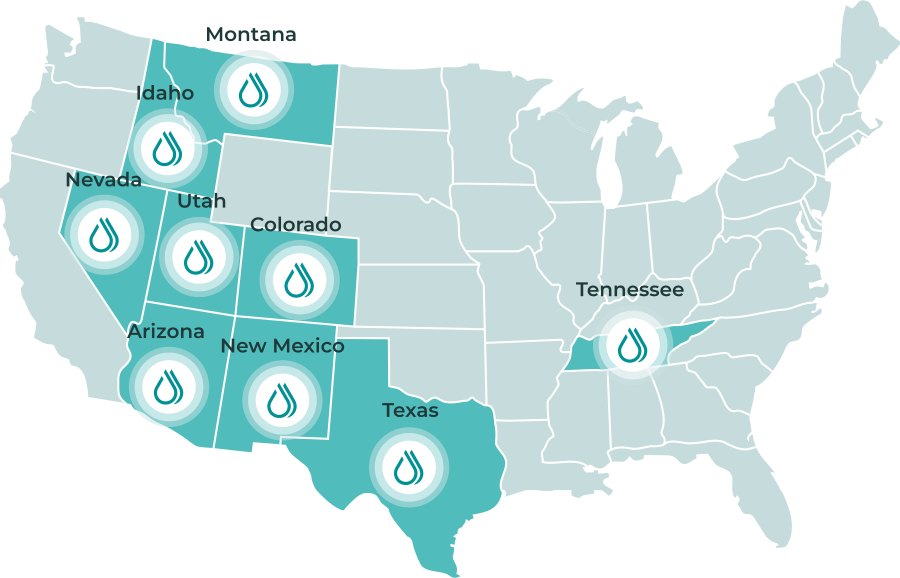
Pure IV serves patients across Arizona, Colorado, Utah, Nevada, Tennessee, New Mexico, Texas, Idaho, and Montana. Same-day service is available in most markets.