IV Therapy for Pain Management
Your back seized up three days ago and ibuprofen is barely taking the edge off. Or your knees ache so badly after work that you cannot play with your kids. Maybe you threw out your shoulder at the gym, twisted your ankle on a hike, or you are recovering from a procedure and the pain is worse than you expected. Whatever the cause, you are in pain right now and you want relief that actually works.
★★★★★ Trusted by 25,000+ satisfied patients
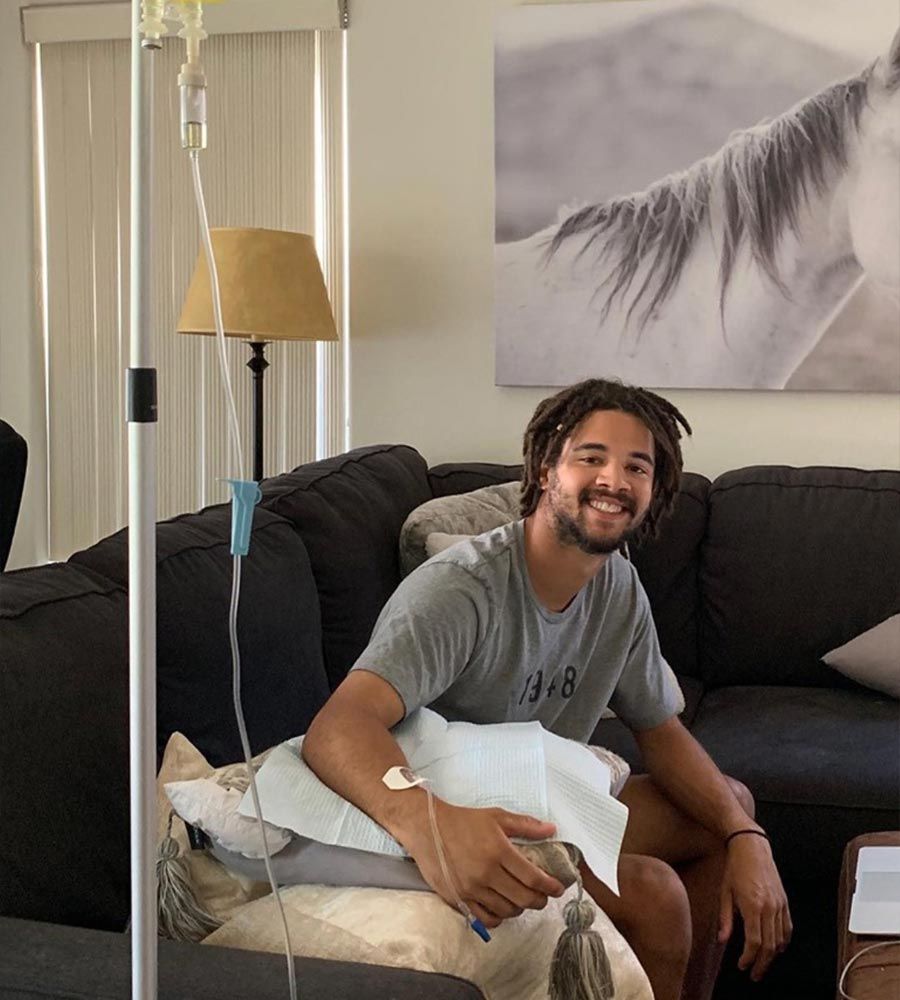
Pain management IV therapy delivers anti-inflammatory medication, hydration, magnesium, and B vitamins directly into your bloodstream. The cornerstone of most pain IVs is Toradol (ketorolac) — a powerful non-steroidal anti-inflammatory drug (NSAID) that is significantly stronger than over-the-counter ibuprofen but is non-narcotic and non-addictive. Because it enters your bloodstream directly through the IV, it works faster and at full strength compared to pills you swallow.
A licensed nurse or paramedic comes to your home, office, or hotel. A Nurse Practitioner reviews your health history and current medications and approves every treatment in real time. You do not have to drive to a clinic or sit in a waiting room when you are already hurting. This page explains how pain works in your body, what is inside a pain management IV, and when IV therapy is the right choice for your situation.
How Pain and Inflammation Actually Work in Your Body
Pain is not just a sensation. It is a complex chemical process that involves your nervous system, your immune response, and a cascade of
inflammatory
chemicals. Understanding this process helps explain why an IV approach can be more effective than popping pills.
The Prostaglandin Pathway
When tissue in your body is injured — whether from a sprained ankle, a surgical incision, arthritis, or muscle strain — damaged cells release an enzyme called cyclooxygenase (COX). This enzyme triggers the production of prostaglandins, which are lipid compounds that serve as chemical messengers. Prostaglandins rush to the injury site and do three things: they increase blood flow to the area (causing redness and warmth), they make blood vessels more permeable so fluid leaks into surrounding tissue (causing swelling), and they sensitize nerve endings so they send stronger pain signals to your brain. This is why an injury hurts more as swelling develops — the prostaglandins are literally turning up the volume on your pain receptors.
Acute vs. Chronic Inflammation
Acute inflammation is your body’s natural healing response. You get hurt, your body sends
inflammatory chemicals to protect and repair the area, and the inflammation resolves as you heal. This process typically lasts a few days to a few weeks. Chronic inflammation is different. It occurs when the
inflammatory response does not shut off properly. Conditions like arthritis, fibromyalgia, chronic back pain, and autoimmune disorders involve persistent inflammation that damages tissue over time instead of repairing it. In chronic inflammation, prostaglandins and other
inflammatory chemicals remain elevated, and the pain signal stays turned on even when there is no new injury.
Why OralPain Medications Have Limits
Over-the-counter NSAIDs like ibuprofen (Advil, Motrin) and naproxen (Aleve) work by blocking the COX enzyme and reducing prostaglandin production. They are effective for mild to moderate pain. But they have to pass through your digestive system first, which means they lose potency during absorption. Your stomach acid and liver metabolism reduce the amount of active medication that actually reaches your bloodstream — a concept called bioavailability. Oral ibuprofen has a bioavailability of roughly 80%, and it takes 30 to 60 minutes to reach peak effect. When you are in significant pain, that delay matters. Oral NSAIDs also irritate the stomach lining with repeated use, which is why long-term use increases the risk of ulcers and gastrointestinal bleeding.
What Types of Pain Can IV Therapy Help With?
Pain management IV therapy isdesigned for moderate to severe acute pain and inflammatory conditions. It isnot designed for chronic pain management as a standalone long-term solution.Here is where it works best:
| Pain Type | Common Causes | How IV Therapy Helps |
|---|---|---|
| Musculoskeletal Pain | Back pain, neck pain, muscle strains, sprains, overuse injuries, pulled muscles from exercise or physical labor | Toradol reduces inflammation at the injury site. Magnesium relaxes tight muscles and reduces spasms. Hydration flushes inflammatory metabolites. |
| Joint Pain and Arthritis Flare-Ups | Osteoarthritis, rheumatoid arthritis, gout flares, bursitis, tendinitis | Anti-inflammatory medication targets prostaglandin production directly. IV delivery provides higher bioavailability than oral NSAIDs. Hydration supports joint lubrication. |
| Post-Surgical Pain | Recovery from dental procedures, orthopedic surgery, cosmetic procedures, outpatient surgeries | Toradol is routinely used in hospitals for post-operative pain. IV delivery at home provides the same caliber of medication without a hospital visit. Hydration supports recovery. |
| Dosage Control | Rolled ankles, shoulder injuries, knee pain, shin splints, muscle tears, tennis elbow, post-game soreness | Reduces inflammation and pain so the body can begin healing. B vitamins support energy and tissue repair. Toradol is the same medication NFL and professional sports teams use for game-day injuries. |
| Headaches and Migraines | Tension headaches, migraine attacks, cluster headaches, sinus headaches | Toradol is an effective abortive therapy for migraines. Combined with magnesium and hydration, it targets multiple migraine mechanisms at once. See our dedicated migraine page for more detail. |
| Menstrual Cramps (Dysmenorrhea) | Severe period cramps, endometriosis-related pain, pelvic inflammation | Prostaglandins drive menstrual cramps. Toradol blocks prostaglandin production directly. Magnesium relaxes uterine smooth muscle. Hydration reduces bloating. |
What Is Inside a Pain Management IV?
Each ingredient targets a different part of the pain and inflammation response. The combination is designed to work together — not just mask symptoms, but address the underlying inflammatory process.
| Ingredient | What It Does | Why It Matters for Pain |
|---|---|---|
| Toradol (Ketorolac) | A powerful NSAID that blocks the COX enzyme and reduces prostaglandin production throughout the body | Toradol is significantly stronger than ibuprofen. IV delivery provides 100% bioavailability and onset within minutes. It is non-narcotic and non-addictive. It is the same medication used in hospital ERs and by professional sports teams for acute pain. |
| Normal Saline (0.9% NaCl) | Restores fluid volume and rehydrates cells and tissues | Dehydration thickens blood, reduces circulation to injured tissue, and slows healing. Proper hydration supports nutrient delivery to damaged areas and helps flush inflammatory waste products. |
| Magnesium | Relaxes smooth and skeletal muscle, calms the nervous system, and has natural anti-inflammatory properties | Magnesium directly reduces muscle spasms, cramping, and tension. It also modulates pain signaling in the nervous system. Many people with chronic pain are magnesium deficient, which amplifies pain sensitivity. |
| B-Complex Vitamins | Supports nerve function, energy production, and tissue repair | B vitamins (especially B1, B6, and B12) support nerve health and have been shown to enhance the effectiveness of anti-inflammatory medications. They also combat the fatigue that comes with dealing with persistent pain. |
| Vitamin B12 | Essential for nerve cell function and myelin sheath maintenance | B12 deficiency can cause nerve-related pain, tingling, and numbness. Adequate B12 supports nerve repair and healthy pain signaling. IV delivery provides full absorption. |
| Vitamin C (Ascorbic Acid) | A powerful antioxidant that supports tissue repair and collagen synthesis | Vitamin C supports the production of collagen, which is essential for healing tendons, ligaments, and cartilage. It also reduces oxidative stress caused by chronic inflammation. |
Why Non-Opioid Pain Relief Matters
This is worth talking about directly. The United States has been dealing with an opioid crisis for over two decades. Prescription opioids like oxycodone, hydrocodone, and codeine are effective for severe pain, but they carry significant risks: physical dependence, tolerance (needing higher doses over time), addiction, respiratory depression, and overdose.
Toradol offers a fundamentally different approach. It is not a narcotic. It does not affect opioid receptors in the brain. There is zero risk of opioid-type addiction. It works by blocking prostaglandins at the source of inflammation rather than masking pain signals in the brain. For many types of moderate to severe pain — especially inflammatory pain — Toradol provides comparable or superior relief to opioid medications without any of the dependency risks.
This does not mean Toradol is appropriate for every pain situation. Severe trauma, post-major-surgery pain, and certain chronic pain conditions may require prescription pain management that only your physician can provide. But for the types of pain that most people deal with — back pain, joint inflammation,
sports injuries,
headaches, menstrual cramps, and post-minor-procedure recovery — a non-opioid IV approach is a safer and often more effective option.
IV Pain Relief vs. Oral Pain Medications: A Direct Comparison
Pain management IV therapy is designed for moderate to severe acute pain and inflammatory conditions. It is not designed for chronic pain management as a standalone long-term solution. Here is where it works best:
| Factor | Over-the-Counter Oral NSAIDs (Ibuprofen, Naproxen) | IV Pain Management with Toradol |
|---|---|---|
| Strength | Standard dose. Effective for mild to moderate pain. Often not enough for significant pain. | Toradol is considerably stronger than OTC NSAIDs. Comparable to what is used in hospital emergency departments for acute pain. |
| How Fast It Works | 30 to 60 minutes to reach peak effect. Must pass through the stomach and liver first. | Enters the bloodstream immediately. Most patients feel relief within 15 to 30 minutes. |
| Bioavailability | Approximately 80% for ibuprofen. Reduced by food, gut health, and liver metabolism. | 100%. The full dose reaches your bloodstream without any loss. |
| Duration of Relief | 4 to 6 hours for ibuprofen. 8 to 12 hours for naproxen. | Toradol provides relief for approximately 6 hours. The hydration, magnesium, and vitamin benefits last considerably longer. |
| Stomach Impact | Repeated use irritates the stomach lining. Long-term use increases risk of ulcers and GI bleeding. | IV delivery bypasses the stomach entirely, eliminating GI irritation from the medication itself. |
| Addiction Risk | None (NSAIDs are non-addictive). | None. Toradol is non-narcotic and non-addictive. No opioid receptors involved. |
| Additional Benefits | Pain relief only. Does not address dehydration, nutrient depletion, or muscle tension. | Combines pain medication with hydration, muscle-relaxing magnesium, nerve-supporting B vitamins, and tissue-repairing vitamin C. |
When to Get a Pain IV vs. When to See a Doctor or Go to the ER
Pain management IV therapy is appropriate for many common pain situations, but it is not appropriate for all of them. Knowing when an IV can help and when you need a higher level of care is important.
A Pain Management IV Can Help With
- Back pain, neck pain, and muscle spasms that are limiting your movement
- Joint pain and arthritis flare-ups
- Post-workout soreness and sports injuries (sprains, strains, overuse)
- Recovery from minor surgical or dental procedures
- Headaches and migraines
- Menstrual cramps and pelvic pain a
- General body aches from illness (flu, cold, viral infection)
See YourDoctor or Go to the ER If You Experience
- Pain from a suspected fracture or dislocation (visibledeformity, inability to bear weight)
- Chest pain, jaw pain, or pain radiating down your left arm(possible cardiac event)
- Severe abdominal pain, especially with fever (possibleappendicitis, internal bleeding, or organ issue)
- Pain with numbness, tingling, or loss of bladder/bowelcontrol (possible nerve compression — this is a medical emergency)
- Pain following a serious accident or trauma
- Pain that has been getting progressively worse over weekswith no clear cause
Why Choose Pure IV for Pain Management?
When you are in pain, you need two things: relief that works and a provider you can trust. Here is what sets Pure IV apart:
Physician-Owned
Pure IV is owned and operated by physicians with equity in the company. The clinical protocols, IV formulations, and safety standards are set by doctors — not a marketing team.
Real-Time NP Oversight
Every treatment is reviewed and approved by a Nurse Practitioner before it begins. The NP evaluates your health history, current medications, and contraindications before prescribing Toradol or any other medication. This is not optional — it happens for every single patient.
Licensed RNs and Paramedics
Your IV is administered by a licensed Registered Nurse or paramedic. These are medical professionals with the training and experience to handle IV medications safely.
Non-Opioid Approach
Pure IV uses Toradol and other non-narcotic medications for pain management. You get powerful relief without the risks associated with opioid pain medications.
No Hidden Fees
The price you see is the price you pay. No travel fees. No service fees. No surprise charges.
HSA/FSA Accepted
Use your Health Savings Accountor Flexible Spending Account to pay for your treatment.
Same-Day Service
Pain does not wait for a convenient appointment.Text or call us and we will be at your door the same day.
Frequently Asked Questions About NAD+ IV Therapy
What is Toradol and is it safe?
Toradol is the brand name for ketorolac, a non-steroidal anti-inflammatory drug (NSAID). Think of it as a significantly stronger version of ibuprofen. It works by blocking the chemicals (prostaglandins) that cause inflammation and pain. It is non-narcotic and non-addictive. Toradol is used in hospital emergency rooms and by professional sports teams for acute pain management. It is intended for short-term use and is prescribed by the NP after reviewing your health history.
How quickly will I feel relief?
Most patients feel noticeable pain reduction within 15 to 30 minutes of the Toradol entering their bloodstream. Because the IV delivers the medication directly, there is no delay for digestion or absorption. The pain-relieving effects of Toradol typically last approximately 6 hours. The hydration, magnesium, and vitamin benefits last longer.
Is Toradol an opioid? Will I get addicted?
No. Toradol is not an opioid. It does not interact with opioid receptors in the brain. There is zero risk of opioid-type dependence or addiction. It works entirely through the anti-inflammatory pathway, which is fundamentally different from how narcotics work.
Can everyone get Toradol?
No. Toradol is not appropriate for everyone. It is generally not recommended for patients with kidney disease, active gastrointestinal ulcers or bleeding, those taking blood thinners, or those with known NSAID allergies. This is exactly why Pure IV requires NP review before every treatment. The Nurse Practitioner evaluates your medical history and medications before approving or adjusting the formulation.
Can I get a pain IV for chronic pain conditions?
IV therapy can provide short-term relief during pain flare-ups, but it is not designed as a long-term chronic pain management strategy. Toradol is intended for short-term use (the FDA recommends no more than 5 consecutive days). If you deal with chronic pain, IV therapy can be one tool in your management plan alongside physical therapy, medication, and physician care.
Can I get a pain IV at my home or office?
Yes. Pure IV is a mobile service. A licensed nurse or paramedic comes to your location. Most pain management IVs take 30 to 45 minutes. You can stay comfortable on your couch, in your bed, or wherever you need to be while the IV works.
Do you accept HSA or FSA?
Yes. Pure IV accepts HSA and FSA payments for all IV treatments.
What if Toradol is not right for me?
The Nurse Practitioner can adjust your formulation. Even without Toradol, the combination of hydration, magnesium (a natural muscle relaxant and anti-inflammatory), B vitamins (nerve support), and vitamin C (anti-oxidant and tissue repair) can still provide meaningful relief for many types of pain. The NP determines the best approach for your specific situation.
You Do Not Have to Push Through the Pain
Pain slows you down. It wrecks your sleep. It makes everything harder. And reaching for another handful of ibuprofen every four hours is not a real solution.
Pain management IV therapy delivers hospital-grade anti-inflammatory medication, hydration, and targeted nutrients directly to your bloodstream — at your home, on your schedule. Non-narcotic. Non-addictive. NP-approved. A licensed nurse or paramedic handles everything while you focus on feeling better.
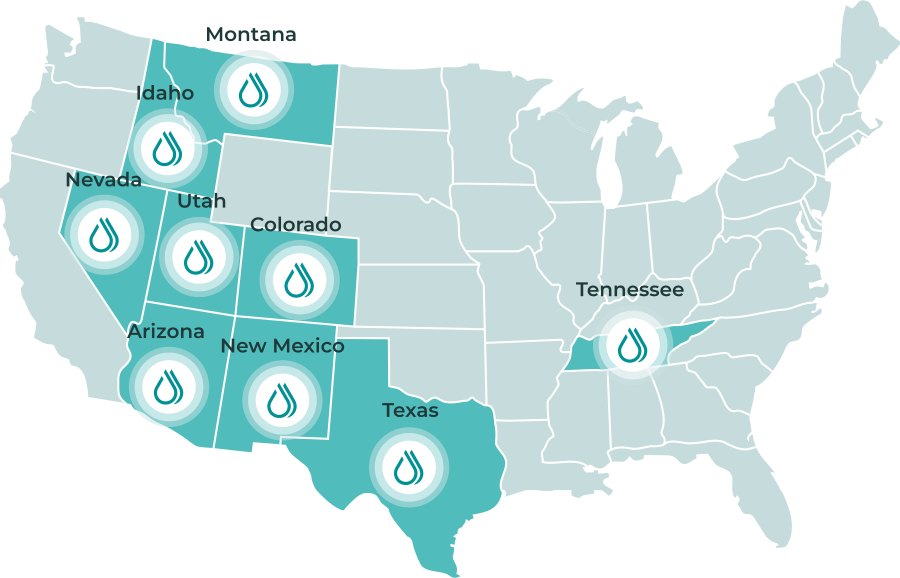
Pure IV serves patients across Arizona, Colorado, Utah, Nevada, Tennessee, New Mexico, Texas, Idaho, and Montana. Same-day service is available in most markets.