IV Therapy for Digestive Issues and Gut Health
Your stomach has been a mess for days. Maybe weeks. Bloating that makes you look six months pregnant by the afternoon. Nausea that rolls in after every meal. Cramping that doubles you over at the worst possible times. You have tried the bland diet, the probiotics, the antacids, the ginger tea. Nothing is working — or it is working so slowly that you cannot tell the difference.
★★★★★ Trusted by 25,000+ satisfied patients
Here is the frustrating part: when your digestive system is the problem, everything you swallow to fix it has to go through the same broken system. Oral supplements, medications, and even water have to pass through your stomach and intestines before your body can use them. If your gut is inflamed, irritated, or not absorbing properly, you are fighting the problem with one hand tied behind your back.
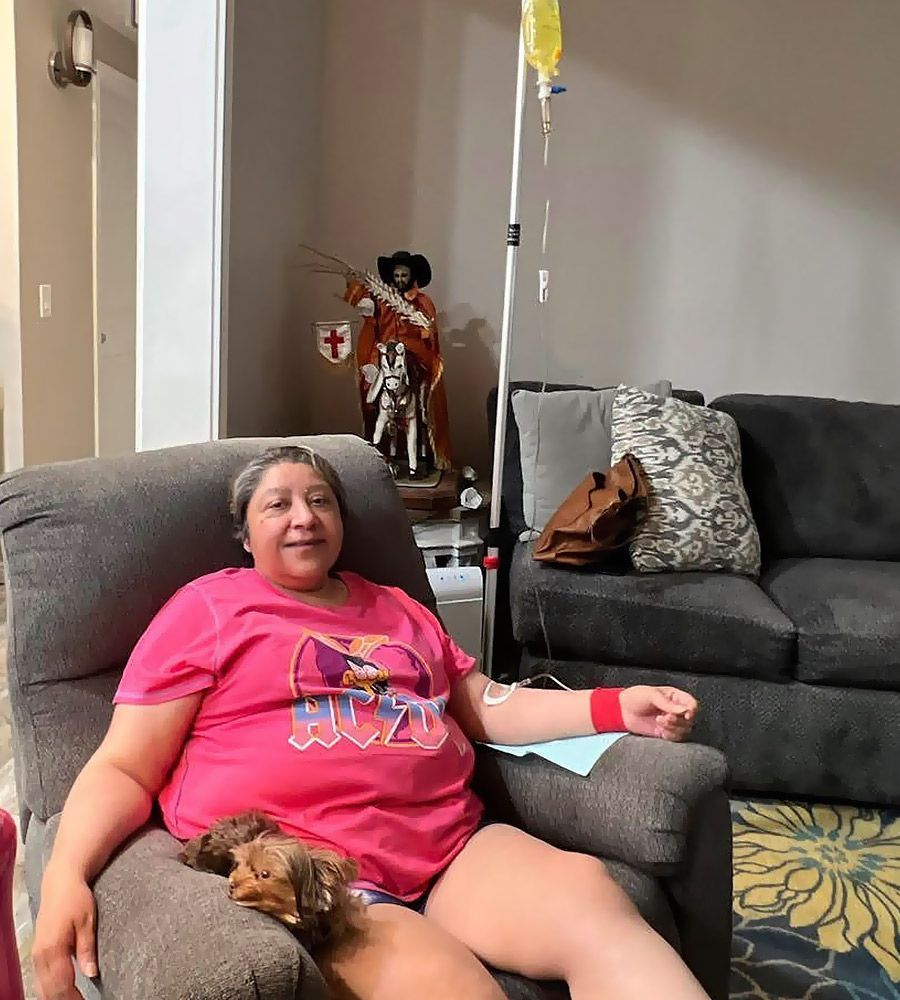
Digestive support IV therapy takes a completely different approach. It bypasses your gut entirely and delivers hydration, electrolytes, anti-nausea medication, anti-inflammatory nutrients, and vitamins directly into your bloodstream. Your stomach never has to process a thing. This means your body gets the hydration and nutrients it desperately needs while your digestive system gets a break from doing the heavy lifting. A licensed nurse or paramedic comes to your home. A Nurse Practitioner reviews and approves every treatment in real time.
This page explains what is actually happening inside your gut when things go wrong, why IV therapy is uniquely effective for digestive problems, and when it makes sense to consider this approach.
Why Digestive Problems Affect Your Entire Body
Most people think of digestive issues as a stomach problem. They are not. Your gut is the central hub of your entire body’s nutrient supply chain. When it breaks down, everything downstream suffers.
Your Gut Controls Nutrient Absorption
Your small intestine is where most nutrient absorption happens. When the intestinal lining is inflamed, damaged, or irritated — whether from IBS, gastritis,
food sensitivities, infection, or chronic stress — its ability to absorb vitamins, minerals, and water decreases. This is called malabsorption. You could be eating perfectly and still be deficient in magnesium, B vitamins, zinc, and other essential nutrients because your gut simply is not absorbing them. This is why people with chronic digestive issues often feel exhausted, foggy, and run down even when they are "eating right."
70% of Your Immune System Lives in Your Gut
Your gut-associated lymphoid tissue (GALT) contains roughly 70% of your body’s immune cells. The gut lining acts as a barrier between the outside world (everything you eat and drink) and your bloodstream. When that barrier is compromised by inflammation, the immune system overreacts. This creates a cycle: inflammation damages the gut lining, the damaged lining lets irritants through, the immune system reacts with more inflammation, and the cycle continues. This is the basic mechanism behind conditions like leaky gut syndrome.
The Gut-Brain Axis
Your gut produces approximately 90% of your body’s serotonin and 50% of its dopamine — the two neurotransmitters most associated with mood, motivation, and well-being. Your gut and brain communicate constantly through the vagus nerve. When your gut is inflamed or out of balance, that communication breaks down. This is why digestive problems so often come with anxiety, brain fog, fatigue, and mood changes. It is not in your head — it is in your gut, and your gut is directly wired to your head.
Dehydration Compounds Everything
Digestive issues frequently cause dehydration. Vomiting and diarrhea cause rapid fluid loss. Nausea prevents you from drinking enough. Even chronic bloating and constipation are linked to inadequate hydration — your colon absorbs water from stool, and when your body is short on fluids, it pulls more water from your intestines, making constipation worse. Dehydration then impairs digestion further because your body needs water to produce digestive enzymes, stomach acid, and bile. It becomes another vicious cycle: gut problems dehydrate you, dehydration makes gut problems worse.
Common Digestive Issues That IV Therapy Can Support
IV therapy does not cure digestive disorders. It supports your body by providing hydration, nutrients, and symptom relief while your gut heals or while you manage a chronic condition. Here are the most common digestive scenarios where patients seek IV support:
| Condition | What Is Happening | How IV Therapy Helps |
|---|---|---|
| IBS (Irritable Bowel Syndrome) | Chronic condition causing cramping, bloating, diarrhea, and/or constipation. Triggered by stress, certain foods, hormonal changes, and gut microbiome imbalances. | Bypasses the sensitive gut to deliver nutrients. Magnesium relaxes intestinal smooth muscle and reduces cramping. Hydration supports regular bowel function. B vitamins support the gut-brain axis. |
| Gastritis | Inflammation of the stomach lining caused by H. pylori infection, NSAID overuse, alcohol, or stress. Causes burning pain, nausea, and vomiting. | Hydration and nutrients bypass the inflamed stomach entirely. Anti-nausea medication (Zofran) can be added. Vitamin C and zinc support tissue repair. |
| Acid Reflux / GERD | Stomach acid flows back into the esophagus, causing heartburn, chest pain, difficulty swallowing, and nausea. Worsened by dehydration and certain foods. | IV hydration supports proper digestive function without putting anything additional through the esophagus and stomach. Pepcid (famotidine) can be added to reduce acid production. |
| Stomach Flu (Viral Gastroenteritis) | Viral infection causing nausea, vomiting, diarrhea, cramping, and fever. Causes rapid dehydration from fluid loss. | Replaces fluids and electrolytes lost to vomiting and diarrhea. Anti-nausea medication stops the vomiting cycle. Delivers nutrients the body needs to fight the infection without relying on the stomach. |
| Bloating and Chronic Constipation | Slow-moving stool, water reabsorption in the colon, gas buildup, and bacterial fermentation cause distention and discomfort. Often linked to dehydration and magnesium deficiency. | Hydration softens stool and supports motility. Magnesium draws water into the intestines and promotes natural bowel movements. B vitamins support metabolic processes that regulate digestion. |
| Post-Antibiotic Gut Disruption | Antibiotics kill beneficial gut bacteria along with harmful ones. This disrupts the microbiome and can cause diarrhea, bloating, and nutrient malabsorption for weeks after treatment ends. | IV nutrients bypass the disrupted gut to deliver what your body needs while the microbiome recovers. Hydration supports the regrowth of beneficial bacteria. Zinc supports immune function and gut lining repair. |
| Malabsorption | The intestines fail to properly absorb nutrients from food. Occurs with celiac disease, Crohn’s, chronic IBS, and after GI surgeries. Causes deficiencies even with adequate diet. | IV delivery provides 100% bioavailability — nutrients go directly into the bloodstream without requiring intestinal absorption. This is the primary advantage of IV therapy for anyone with absorption issues. |
The Bypass Advantage: Why IV Therapy Is Uniquely Effective for Gut Problems
This is the single most important concept on this page. For almost every other condition IV therapy treats — hangovers, altitude sickness, athletic recovery — the IV is faster and more efficient than oral alternatives, but oral alternatives still work. Digestive issues are different. When your gut is the problem, oral solutions are fundamentally limited because they depend on the system that is broken.
The Hydration Catch-22
When you are vomiting or dealing with severe nausea, you cannot keep fluids down. When you have diarrhea, you are losing fluids faster than you can replace them orally. Even sipping water slowly may not be enough if your symptoms are severe. An IV delivers a full liter of saline directly into your bloodstream in 30 to 45 minutes, regardless of what your stomach is doing. This is the same approach hospitals use for patients who cannot tolerate oral fluids.
The Oral Supplement Paradox
If you have IBS, gastritis, or any condition that impairs absorption, the supplements you swallow may never reach your bloodstream at meaningful levels. Magnesium tablets can cause diarrhea in people with sensitive guts — making the problem worse while trying to fix it. Oral vitamin C can cause stomach cramping and nausea at higher doses. Even probiotics, which are designed to help gut health, must survive stomach acid and reach the intestines intact, and many do not.
IV therapy eliminates this paradox entirely. The nutrients go straight into your blood. Your gut does not have to process, break down, or absorb anything. For people with chronic digestive issues, this is not just a convenience — it is the difference between getting nutrients and not getting them.
Medication Delivery When You Cannot Swallow
Anti-nausea pills are hard to take when you are actively nauseous. Pain medication can irritate an already inflamed stomach. IV delivery solves both problems. The NP can prescribe Zofran (ondansetron) for nausea, Pepcid (famotidine) for acid reduction, and Toradol (ketorolac) for pain and inflammation — all delivered intravenously, bypassing the stomach completely.
What Is Inside a Digestive Support IV?
The formulation targets the specific problems caused by digestive issues: dehydration, nutrient depletion, inflammation, and uncomfortable symptoms.
| Ingredient | What It Does | Why It Matters for Digestive Issues |
|---|---|---|
| Normal Saline (0.9% NaCl) | Restores fluid volume and rehydrates every cell in the body | Replaces fluid lost to vomiting, diarrhea, and poor oral intake. Proper hydration is essential for digestive enzyme production, bile flow, and intestinal motility. One liter delivered in 30–45 minutes. |
| Magnesium | Relaxes smooth muscle, supports enzymatic processes, and draws water into the intestines | Magnesium relaxes the intestinal smooth muscle that causes cramping and spasms. It also acts as a natural osmotic laxative — pulling water into the bowel to support motility for constipation-dominant conditions. Magnesium deficiency is extremely common in people with chronic GI issues. |
| B-Complex Vitamins | Supports energy production, nervous system function, and gut microbiome health | B vitamins are absorbed in the small intestine — the exact area compromised by most digestive disorders. IV delivery ensures your body actually gets them. B vitamins also support the gut-brain axis and help reduce the fatigue and brain fog that accompany chronic digestive problems. |
| Vitamin B12 | Essential for nerve function, red blood cell production, and energy metabolism | B12 is absorbed in the terminal ileum (end of the small intestine) and is one of the first nutrients to become deficient in people with GI disorders. B12 deficiency causes fatigue, brain fog, tingling, and weakness — symptoms that overlap with and worsen digestive distress. |
| Zinc | Supports immune function, gut lining integrity, and tissue repair | Zinc is critical for maintaining the intestinal barrier. Research shows zinc supplementation reduces intestinal permeability ("leaky gut") and supports the repair of damaged gut lining. Zinc also regulates immune cells in the gut and reduces inflammation. |
| Vitamin C (Ascorbic Acid) | Antioxidant that reduces inflammation and supports tissue healing | Vitamin C reduces oxidative stress in the intestinal lining and supports collagen production needed for gut tissue repair. Oral vitamin C at therapeutic doses causes GI distress in many people — IV delivery avoids this problem entirely. |
When to Get a Digestive Support IV vs. When to See a Doctor
IV therapy is appropriate for symptom management and nutritional support. It is not a diagnostic tool, and it does not replace medical evaluation for serious or persistent GI conditions.
A Digestive Support IV Can Help With
- Bloating, gas, and abdominal discomfort that is recurring but not worsening
- Nausea and vomiting from a stomach bug, food reaction, or medication side effects
- IBS flare-ups with cramping, diarrhea, or constipation
- Dehydration from vomiting or diarrhea that is not responding to oral fluids
- Fatigue and brain fog related to chronic digestive issues
- Post-antibiotic gut disruption with diarrhea and malabsorption
- General gut health support as part of an ongoing wellness plan
- GLP-1 medication side effects (nausea, vomiting, dehydration) from semaglutide or tirzepatide
See Your Doctor or Go to the ER If You Experience
- Blood in your stool or vomit
- Severe abdominal pain that is sudden and getting worse
- Inability to keep any fluids down for more than 24 hours
- Fever above 103°F with abdominal symptoms
- Significant unexplained weight loss
- Symptoms of a bowel obstruction: severe bloating, no gas or bowel movements, vomiting
- New or worsening symptoms that have not been evaluated by a physician
Supporting Your Digestive Health Between IV Treatments
An IV gives your body a significant boost, but daily habits determine whether you stay ahead of the cycle or slide back into symptoms. These are practical, evidence-based strategies:
Hydration
- Drink at least half your body weight in ounces of water daily. If you weigh 160 pounds, that is 80 ounces minimum.
- Drink water between meals rather than during meals. Large amounts of liquid during meals can dilute stomach acid and impair digestion.
- If you live in a dry climate (Arizona, Nevada, Colorado, New Mexico), add electrolytes to your water once a day. You are losing more fluid through respiration and sweat than you realize.
Nutrition
- Eat smaller, more frequent meals rather than three large ones. This reduces the workload on your digestive system at any given time.
- Identify your trigger foods. Common culprits include dairy, gluten, high-FODMAP foods, artificial sweeteners, carbonated beverages, and alcohol. An elimination diet supervised by a healthcare provider can help pinpoint specific triggers.
- Increase soluble fiber gradually. Soluble fiber (oats, bananas, sweet potatoes, avocados) feeds beneficial gut bacteria and supports regular bowel movements. Too much too fast can cause bloating, so increase slowly.
Gut Microbiome Support
- Probiotic-rich foods like yogurt, kefir, sauerkraut, kimchi, and kombucha can support beneficial bacteria. Start with small amounts if your gut is sensitive.
- Prebiotic foods (garlic, onions, asparagus, bananas, oats) feed the good bacteria already in your gut.
- If you recently finished antibiotics, give your microbiome extra support for 4 to 8 weeks. Antibiotics can disrupt gut flora for months.
Stress Management
- The gut-brain axis means your digestive system responds directly to stress. Chronic stress increases cortisol, which alters gut motility, increases intestinal permeability, and disrupts the microbiome.
- Even 10 to 15 minutes of daily stress reduction (deep breathing, walking, stretching) can measurably improve digestive symptoms.
Why Choose Pure IV for Digestive Support IV Therapy?
When your stomach is a disaster, the last thing you want is more hassle. Here is why Pure IV makes this as easy as possible:
Physician-Owned
Pure IV is owned and operated by physicians with equity in the company. The clinical protocols, IV formulations, and safety standards are set by doctors — not a franchise model.
Real-Time NP Oversight
Every treatment is reviewed and approved by a Nurse Practitioner before it begins. The NP evaluates your health history, current medications, and symptoms before prescribing any medication add-ons. This is especially important for digestive issues, where medication interactions and contraindications are common.
Licensed RNs and Paramedics
Your IV is administered by a licensed Registered Nurse or paramedic — the same professionals who work in hospitals and emergency departments.
No Hidden Fees
The price you see is the price you pay. No travel fees. No service fees. No surprise charges.
Same-Day Service
When you are doubled over with cramps or cannot stop throwing up, you do not want to wait three days for an appointment. Text or call and we will be at your door the same day.
Comfortable and Private
Digestive issues are embarrassing enough. You stay in your own space. No waiting room. No explaining your symptoms to a receptionist. Just a licensed nurse, an IV, and relief.
HSA/FSA Accepted
Use your Health Savings Account or Flexible Spending Account to pay for your treatment.
Frequently Asked Questions About Digestive Support IV Therapy
Can IV therapy cure IBS or other chronic digestive conditions?
No. IV therapy does not cure IBS, Crohn’s disease, GERD, celiac disease, or any other chronic digestive condition. These are complex conditions that require ongoing management with a gastroenterologist. What IV therapy can do is provide symptom relief during flare-ups, correct dehydration, and deliver the nutrients your body is not absorbing properly through your compromised gut. Many patients with chronic GI conditions use IV therapy as one part of their broader management plan.
How does an IV help if the problem is in my stomach?
That is exactly why IV therapy works for digestive issues. The IV goes into a vein in your arm, not into your stomach. Every nutrient, every medication, and every drop of hydration enters your bloodstream directly without touching your digestive system. Your stomach and intestines get a break while your body still receives everything it needs.
Can I get a digestive IV if I am actively vomiting?
Yes. This is one of the most common reasons patients call us. If you cannot keep fluids or medication down, an IV is often the best option because it bypasses your stomach entirely. The NP can also prescribe anti-nausea medication (Zofran) through the IV to stop the vomiting.
Is this helpful for GLP-1 medication side effects (Ozempic, Wegovy, Mounjaro)?
Yes. GLP-1 receptor agonists like semaglutide and tirzepatide commonly cause nausea, vomiting, and dehydration — especially in the first few weeks of treatment or after dose increases. An IV delivers hydration and anti-nausea medication without requiring your stomach to process anything. We see this frequently and it is one of the fastest-growing reasons patients contact us.
How often should I get digestive support IVs?
It depends on your condition. For acute situations (stomach flu, food poisoning, severe GLP-1 side effects), a single IV may be all you need. For chronic conditions like IBS, some patients schedule monthly treatments as part of their wellness routine, especially during flare-up seasons. The NP can help you determine the right frequency based on your specific situation.
Will the IV upset my stomach?
No. The IV does not enter your digestive system at all. Some patients feel a cool sensation in their arm during the infusion, and magnesium can cause a brief warming feeling, but neither of these involves your stomach. The entire point of IV therapy for digestive issues is to avoid putting anything through your gut.
Can I get a digestive IV at my home?
Yes. Pure IV is a mobile service. A licensed nurse or paramedic comes to your home, office, hotel, or any other convenient location. Most treatments take 30 to 45 minutes. When you are dealing with digestive distress, staying home is usually the most comfortable option.
Do you accept HSA or FSA?
Yes. Pure IV accepts HSA and FSA payments for all IV treatments.
Your Gut Cannot Fix Itself If It Cannot Absorb What You Give It
That is the core problem with digestive issues. The system responsible for absorbing nutrients is the same system that is broken. Every pill, supplement, and glass of water you swallow has to pass through the problem before it can help. An IV goes around the problem entirely.
Digestive support IV therapy delivers hydration, nutrients, and medication directly into your bloodstream — at your home, on your schedule. A licensed nurse handles everything. A Nurse Practitioner approves every treatment. You stay comfortable while your body gets what it needs to start feeling better.
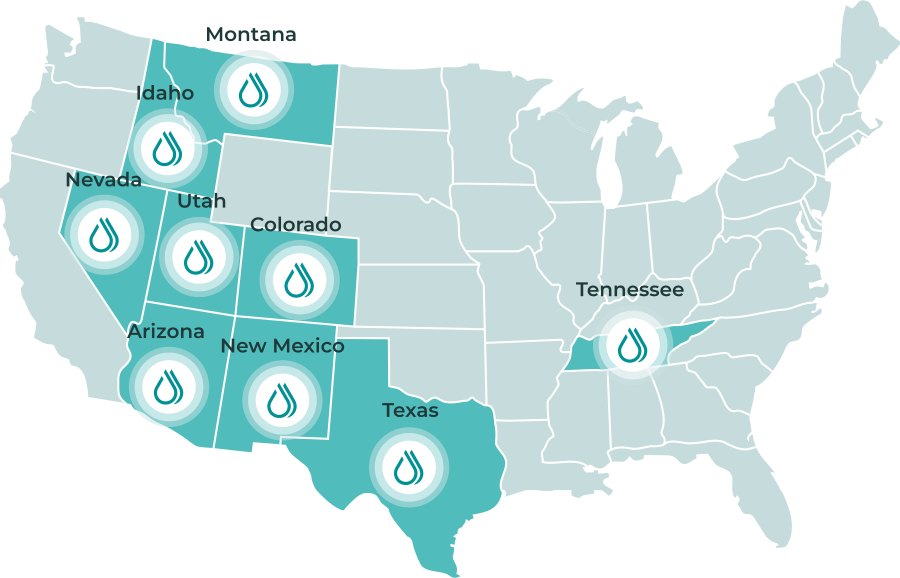
Pure IV serves patients across Arizona, Colorado, Utah, Nevada, Tennessee, New Mexico, Texas, Idaho, and Montana. Same-day service is available in most markets.