IV Therapy for Detox and Full-Body Reset
Let’s be honest about detoxing. The word “detox” has been hijacked by juice cleanses, charcoal supplements, and Instagram products that promise to “flush toxins” with no real science behind them. But the actual process of detoxification — the real, biochemical process that keeps you alive — is something your body does every single day. Your liver, kidneys, lymphatic system, and skin are constantly identifying, neutralizing, and removing harmful substances from your body. That is their job.
★★★★★ Trusted by 25,000+ satisfied patients
The problem is not that your body cannot detox. The problem is that your body’s detox systems need specific raw materials to function at full capacity: hydration, glutathione, vitamin C, magnesium, B vitamins, and zinc. When you are sleep-deprived, stressed, dehydrated, eating poorly, drinking alcohol, breathing polluted air, or recovering from illness, your body’s demand for these resources increases while your supply decreases. Your liver and kidneys still work, but they work slower and less efficiently. That is when you feel it — the sluggishness, the brain fog, the dull skin, the fatigue that coffee cannot fix.
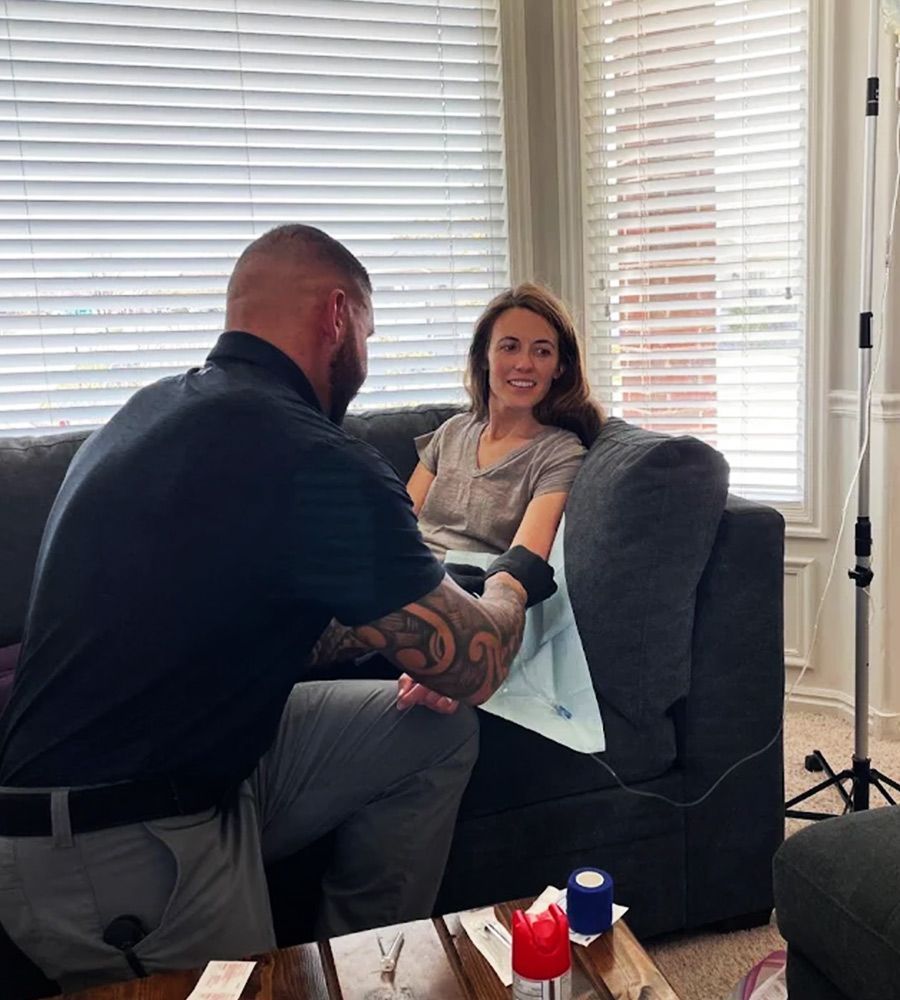
Detox IV therapy does not replace your body’s detoxification system. It fuels it. It delivers the specific nutrients your liver and kidneys use to process and eliminate waste, at concentrations your digestive system cannot match. A licensed nurse or paramedic comes to your home. A Nurse Practitioner approves every treatment in real time.
How Your Body Actually Detoxifies Itself
Before we talk about what an IV can do, you need to understand what your body is already doing. This is where most detox marketing falls apart — it skips the science and jumps to the sales pitch. We are going to do the opposite.
Phase I: The Liver Identifies and Activates Toxins
Your liver is the primary detoxification organ. In Phase I detoxification, liver enzymes (called cytochrome P450 enzymes) identify harmful substances — alcohol, medications, environmental chemicals, metabolic waste products — and chemically activate them for processing. This phase converts fat-soluble toxins into intermediate compounds that can be processed in Phase II. These intermediate compounds are often more reactive and potentially more harmful than the original toxin, which is why Phase II needs to happen quickly and efficiently.
Phase II: The Liver Neutralizes and Packages Toxins
In Phase II, the liver attaches (conjugates) these activated toxins to molecules that make them water-soluble and non-toxic. The most important molecule in this process is glutathione — often called the body’s “master antioxidant.” Glutathione binds to toxins and neutralizes them so they can be safely eliminated. Vitamin C, B vitamins, magnesium, zinc, and amino acids are all essential co-factors in Phase II reactions. Without adequate levels of these nutrients, Phase II slows down and those reactive intermediate compounds from Phase I accumulate.
Phase III: Elimination Through Kidneys, Bile, and Skin
The neutralized, water-soluble toxins are then eliminated from your body through your kidneys (urine), bile (stool), lungs (exhalation), and skin (sweat). Your kidneys filter approximately 200 liters of blood per day and require adequate hydration to function properly. When you are dehydrated, kidney filtration slows, and waste products accumulate in your blood. This is one reason dehydration makes you feel so terrible — your kidneys cannot keep up.
The Bottleneck Problem
Your body’s detox system is only as fast as its slowest step. If you are low on glutathione, Phase II backs up. If you are dehydrated, Phase III backs up. If you are deficient in B vitamins or magnesium, the enzymatic reactions slow down across the board. The result is the same: waste products and reactive compounds accumulate, and you feel sluggish, foggy, and run down. This is not pseudoscience — this is basic hepatology and biochemistry.
When Your Body’s Detox System Needs Extra Support
Your liver and kidneys handle normal daily loads just fine. But there are situations that increase the toxic load or deplete the nutrients these organs need:
| Scenario | What Is Happening | Why IV Support Helps |
|---|---|---|
| After a Weekend of Alcohol | Alcohol is metabolized by the liver using the same Phase I/II pathways. Heavy drinking depletes glutathione rapidly, generates acetaldehyde (a toxic intermediate), and causes significant dehydration. | Glutathione replenishment directly supports Phase II processing of alcohol metabolites. Hydration supports kidney filtration. B vitamins replace the stores alcohol depletes. |
| Extended Travel | Flying dehydrates you (cabin humidity is 10–20%). Different time zones disrupt circadian rhythms that regulate liver detox cycles. Airport food is typically processed and inflammatory. Jet lag impairs sleep, which is when the brain’s glymphatic system does its own detox. | Rapid rehydration restores kidney function. B vitamins and magnesium support the metabolic processes disrupted by circadian rhythm changes. Glutathione supports the liver through the backlog. |
| Periods of Poor Diet | Processed foods, excess sugar, and inflammatory oils increase the metabolic burden on the liver. Low vegetable and fiber intake reduces the bile-mediated elimination pathway. You are producing more waste while consuming fewer of the nutrients needed to process it. | IV nutrients bypass the compromised gut and deliver the co-factors your liver needs at therapeutic concentrations. Hydration supports all elimination pathways. |
| High Stress Periods | Chronic stress elevates cortisol, which impairs liver function, increases oxidative stress, and depletes magnesium, vitamin C, and B vitamins. Stress also disrupts sleep and gut function, both of which are involved in detoxification. | Magnesium, B vitamins, and vitamin C directly replace the nutrients burned by the stress response. Glutathione counters the elevated oxidative stress. Hydration supports baseline organ function. |
| Environmental Exposure | Wildfire smoke, air pollution, chemical exposure at work, and even indoor pollutants increase the oxidative and toxic load on the liver. Living in major metro areas means constant low-level exposure. | Antioxidants (glutathione, vitamin C) neutralize the reactive oxygen species generated by environmental toxin exposure. Supporting liver function helps process the increased toxic load. |
| After Illness or Antibiotics | Illness increases metabolic waste. Antibiotics kill gut bacteria that play a role in toxin metabolism and elimination. Medications themselves must be processed by the liver. | Hydration and nutrients support recovery. Zinc and vitamin C support immune function. B vitamins help restore energy production impaired by illness. |
| General “Reset” | Sometimes you just feel off — sluggish, foggy, tired, skin looks dull. You have not been sleeping well, eating well, or drinking enough water. Nothing is specifically wrong, but nothing feels right. | A detox IV provides a comprehensive nutrient and hydration reset that addresses the most common subclinical deficiencies simultaneously. Many patients describe it as “clearing the fog.” |
What Is Inside a Detox and Cleanse IV?
Each ingredient directly supports one or more phases of your body’s natural detoxification process. Nothing in this IV detoxes you on its own. Everything in this IV helps your liver, kidneys, and cells do their job better.
| Ingredient | What It Does | Role in Detoxification |
|---|---|---|
| Glutathione | The body’s most powerful endogenous antioxidant. Produced in the liver. Neutralizes free radicals and binds to toxins for elimination. | Glutathione is THE critical molecule in Phase II liver detoxification. It directly conjugates (binds to) activated toxins, neutralizing them for safe elimination. Your liver cannot complete Phase II without adequate glutathione. IV delivery provides concentrations that oral glutathione cannot match because oral glutathione is largely destroyed by stomach acid. |
| Vitamin C (Ascorbic Acid) | Water-soluble antioxidant that neutralizes free radicals and regenerates other antioxidants including glutathione | Vitamin C scavenges the reactive oxygen species generated during Phase I liver detoxification. It also regenerates glutathione that has been used up, effectively recycling your body’s antioxidant supply. At IV concentrations, vitamin C reaches levels 50 to 70 times higher than what is achievable orally. |
| Normal Saline (0.9% NaCl) | Restores fluid volume and rehydrates cells, tissues, and organs | Your kidneys filter 200 liters of blood per day and need adequate hydration to maintain that rate. Dehydration directly slows waste elimination. One liter of saline in 30–45 minutes restores the fluid your kidneys and liver need to operate at capacity. |
| B-Complex Vitamins | Essential co-factors for hundreds of enzymatic reactions including energy production and methylation | B vitamins are required co-factors in both Phase I and Phase II liver detoxification. B2 (riboflavin), B3 (niacin), B6, B12, and folate all participate in the enzymatic reactions that activate and neutralize toxins. B vitamins are water-soluble and not stored, so they need constant replenishment. |
| Magnesium | Supports over 300 enzymatic processes, relaxes smooth muscle, and has anti-inflammatory properties | Magnesium is a co-factor in Phase I and Phase II detoxification enzymes. It also supports the bowel motility needed for bile-mediated toxin elimination (Phase III). Magnesium deficiency is one of the most common nutritional deficiencies in the US. |
| Zinc | Supports immune function, enzymatic activity, and cellular repair | Zinc is required for the function of over 100 enzymes involved in detoxification and cellular repair. It supports liver cell integrity and helps maintain the gut lining that acts as a barrier against toxin absorption. |
| Vitamin B12 | Supports methylation, nerve function, and red blood cell production | B12 is essential for the methylation pathway, one of the key Phase II detoxification reactions. Methylation is how your body processes and eliminates homocysteine, estrogens, heavy metals, and other compounds. B12 deficiency impairs this pathway directly. |
An Honest Comparison: Detox IV vs. Popular “Detox” Products
We are going to be direct about this because we think you deserve honesty, not marketing.
| Method | What It Actually Does | Honest Assessment |
|---|---|---|
| Juice Cleanses | Provides vitamins and hydration from fruit and vegetable juice. Restricts solid food intake for 1–7 days. | The vitamins and hydration help, but the “cleansing” effect is primarily from caloric restriction and increased fluid intake. There is no scientific evidence that juice cleanses remove toxins faster than your liver already does. Can cause blood sugar spikes and muscle loss from protein deficiency. |
| Activated Charcoal Supplements | Activated charcoal binds to substances in the GI tract and is used in emergency medicine for acute poisoning. | Effective for acute oral poisoning within 1–2 hours of ingestion. Not effective for “daily detox” because it binds indiscriminately to substances in your gut — including medications and beneficial nutrients. Can cause constipation and interfere with medication absorption. |
| Detox Teas | Most contain caffeine, herbal laxatives (senna), and diuretics. The “cleansing” effect is primarily from increased urination and bowel movements. | Moving more water through your kidneys and more stool through your intestines does help elimination, but it can also cause dehydration and electrolyte imbalances. The laxative effect is not detoxification — it is a laxative. |
| Oral Glutathione Supplements | Provides glutathione in pill or capsule form. | Oral glutathione has poor bioavailability because it is largely broken down by stomach acid and digestive enzymes before it reaches your bloodstream. Liposomal forms are better but still far less effective than IV delivery. IV glutathione provides the full molecule directly to your liver. |
| Sauna / Sweating | Heat induces sweating, which eliminates small amounts of heavy metals and waste through the skin (Phase III). | Legitimate Phase III support. Sweating does eliminate trace amounts of toxins. However, the quantities are small compared to what your liver and kidneys process. Saunas are beneficial for relaxation and circulation but should not be relied upon as a primary detoxification method. Stay hydrated. |
| Detox IV Therapy | Delivers glutathione, vitamin C, B vitamins, magnesium, zinc, and hydration directly into the bloodstream at 100% bioavailability. Specifically fuels the Phase I, II, and III detoxification pathways. | Does not detox your body on its own. Provides the specific raw materials your liver and kidneys use to detox at their maximum capacity. Most effective when combined with adequate sleep, hydration, and a nutrient-dense diet. The IV gets you back to baseline faster when you have fallen behind. |
Notice that we listed the limitations of our own service. That is intentional. Detox IV therapy is not a magic bullet. It is a targeted nutrient delivery system that supports your body’s natural detoxification. If anyone tells you their product “flushes toxins” without explaining the actual biochemistry, they are selling marketing, not medicine.
Supporting Your Body’s Detox Systems Every Day
An IV provides a powerful reset, but your liver and kidneys work 24/7. These habits keep them running at full capacity between treatments:
Hydration
- Drink at least half your body weight in ounces of water daily. Your kidneys need water to filter waste. Dehydration is the single most common reason detox pathways slow down.
- In dry climates (Arizona, Nevada, Colorado, New Mexico), you need more water than the national average because you lose additional fluid through respiration and evaporation.
Nutrition That Supports Liver Function
- Cruciferous vegetables (broccoli, cauliflower, Brussels sprouts, kale) contain sulforaphane, which directly activates Phase II liver detox enzymes.
- Garlic and onions contain sulfur compounds that support glutathione production.
- Beets contain betaine, which supports the methylation pathway in Phase II.
- Limit alcohol. Your liver can only process approximately one standard drink per hour. Everything beyond that creates a backlog of toxic acetaldehyde.
Sleep
- Your brain has its own detox system called the glymphatic system, which clears metabolic waste (including amyloid-beta) primarily during deep sleep. Seven to nine hours of quality sleep is essential for this process.
- Your liver’s detoxification activity also follows circadian rhythms and is most active during sleep.
Movement
- Exercise increases blood flow to the liver and kidneys, improving their filtration rate. It also promotes lymphatic circulation, which does not have its own pump and relies on muscle contractions to move lymph fluid.
- Sweating during exercise provides modest Phase III toxin elimination through the skin.
Reduce Incoming Toxic Load
- Choose whole, unprocessed foods over packaged foods with artificial additives.
- Use an air purifier in your home, especially in cities with high pollution or during wildfire season (relevant for most Pure IV markets).
- Switch to glass or stainless steel food containers instead of plastic, which can leach endocrine-disrupting chemicals when heated.
What Actually Causes a Hangover?
Most people assume hangovers are just dehydration. That’s part of it, but the full picture is more complicated. A hangover is actually your body dealing with multiple problems at the same time. Here’s what’s happening inside your body after a night of heavy drinking:
Dehydration and Electrolyte Loss
Alcohol is a diuretic — it tells your kidneys to produce more urine than normal. Research shows that drinking about 4 standard drinks can cause your body to eliminate 600 to 1,000 mL of extra fluid over several hours. That’s up to a full quart of water your body loses on top of what it normally would. This fluid loss pulls electrolytes like sodium, potassium, and magnesium out with it. The result? Thirst, dry mouth, headaches, dizziness, and that overall “wrung out” feeling.
Acetaldehyde Buildup
When your liver processes alcohol, it breaks it down in two steps. First, an enzyme called alcohol dehydrogenase converts ethanol (the alcohol you drank) into acetaldehyde. Then a second enzyme converts acetaldehyde into harmless acetate. The problem? Acetaldehyde is toxic — between 10 and 30 times more toxic than the alcohol itself. When you drink heavily, your liver can’t convert acetaldehyde fast enough. It builds up in your system and causes nausea, vomiting, sweating, and a rapid heartbeat. This is one of the biggest drivers of that “I feel like I’m dying” hangover feeling.
Inflammation and Immune Response
Alcohol triggers your immune system to release inflammatory chemicals called cytokines. These are the same chemicals your body produces when you’re fighting an infection — which is why a bad hangover can feel a lot like being sick. Cytokines cause headaches, body aches, fatigue, nausea, and brain fog. They can even interfere with memory formation, which is why you might not remember parts of the night before.
Stomach Irritation
Alcohol directly irritates and inflames the lining of your stomach and intestines. It increases stomach acid production and slows down the rate at which your stomach empties. This combination causes the nausea, stomach pain, and sometimes vomiting or diarrhea that make hangovers so miserable.
Blood Sugar Drops
Your liver is so busy processing alcohol that it can’t properly regulate your blood sugar. This can cause blood sugar levels to drop, leading to shakiness, weakness, fatigue, and mood changes. If you’re diabetic, this effect can be even more pronounced and potentially dangerous.
Sleep Disruption
Alcohol might help you fall asleep, but it wrecks the quality of your sleep. It blocks the deeper stages of sleep (called REM sleep) that your brain and body need to restore themselves. This is why you can sleep for 8+ hours after drinking and still wake up feeling exhausted, foggy, and irritable.
Congeners: Why Some Drinks Cause Worse Hangovers
Not all alcoholic drinks are created equal when it comes to hangovers. Darker liquors like bourbon, whiskey, red wine, and brandy contain higher levels of compounds called congeners — chemical byproducts of fermentation that contribute to taste, color, and smell. Congeners include substances like methanol, which your body converts into formaldehyde and formic acid (both highly toxic). This is why a night of bourbon tends to produce a worse hangover than the same amount of vodka or gin, which contain far fewer congeners.
➤ Need fast hangover relief? Check out our Hangover IV package:
Why Most Hangover Remedies Don’t Work
Let’s be honest — everyone has a “cure” for hangovers. Your college roommate swears by a greasy breakfast. Your coworker drinks pickle juice. The internet says activated charcoal. But when it comes to actual evidence, most popular hangover remedies don’t hold up.
“Hair of the Dog” (Drinking More Alcohol)
This is the oldest hangover myth in the book. Drinking more alcohol the morning after might temporarily mask symptoms because you’re getting buzzed again — but you’re just delaying the inevitable. Your liver still has to process all that alcohol eventually. When the hangover finally catches up, it’s usually worse than it would have been. The National Institute on Alcohol Abuse and Alcoholism is clear: there is no scientific evidence that this works.
Coffee
Caffeine might help with a headache and make you feel more alert temporarily, but it’s also a diuretic — meaning it makes you pee more and can make dehydration worse. And it does nothing to address nausea, inflammation, or the toxic byproducts your liver is still processing.
Greasy Food
Eating a big, greasy meal before drinking can slow alcohol absorption, which may reduce hangover severity. But eating greasy food after you’re already hungover? It’s more likely to make your nausea worse. Your stomach is already irritated and inflamed — dumping heavy, fatty food on top of that is usually not the answer.
Sports Drinks
Sports drinks like Gatorade can help with mild dehydration because they contain electrolytes. But they also contain a lot of sugar, and they still have to pass through your stomach — which may not be cooperating. If you’re vomiting, sports drinks aren’t going to stay down long enough to help.
Over-the-Counter Pain Relievers
Ibuprofen (Advil) can help with headaches and body aches, but it can also further irritate your already-inflamed stomach lining. Acetaminophen (Tylenol) is especially risky because your liver is already working overtime to process alcohol — adding Tylenol puts additional strain on it. Aspirin can also increase stomach irritation and bleeding risk.
The bottom line: most hangover remedies either don’t work, only address one symptom, or can actually make things worse. Effective hangover recovery needs to address multiple problems simultaneously — dehydration, electrolyte loss, inflammation, nausea, and nutrient depletion. That’s exactly what IV therapy does.
How IV Therapy Treats Hangover Symptoms
IV therapy is the most comprehensive approach to hangover relief because it tackles every major cause of your symptoms at the same time. Here’s how each component works:
IV Fluids (Lactated Ringer’s): Rapid rehydration that bypasses your stomach. One liter of IV fluids rehydrates you faster and more completely than drinking several bottles of water — especially important when you’re too nauseous to keep anything down.
Anti-Nausea Medication (Zofran/Ondansetron): This is the same medication hospitals use to stop nausea and vomiting. Delivered directly into your bloodstream, it works within minutes — not the 30-60 minutes it takes for an oral anti-nausea pill (if you can even keep one down).
Anti-Inflammatory Pain Medication (Toradol/Ketorolac):
A powerful, non-narcotic anti-inflammatory that’s far more effective than ibuprofen for hangover headaches and body aches. Unlike acetaminophen, Toradol doesn’t put extra strain on your liver.
B Complex Vitamins: Alcohol depletes your B vitamins, which are essential for energy production, brain function, and metabolism. Replenishing them through an IV restores what alcohol took away and helps your body recover faster.
Vitamin B12: Supports energy levels and neurological function. Alcohol interferes with B12 absorption, so IV delivery ensures your body actually gets what it needs.
Magnesium: Alcohol causes significant magnesium loss. Low magnesium contributes to muscle cramps, headaches, irritability, and fatigue — all classic hangover symptoms. IV magnesium helps restore balance quickly.
Vitamin C: A powerful antioxidant that helps your body fight the oxidative stress caused by alcohol metabolism. It supports your immune system and helps your liver process toxins more efficiently.
Glutathione (available as an add-on): Known as the “master antioxidant,” glutathione plays a direct role in helping your liver break down acetaldehyde — the toxic byproduct that causes many of the worst hangover symptoms. Alcohol depletes your body’s glutathione stores, so replenishing it can accelerate your recovery.
Hangover Remedies Compared: What Actually Works?
| Remedy | Addresses Dehydration? | Stops Nausea? | Relieves Pain? |
|---|---|---|---|
| Water | Partially (slow absorption) | No | No |
| Sports Drinks | Partially (slow, sugar-heavy) | No | No |
| Coffee | No (makes it worse) | No (can increase it) | Mild headache relief |
| Ibuprofen | No | No (irritates stomach) | Yes (limited) |
| Greasy Food | No | Can make it worse | No |
| IV Therapy | Yes (100% absorption, immediate) | Yes (anti-nausea medication included) | Yes (Toradol, more effective than OTC) |
This doesn’t mean you should stop drinking water. Staying hydrated daily is still the best way to prevent dehydration. But when dehydration has already set in and you need fast relief, IV therapy gets you there faster.
Altitude Makes Hangovers Worse — Here’s Why That Matters
If you’re drinking in Colorado, Utah, Montana, Idaho, or any high-altitude destination, your hangovers are going to be significantly worse than they’d be at sea level. This isn’t in your head — there’s a real physiological reason.
At higher elevations, the air is drier and your breathing rate increases. Both of these accelerate fluid loss. Your body is already working harder to adjust to the altitude, which burns through water and electrolytes faster than normal. Add alcohol — a diuretic that also impairs your body’s ability to acclimatize — and you’re setting yourself up for a hangover that’s far more severe than what you’d experience at sea level.a
Research also suggests that alcohol’s effects feel stronger at altitude because lower oxygen levels may impair your body’s ability to metabolize alcohol efficiently. This means you may feel drunker from fewer drinks, and the resulting hangover hits harder.
Pure IV serves multiple high-altitude markets including Denver, Park City, Salt Lake City, Boise, and Bozeman. If you’re visiting any of these areas and planning to drink, proactive hydration — including a pre-event IV — can make a meaningful difference in how you feel the next morning.
➤ Heading out tonight? Get ahead of the hangover:
When Should You Get IV Therapy for a Hangover?
IV therapy for hangovers isn’t just for people who went way too hard. Many people use it in everyday situations where they want to recover quickly and get on with their day:
- After a night out when you’re too nauseous to eat or drink anything
- The morning of an important meeting, flight, or family event when you can’t afford to be down
- During bachelor or bachelorette party weekends when you need to rally for multiple days
- After wedding receptions, holiday parties, or corporate events
- During festival or concert weekends (looking at you, Vegas and Nashville)
- After drinking at altitude in Colorado, Utah, Montana, or Idaho
- When over-the-counter remedies aren’t cutting it and you need real relief
- Proactively before a big event — some people book a pre-event IV to start the night fully hydrated
Why Choose Pure IV for Detox IV Therapy?
Physician-Owned:
Pure IV is owned and operated by physicians with equity in the company. Our detox formulations are built on actual hepatology and biochemistry, not wellness marketing.
Real-Time NP Oversight:
Every treatment is reviewed and approved by a Nurse Practitioner. The NP reviews your health history and current medications before approving any treatment — including glutathione dosing.
Licensed RNs and Paramedics:
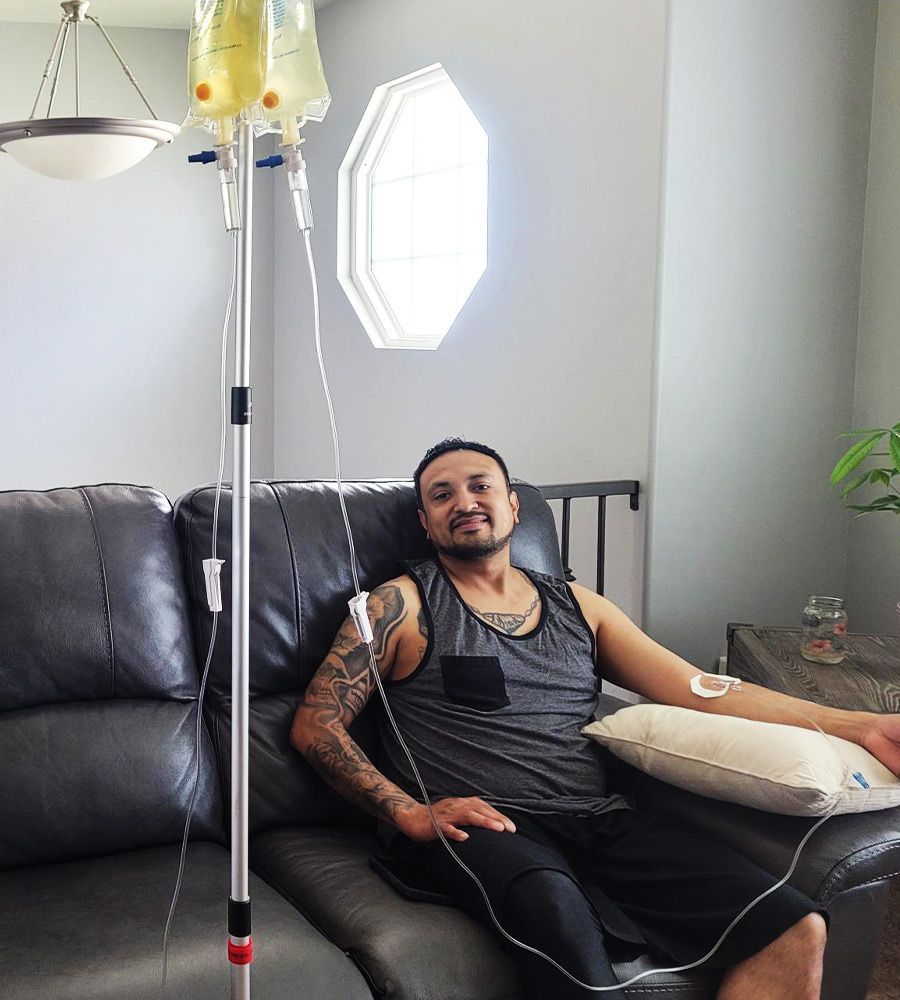
Your IV is administered by a licensed Registered Nurse or paramedic experienced in IV therapy.
Honest Positioning:
We do not claim to "flush toxins" from your body. We provide the specific nutrients your liver and kidneys use to do their job at full capacity. We believe honesty builds more trust than hype.
No Hidden Fees:
The price you see is the price you pay. No travel fees. No surprise charges.
Same-Day Service:
Text or call and we will have a nurse at your door the same day.
HSA/FSA Accepted:
Use your Health Savings Account or Flexible Spending Account to pay for your treatment.
Why Choose Pure IV for Dehydration Treatment?
Not all mobile IV therapy services are created equal. Here’s what makes Pure IV different:
Real-Time Nurse Practitioner Approval: Before your IV starts, a licensed Nurse Practitioner reviews your health information and approves your treatment in real time. This isn’t a rubber stamp — it’s a genuine medical review to make sure you’re getting the right treatment safely. Most mobile IV companies don’t offer this level of oversight.
Licensed Medical Professionals Only: Every Pure IV treatment is administered by a licensed Registered Nurse or Paramedic with IV therapy experience. No shortcuts, no unlicensed staff.
Physician-Owned: Pure IV is a physician-owned practice, meaning our protocols, ingredient sourcing, and safety standards are held to a higher level than most competitors in the mobile IV space.
Same-Day Service: When you’re dehydrated, you don’t want to wait until tomorrow. Book online or call, and we’ll have a provider at your door as quickly as possible — often within a few hours.
No Hidden Fees: The price you see is the price you pay. No travel fees, no surprise charges. We accept all major credit cards, and our services are HSA and FSA eligible.
We Come to You: Home, office, hotel, Airbnb, event venue — wherever you are, we’ll be there. No driving, no waiting rooms, no hassle.
Frequently Asked Questions About Detox IV Therapy
Does detox IV therapy actually remove toxins from my body?
The IV does not remove toxins directly. Your liver and kidneys do that — that is their biological function. What the IV does is deliver the specific nutrients (glutathione, vitamin C, B vitamins, magnesium, zinc) and hydration that your liver and kidneys need to operate at their maximum efficiency. Think of it as giving your body’s detox system the fuel it runs on.
What is glutathione and why is it important for detox?
Glutathione is a molecule your liver produces naturally. It is the primary agent in Phase II detoxification, where it binds to activated toxins and neutralizes them for safe elimination. It is also your body’s most powerful endogenous antioxidant. When your glutathione levels are depleted (from alcohol, stress, illness, poor diet, or environmental exposure), your liver’s detox capacity slows down. IV glutathione provides the molecule directly to your bloodstream at concentrations that oral supplements cannot achieve.
How often should I get a detox IV?
It depends on your lifestyle and goals. After a specific event (heavy drinking weekend, travel, illness), a single IV can provide a meaningful reset. For ongoing wellness, some patients schedule monthly detox IVs as part of their routine, similar to scheduling a massage or a physical therapy session. There is no rigid schedule — it is based on when your body needs the support.
Is this just for people who drink alcohol?
Not at all. Alcohol recovery is one use case, but detox IV therapy benefits anyone whose liver and kidneys are working harder than usual: high-stress professionals, travelers, people recovering from illness, people exposed to pollution or wildfire smoke, anyone going through a period of poor diet and sleep, or anyone who simply feels run down and wants a reset.
Is there any scientific basis for this, or is it wellness marketing?
The biochemistry of liver detoxification (Phase I, II, and III) is well-established medical science taught in every medical and nursing program. The role of glutathione, vitamin C, B vitamins, and magnesium as co-factors in these pathways is documented extensively in hepatology and biochemistry literature. What we are doing is providing these documented co-factors at therapeutic concentrations via IV delivery. We are not claiming any proprietary "detox" mechanism — we are supporting biochemistry that already exists in your body.
Will this help with a hangover?
Yes. A hangover is essentially acute toxin overload (acetaldehyde from alcohol metabolism) combined with dehydration and nutrient depletion. A detox IV with glutathione addresses all three. That said, Pure IV also has a dedicated hangover page and formulation if that is your primary need.
Can I get a detox IV at my home?
Yes. Pure IV is a mobile service. A licensed nurse comes to your home, office, hotel, or any other convenient location. Most treatments take 30 to 45 minutes.
Do you accept HSA or FSA?
Yes. Pure IV accepts HSA and FSA payments for all IV treatments.
Give Your Body the Fuel to Clean Itself
Your liver and kidneys are remarkable organs. They process thousands of chemical reactions every day to keep your blood clean and your body functioning. But they need specific raw materials to do it: glutathione, vitamin C, B vitamins, magnesium, zinc, and water. When those raw materials run low, the whole system slows down, and you feel it.
Detox IV therapy delivers those raw materials directly into your bloodstream at concentrations your digestive system cannot match. It does not replace your organs. It fuels them. A licensed nurse comes to you. A Nurse Practitioner approves every treatment. You sit back while your body gets what it needs to do what it already knows how to do.
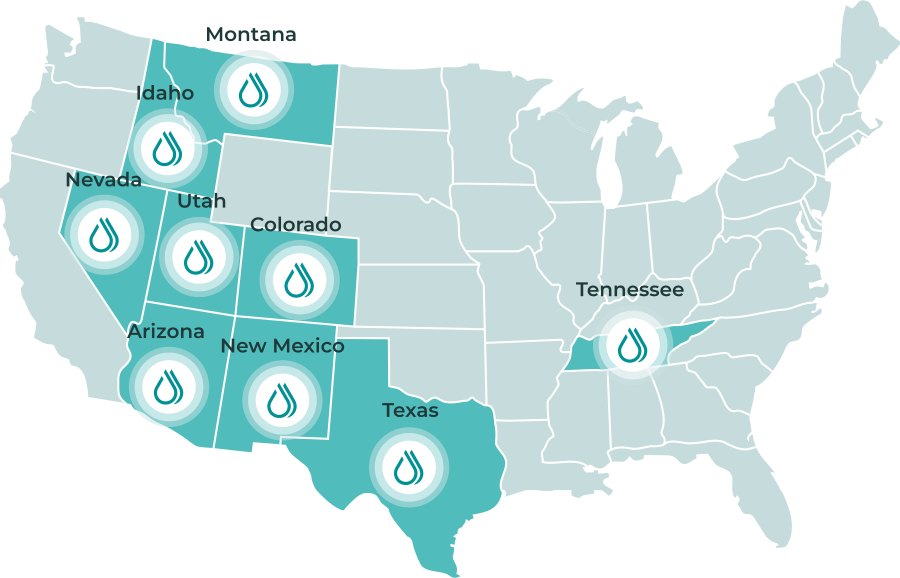
Pure IV serves patients across Arizona, Colorado, Utah, Nevada, Tennessee, New Mexico, Texas, Idaho, and Montana. Same-day service is available in most markets.
Recommended IV Options for Dehydration
Hydration IV
For those just needing hydration from illness, activity, or general wellness support.
Rapid hydration and electrolyte replacement.
Key Ingredients
- IV fluids
Price: $130*
(*prices may vary per state)
Myers Cocktail IV
The most popular package for hydration and micronutrient support.
Antioxidant and cellular support, assist muscle and nerve function, immune boost, and energy metabolism.
Key Ingredients
- B vitamins
- Vitamin C
- Glutathione
- Zinc
- Magnesium
Price: $210*
(*prices may vary per state)
Mega Myers Cocktail IV
Hydration and maximum wellness support with higher doses of vitamins and micronutrients.
Antioxidant and cellular support, assist muscle and nerve function, immune boost, and energy metabolism.
Key Ingredients
- B vitamins
- Vitamin C
- Glutathione
- Zinc
- Magnesium