IV Therapy for Menstrual Cramps, PMS, and Period Symptom Relief
Every month, the same thing. Cramps that double you over. A headache that turns into a full migraine. Nausea that makes eating impossible. Bloating so bad you cannot button your pants. Fatigue so heavy you can barely function. And on top of all of that, the mood swings, the irritability, and the brain fog that makes it impossible to focus at work or hold a normal conversation.
★★★★★ Trusted by 25,000+ satisfied patients
You have tried ibuprofen. You have tried heating pads. You have tried every herbal tea and supplement on the shelf. Some months they help a little. Other months they barely make a dent. And every month, you are still losing one to five days to symptoms that make normal life feel impossible.
Here is something most people are never told: the cramps, migraines, nausea, and fatigue that come with your period are not random. They are driven by specific chemical processes in your body — prostaglandins, hormone fluctuations, magnesium depletion, and dehydration. Each of these has a targeted solution. Menstrual relief IV therapy delivers anti-inflammatory medication, magnesium, B vitamins, hydration, and anti-nausea medication directly into your bloodstream. It targets the exact mechanisms causing your symptoms, and it works within minutes because it bypasses your stomach entirely.
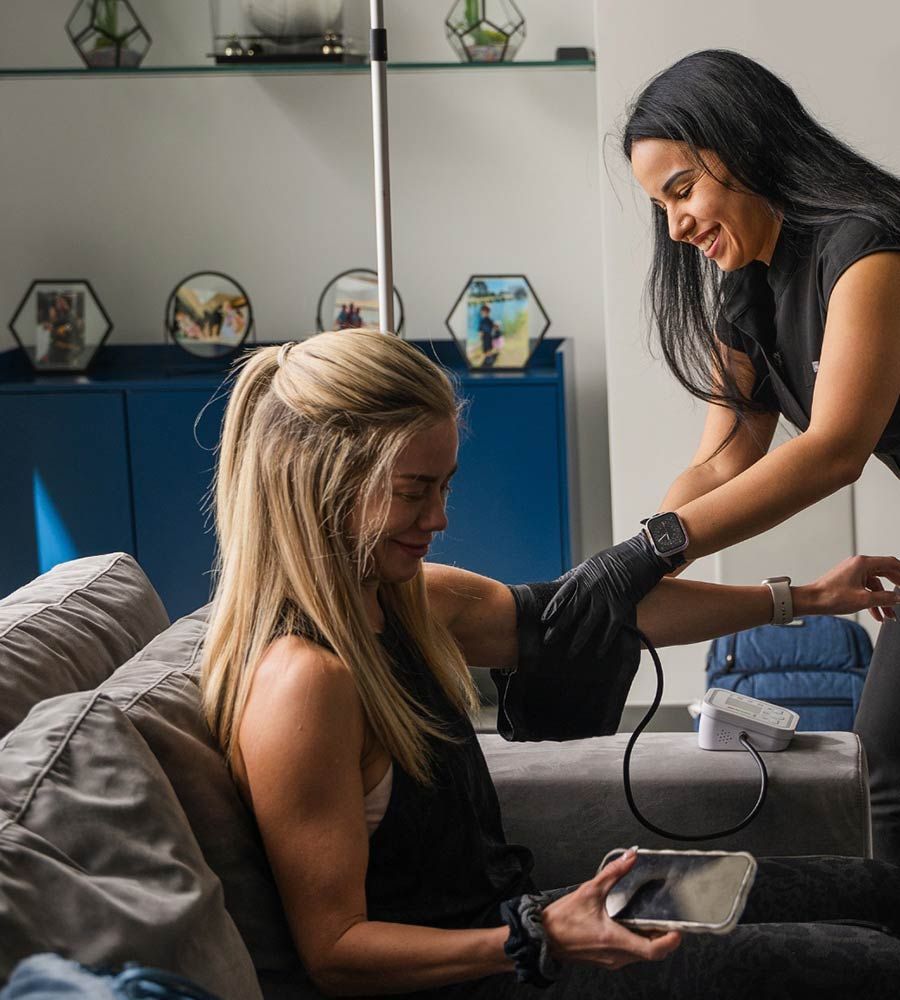
A licensed nurse or paramedic comes to your home. A Nurse Practitioner reviews and approves every treatment in real time. You stay on the couch with your heating pad while the IV does the rest.
Why Periods Hurt: The Science Behind Menstrual Symptoms
Period pain is not "just cramps." It is a complex set of chemical reactions that affect your entire body. Understanding what is actually happening explains why basic remedies often fall short — and why targeted IV therapy can make a real difference.
Prostaglandins: The Primary Driver of Cramps
When your uterine lining begins to shed, it releases chemicals called prostaglandins. These are the same inflammatory compounds involved in any injury or inflammation response. Prostaglandins cause the uterine muscle to contract — that is what you feel as cramps. The higher your prostaglandin levels, the more intense your cramps. Women with severe period pain have been found to have significantly higher prostaglandin levels than women with mild or no cramps.
But prostaglandins do not stay local. They enter your bloodstream and affect your entire body. This is why period cramps often come with headaches, nausea, diarrhea, and body aches. Those symptoms are not separate problems — they are all caused by the same prostaglandin cascade. This is also why NSAIDs (like ibuprofen and Toradol) are effective for period pain: they block the enzyme that produces prostaglandins.
Hormonal Shifts and Nutrient Depletion
In the days before your period, estrogen and progesterone levels drop sharply. This hormonal shift triggers a cascade of effects: serotonin levels decrease (causing mood changes, irritability, and anxiety), magnesium levels drop (contributing to cramps, headaches, and sleep disruption), and water retention increases (causing bloating and breast tenderness). Your body is also losing iron through menstrual bleeding, which contributes to fatigue — especially in women with heavy periods.
Menstrual Dehydration
Estrogen and progesterone influence your body’s fluid balance. When both hormones drop before and during your period, your body’s ability to retain fluid changes. Many women lose more fluid during their period than they realize, especially if they experience diarrhea (a prostaglandin-driven symptom). Dehydration worsens every other period symptom: it intensifies headaches, amplifies fatigue, contributes to muscle cramping, and impairs concentration. Most women do not connect their period symptoms to dehydration, but the link is direct.
Menstrual Migraines
Approximately 60% of women who experience migraines notice a correlation with their menstrual cycle. Menstrual migraines are triggered by the drop in estrogen that occurs in the days before and during your period. These migraines are often more severe and longer-lasting than non-menstrual migraines, and they are notoriously resistant to standard oral migraine treatments. The combination of hormonal triggers, prostaglandin-driven inflammation, and dehydration creates a multi-layered attack that a single pill often cannot address.
PMS vs. PMDD: Understanding the Spectrum
Not all period symptoms are the same. The severity of what you experience determines the right level of support.
| Condition | Symptoms | Impact |
|---|---|---|
| Mild PMS | Mild cramping, slight bloating, minor mood changes, mild fatigue. Symptoms are noticeable but manageable with basic remedies. | Inconvenient but does not significantly interfere with daily activities. Heating pads, OTC ibuprofen, and extra rest are usually sufficient. |
| Moderate to Severe PMS | Significant cramping, headaches or migraines, nausea, heavy bloating, fatigue, irritability, difficulty concentrating, food cravings, breast tenderness, body aches. | Interferes with work, exercise, social plans, and daily function. OTC medication provides incomplete relief. This is where IV therapy provides the most value. |
| PMDD (Premenstrual Dysphoric Disorder) | All PMS symptoms at severe intensity, plus: extreme mood swings, severe depression or anxiety, feelings of hopelessness, anger or emotional outbursts, inability to function normally. Symptoms occur in the luteal phase (1–2 weeks before the period) and resolve within a few days of menstruation starting. | Debilitating. PMDD affects 3–8% of women and is a recognized psychiatric condition. It often requires treatment from a healthcare provider, which may include SSRIs, hormonal therapy, or other interventions. IV therapy can support symptom management alongside medical treatment. |
What Is Inside a Menstrual Relief IV?
Each ingredient targets a specific mechanism behind period symptoms. This is not a generic vitamin bag — it is formulated to address prostaglandin-driven pain, hormonal nutrient depletion, dehydration, and the nausea that makes oral remedies unreliable.
| Ingredient | What It Does | Why It Matters for Period Symptoms |
|---|---|---|
| Normal Saline (0.9% NaCl) | Restores fluid volume and rehydrates cells throughout the body | Corrects the dehydration caused by hormonal fluid shifts, diarrhea, and reduced fluid intake from nausea. Proper hydration alone reduces headache severity, fatigue, and muscle cramping. |
| Magnesium | Relaxes smooth muscle (including uterine muscle), regulates neurotransmitters, and supports hundreds of enzymatic processes | Magnesium is the single most important mineral for menstrual symptoms. It directly relaxes the uterine muscle that is contracting during cramps. It also supports serotonin production (improving mood), reduces migraine frequency, and improves sleep. Studies show magnesium supplementation significantly reduces PMS symptom severity. Magnesium levels naturally drop before your period, making deficiency worse at exactly the wrong time. |
| B-Complex Vitamins | Supports energy production, neurotransmitter synthesis, and hormone regulation | B vitamins — especially B1, B6, and B12 — are essential for managing PMS. B6 supports serotonin and dopamine production, directly addressing mood swings, irritability, and anxiety. B1 has been shown to reduce the severity of menstrual cramps. B vitamins also combat the fatigue that makes periods so draining. |
| Vitamin B12 | Supports nerve function, red blood cell production, and energy metabolism | Menstrual blood loss depletes iron and reduces red blood cell efficiency. B12 supports red blood cell production to counteract this. It also addresses the fatigue and brain fog that intensify during your period. |
| Zinc | Supports immune function, hormone regulation, and prostaglandin modulation | Research shows zinc supplementation reduces both the intensity and duration of menstrual cramps. Zinc helps regulate progesterone levels and has anti-inflammatory properties that moderate the prostaglandin response. Zinc levels drop during menstruation, creating deficiency at the worst possible time. |
| Vitamin C (Ascorbic Acid) | Antioxidant that reduces inflammation and supports iron absorption | Vitamin C reduces inflammatory prostaglandin levels and supports iron absorption — critical when you are losing iron through menstrual bleeding. It also supports immune function, which can dip during your period due to hormonal changes. |
Optional medication add-ons prescribed by the NP on a case-by-case basis:
Toradol (ketorolac) — the most powerful option for cramp and headache relief. Toradol blocks the COX enzyme that produces prostaglandins, directly shutting down the chemical that causes cramps. It is the same class of drug as ibuprofen but significantly stronger and delivered at 100% bioavailability through the IV. Zofran (ondansetron) for period-related nausea. Pepcid (famotidine) for acid reflux and stomach irritation. Note: Toradol is not appropriate during pregnancy. The NP screens for pregnancy before prescribing.
IV Therapy vs. Over-the-Counter Period Remedies
| Approach | How It Helps | Limitations |
|---|---|---|
| Ibuprofen (Advil, Motrin) | Blocks prostaglandin production. Effective for mild to moderate cramps when taken early. Widely available and inexpensive. | Must be taken before cramps peak for best results. Stomach irritation with repeated use. Nauseous patients may not keep it down. Not strong enough for severe cramps or menstrual migraines. Takes 30–60 minutes to work. |
| Heating Pads | Increases blood flow to the uterus and relaxes muscle tension. Provides localized comfort. | Addresses surface-level muscle tension only. Does not reduce prostaglandin production, correct dehydration, or address systemic symptoms like nausea, migraines, or fatigue. |
| Oral Magnesium Supplements | Can reduce cramp severity over time when taken consistently throughout the cycle. | Takes weeks of consistent daily use to build up levels. Can cause diarrhea (making period symptoms worse). Absorption is limited by gut health. |
| Hormonal Birth Control | Reduces or eliminates periods. Can significantly reduce PMS symptoms for many women. | Not appropriate for everyone. Side effects can include mood changes, weight gain, blood clot risk, and decreased libido. Requires a prescription. Does not help when you are currently in the middle of a bad cycle. |
| IV Therapy | Delivers magnesium (muscle relaxation), Toradol (prostaglandin blocker), hydration, B vitamins, and anti-nausea medication directly into the bloodstream at 100% bioavailability. Works within 15–30 minutes. | Does not address underlying hormonal causes. Effects last days, not permanently. Works best as on-demand relief during severe cycles, not a replacement for ongoing hormonal management if needed. |
The most effective approach for most women combines ongoing management (consistent magnesium supplementation, exercise, stress management, and hormonal treatment if appropriate) with on-demand relief during the worst days. IV therapy fills the on-demand role: fast, targeted, and effective when your regular routine is not enough.
When to Schedule Your IV for Maximum Relief
Timing matters. Here is how to get the most out of a menstrual relief IV:
Best Time: At the First Sign of Symptoms
Prostaglandin levels build before they peak. Getting an IV when cramps first start — or even when you feel PMS symptoms beginning in the days before your period — allows the magnesium and anti-inflammatory medication to get ahead of the inflammatory cascade. Stopping prostaglandins before they peak is easier than trying to reduce them once they are already elevated.
Still Effective: During Peak Symptoms
Even if you are in the middle of a terrible cycle, an IV still provides significant relief. The Toradol blocks prostaglandin production within minutes of entering your bloodstream. The magnesium relaxes uterine contractions. The hydration addresses the dehydration driving your headache and fatigue. The Zofran stops the nausea. Most patients feel improvement within 15 to 30 minutes of the infusion starting.
Proactive Scheduling for Predictable Cycles
If your cycle is regular and you know which days are worst, you can schedule your IV in advance. Many patients with severe PMS book their IV for the first or second day of their period every month. Some schedule one for the week before their period when PMS symptoms peak. Knowing you have relief scheduled can reduce the anxiety and dread that many women feel as their period approaches.
What Actually Causes a Hangover?
Most people assume hangovers are just dehydration. That’s part of it, but the full picture is more complicated. A hangover is actually your body dealing with multiple problems at the same time. Here’s what’s happening inside your body after a night of heavy drinking:
Dehydration and Electrolyte Loss
Alcohol is a diuretic — it tells your kidneys to produce more urine than normal. Research shows that drinking about 4 standard drinks can cause your body to eliminate 600 to 1,000 mL of extra fluid over several hours. That’s up to a full quart of water your body loses on top of what it normally would. This fluid loss pulls electrolytes like sodium, potassium, and magnesium out with it. The result? Thirst, dry mouth, headaches, dizziness, and that overall “wrung out” feeling.
Acetaldehyde Buildup
When your liver processes alcohol, it breaks it down in two steps. First, an enzyme called alcohol dehydrogenase converts ethanol (the alcohol you drank) into acetaldehyde. Then a second enzyme converts acetaldehyde into harmless acetate. The problem? Acetaldehyde is toxic — between 10 and 30 times more toxic than the alcohol itself. When you drink heavily, your liver can’t convert acetaldehyde fast enough. It builds up in your system and causes nausea, vomiting, sweating, and a rapid heartbeat. This is one of the biggest drivers of that “I feel like I’m dying” hangover feeling.
Inflammation and Immune Response
Alcohol triggers your immune system to release inflammatory chemicals called cytokines. These are the same chemicals your body produces when you’re fighting an infection — which is why a bad hangover can feel a lot like being sick. Cytokines cause headaches, body aches, fatigue, nausea, and brain fog. They can even interfere with memory formation, which is why you might not remember parts of the night before.
Stomach Irritation
Alcohol directly irritates and inflames the lining of your stomach and intestines. It increases stomach acid production and slows down the rate at which your stomach empties. This combination causes the nausea, stomach pain, and sometimes vomiting or diarrhea that make hangovers so miserable.
Blood Sugar Drops
Your liver is so busy processing alcohol that it can’t properly regulate your blood sugar. This can cause blood sugar levels to drop, leading to shakiness, weakness, fatigue, and mood changes. If you’re diabetic, this effect can be even more pronounced and potentially dangerous.
Sleep Disruption
Alcohol might help you fall asleep, but it wrecks the quality of your sleep. It blocks the deeper stages of sleep (called REM sleep) that your brain and body need to restore themselves. This is why you can sleep for 8+ hours after drinking and still wake up feeling exhausted, foggy, and irritable.
Congeners: Why Some Drinks Cause Worse Hangovers
Not all alcoholic drinks are created equal when it comes to hangovers. Darker liquors like bourbon, whiskey, red wine, and brandy contain higher levels of compounds called congeners — chemical byproducts of fermentation that contribute to taste, color, and smell. Congeners include substances like methanol, which your body converts into formaldehyde and formic acid (both highly toxic). This is why a night of bourbon tends to produce a worse hangover than the same amount of vodka or gin, which contain far fewer congeners.
➤ Need fast hangover relief? Check out our Hangover IV package:
Why Most Hangover Remedies Don’t Work
Let’s be honest — everyone has a “cure” for hangovers. Your college roommate swears by a greasy breakfast. Your coworker drinks pickle juice. The internet says activated charcoal. But when it comes to actual evidence, most popular hangover remedies don’t hold up.
“Hair of the Dog” (Drinking More Alcohol)
This is the oldest hangover myth in the book. Drinking more alcohol the morning after might temporarily mask symptoms because you’re getting buzzed again — but you’re just delaying the inevitable. Your liver still has to process all that alcohol eventually. When the hangover finally catches up, it’s usually worse than it would have been. The National Institute on Alcohol Abuse and Alcoholism is clear: there is no scientific evidence that this works.
Coffee
Caffeine might help with a headache and make you feel more alert temporarily, but it’s also a diuretic — meaning it makes you pee more and can make dehydration worse. And it does nothing to address nausea, inflammation, or the toxic byproducts your liver is still processing.
Greasy Food
Eating a big, greasy meal before drinking can slow alcohol absorption, which may reduce hangover severity. But eating greasy food after you’re already hungover? It’s more likely to make your nausea worse. Your stomach is already irritated and inflamed — dumping heavy, fatty food on top of that is usually not the answer.
Sports Drinks
Sports drinks like Gatorade can help with mild dehydration because they contain electrolytes. But they also contain a lot of sugar, and they still have to pass through your stomach — which may not be cooperating. If you’re vomiting, sports drinks aren’t going to stay down long enough to help.
Over-the-Counter Pain Relievers
Ibuprofen (Advil) can help with headaches and body aches, but it can also further irritate your already-inflamed stomach lining. Acetaminophen (Tylenol) is especially risky because your liver is already working overtime to process alcohol — adding Tylenol puts additional strain on it. Aspirin can also increase stomach irritation and bleeding risk.
The bottom line: most hangover remedies either don’t work, only address one symptom, or can actually make things worse. Effective hangover recovery needs to address multiple problems simultaneously — dehydration, electrolyte loss, inflammation, nausea, and nutrient depletion. That’s exactly what IV therapy does.
How IV Therapy Treats Hangover Symptoms
IV therapy is the most comprehensive approach to hangover relief because it tackles every major cause of your symptoms at the same time. Here’s how each component works:
IV Fluids (Lactated Ringer’s): Rapid rehydration that bypasses your stomach. One liter of IV fluids rehydrates you faster and more completely than drinking several bottles of water — especially important when you’re too nauseous to keep anything down.
Anti-Nausea Medication (Zofran/Ondansetron): This is the same medication hospitals use to stop nausea and vomiting. Delivered directly into your bloodstream, it works within minutes — not the 30-60 minutes it takes for an oral anti-nausea pill (if you can even keep one down).
Anti-Inflammatory Pain Medication (Toradol/Ketorolac):
A powerful, non-narcotic anti-inflammatory that’s far more effective than ibuprofen for hangover headaches and body aches. Unlike acetaminophen, Toradol doesn’t put extra strain on your liver.
B Complex Vitamins: Alcohol depletes your B vitamins, which are essential for energy production, brain function, and metabolism. Replenishing them through an IV restores what alcohol took away and helps your body recover faster.
Vitamin B12: Supports energy levels and neurological function. Alcohol interferes with B12 absorption, so IV delivery ensures your body actually gets what it needs.
Magnesium: Alcohol causes significant magnesium loss. Low magnesium contributes to muscle cramps, headaches, irritability, and fatigue — all classic hangover symptoms. IV magnesium helps restore balance quickly.
Vitamin C: A powerful antioxidant that helps your body fight the oxidative stress caused by alcohol metabolism. It supports your immune system and helps your liver process toxins more efficiently.
Glutathione (available as an add-on): Known as the “master antioxidant,” glutathione plays a direct role in helping your liver break down acetaldehyde — the toxic byproduct that causes many of the worst hangover symptoms. Alcohol depletes your body’s glutathione stores, so replenishing it can accelerate your recovery.
Hangover Remedies Compared: What Actually Works?
| Remedy | Addresses Dehydration? | Stops Nausea? | Relieves Pain? |
|---|---|---|---|
| Water | Partially (slow absorption) | No | No |
| Sports Drinks | Partially (slow, sugar-heavy) | No | No |
| Coffee | No (makes it worse) | No (can increase it) | Mild headache relief |
| Ibuprofen | No | No (irritates stomach) | Yes (limited) |
| Greasy Food | No | Can make it worse | No |
| IV Therapy | Yes (100% absorption, immediate) | Yes (anti-nausea medication included) | Yes (Toradol, more effective than OTC) |
This doesn’t mean you should stop drinking water. Staying hydrated daily is still the best way to prevent dehydration. But when dehydration has already set in and you need fast relief, IV therapy gets you there faster.
Altitude Makes Hangovers Worse — Here’s Why That Matters
If you’re drinking in Colorado, Utah, Montana, Idaho, or any high-altitude destination, your hangovers are going to be significantly worse than they’d be at sea level. This isn’t in your head — there’s a real physiological reason.
At higher elevations, the air is drier and your breathing rate increases. Both of these accelerate fluid loss. Your body is already working harder to adjust to the altitude, which burns through water and electrolytes faster than normal. Add alcohol — a diuretic that also impairs your body’s ability to acclimatize — and you’re setting yourself up for a hangover that’s far more severe than what you’d experience at sea level.a
Research also suggests that alcohol’s effects feel stronger at altitude because lower oxygen levels may impair your body’s ability to metabolize alcohol efficiently. This means you may feel drunker from fewer drinks, and the resulting hangover hits harder.
Pure IV serves multiple high-altitude markets including Denver, Park City, Salt Lake City, Boise, and Bozeman. If you’re visiting any of these areas and planning to drink, proactive hydration — including a pre-event IV — can make a meaningful difference in how you feel the next morning.
➤ Heading out tonight? Get ahead of the hangover:
When Should You Get IV Therapy for a Hangover?
IV therapy for hangovers isn’t just for people who went way too hard. Many people use it in everyday situations where they want to recover quickly and get on with their day:
- After a night out when you’re too nauseous to eat or drink anything
- The morning of an important meeting, flight, or family event when you can’t afford to be down
- During bachelor or bachelorette party weekends when you need to rally for multiple days
- After wedding receptions, holiday parties, or corporate events
- During festival or concert weekends (looking at you, Vegas and Nashville)
- After drinking at altitude in Colorado, Utah, Montana, or Idaho
- When over-the-counter remedies aren’t cutting it and you need real relief
- Proactively before a big event — some people book a pre-event IV to start the night fully hydrated
Supporting Your Body Between IV Treatments
An IV provides powerful on-demand relief, but daily habits throughout your cycle influence how severe your symptoms are. These strategies are backed by research:
Magnesium Loading
- Start taking magnesium glycinate or magnesium citrate daily (200–400mg) starting two weeks before your expected period. Magnesium glycinate is less likely to cause digestive issues than other forms.
- Eat magnesium-rich foods: dark chocolate, pumpkin seeds, almonds, spinach, avocados, and bananas.
Hydration Strategy
- Increase your water intake in the days leading up to and during your period. Aim for at least half your body weight in ounces.
- Reduce caffeine and alcohol during the luteal phase (the two weeks before your period). Both are diuretics that worsen dehydration.
- Add electrolytes to your water during your period, especially if you experience diarrhea.
Anti-Inflammatory Nutrition
- Increase omega-3 fatty acids: salmon, sardines, walnuts, and flaxseed. Omega-3s compete with the same pathways that produce inflammatory prostaglandins.
- Reduce inflammatory foods during the luteal phase: processed foods, refined sugar, alcohol, and excess dairy can amplify inflammatory prostaglandin production.
Movement
- Exercise releases endorphins (natural pain relievers) and improves blood flow to the uterus. Even a 20-minute walk can measurably reduce cramp severity.
- Yoga and stretching that target the hip flexors and lower back can directly relieve pelvic tension.
Sleep
- Prioritize sleep in the days before your period. Sleep deprivation lowers your pain threshold and worsens mood symptoms.
- Magnesium supplementation before bed can improve sleep quality during the luteal phase.
Why Choose Pure IV for Menstrual and PMS Relief?
Physician-Owned:
Pure IV is owned and operated by physicians with equity in the company. The IV formulations and clinical protocols are designed by doctors who understand the physiology behind menstrual symptoms.
Real-Time NP Oversight:
Every treatment is reviewed and approved by a Nurse Practitioner before it begins. The NP screens for pregnancy (Toradol is not appropriate during pregnancy), reviews your health history, and ensures the formulation is safe and appropriate for you.
Licensed RNs and Paramedics:
Your IV is administered by a licensed Registered Nurse or paramedic. These are medical professionals experienced in IV medication delivery.
Comfortable and Private:
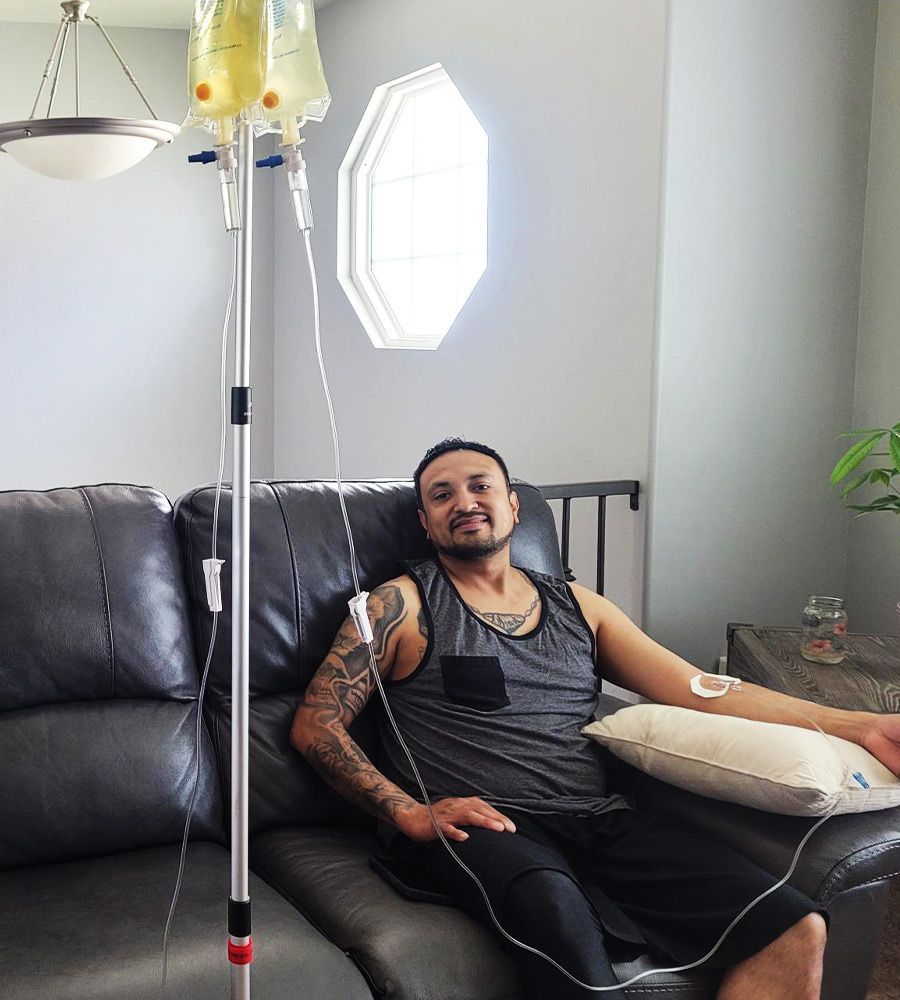
Period symptoms are miserable enough without having to sit in a waiting room. A nurse comes to your home. You stay on the couch, in your pajamas, with your heating pad. Nobody needs to know.
No Hidden Fees:
The price you see is the price you pay. No travel fees. No surprise charges.
Same-Day Service:
When your period hits hard, you do not want to wait. Text or call and we will have a nurse at your door the same day.
HSA/FSA Accepted:
Use your Health Savings Account or Flexible Spending Account to pay for your treatment.
Why Choose Pure IV for Dehydration Treatment?
Not all mobile IV therapy services are created equal. Here’s what makes Pure IV different:
Real-Time Nurse Practitioner Approval: Before your IV starts, a licensed Nurse Practitioner reviews your health information and approves your treatment in real time. This isn’t a rubber stamp — it’s a genuine medical review to make sure you’re getting the right treatment safely. Most mobile IV companies don’t offer this level of oversight.
Licensed Medical Professionals Only: Every Pure IV treatment is administered by a licensed Registered Nurse or Paramedic with IV therapy experience. No shortcuts, no unlicensed staff.
Physician-Owned: Pure IV is a physician-owned practice, meaning our protocols, ingredient sourcing, and safety standards are held to a higher level than most competitors in the mobile IV space.
Same-Day Service: When you’re dehydrated, you don’t want to wait until tomorrow. Book online or call, and we’ll have a provider at your door as quickly as possible — often within a few hours.
No Hidden Fees: The price you see is the price you pay. No travel fees, no surprise charges. We accept all major credit cards, and our services are HSA and FSA eligible.
We Come to You: Home, office, hotel, Airbnb, event venue — wherever you are, we’ll be there. No driving, no waiting rooms, no hassle.
Frequently Asked Questions About Menstrual and PMS Relief IV Therapy
Can IV therapy stop my period or change my cycle?
No. IV therapy does not affect your menstrual cycle, stop your period, or alter your hormones. It provides symptom relief by replenishing nutrients, reducing inflammation, stopping nausea, and correcting dehydration. Your cycle continues normally.
How quickly will I feel relief from cramps?
Most patients feel cramp relief within 15 to 30 minutes once the Toradol and magnesium enter the bloodstream. Toradol blocks prostaglandin production (the direct cause of cramps), and magnesium relaxes the uterine muscle. The combination addresses cramps from two directions simultaneously. Hydration and B vitamins address fatigue and headache within the same timeframe.
Can I get this IV if I might be pregnant?
The NP screens for pregnancy before every treatment. Toradol (ketorolac) is not appropriate during pregnancy. If pregnancy is possible, the NP will adjust the formulation to exclude medications that are not pregnancy-safe. The hydration, magnesium, and B vitamin components are generally safe during pregnancy, but the NP makes that determination on a case-by-case basis.
Will this help with menstrual migraines?
Will this help with menstrual migraines?
How often should I get a menstrual relief IV?
It depends on your cycle. Some women get one IV per cycle during their worst day. Others schedule IVs during both the PMS phase and the first day of their period. Some only come in during particularly bad months. There is no required schedule — it is on-demand relief you can use whenever you need it.
Is this better than just taking more ibuprofen?
IV therapy addresses more mechanisms simultaneously. Ibuprofen only blocks prostaglandins — and it has to pass through your stomach first (which may be nauseous). An IV delivers a stronger prostaglandin blocker (Toradol) plus magnesium (muscle relaxation and migraine prevention), hydration (headache and fatigue relief), B vitamins (energy and mood support), and anti-nausea medication — all at 100% bioavailability, all within minutes. It is not that ibuprofen is bad. It is that severe period symptoms involve multiple problems, and ibuprofen only addresses one of them.
Can I get the IV at my home?
Yes. Pure IV is a mobile service. A licensed nurse comes to your home, apartment, office, or hotel. Most treatments take 30 to 45 minutes. You do not have to leave the couch.
Do you accept HSA or FSA?
Yes. Pure IV accepts HSA and FSA payments for all IV treatments.
You Should Not Have to Lose Days Every Month
Period symptoms are real, they are measurable, and they have specific chemical causes. Prostaglandins cause the cramps. Hormone shifts deplete magnesium and serotonin. Dehydration amplifies the headaches and fatigue. These are not things you should just "push through" — they are problems with solutions.
Menstrual relief IV therapy delivers targeted, fast-acting solutions directly into your bloodstream. A licensed nurse comes to you. A Nurse Practitioner approves every treatment. You stay comfortable at home while the cramps, nausea, and headaches start to fade.
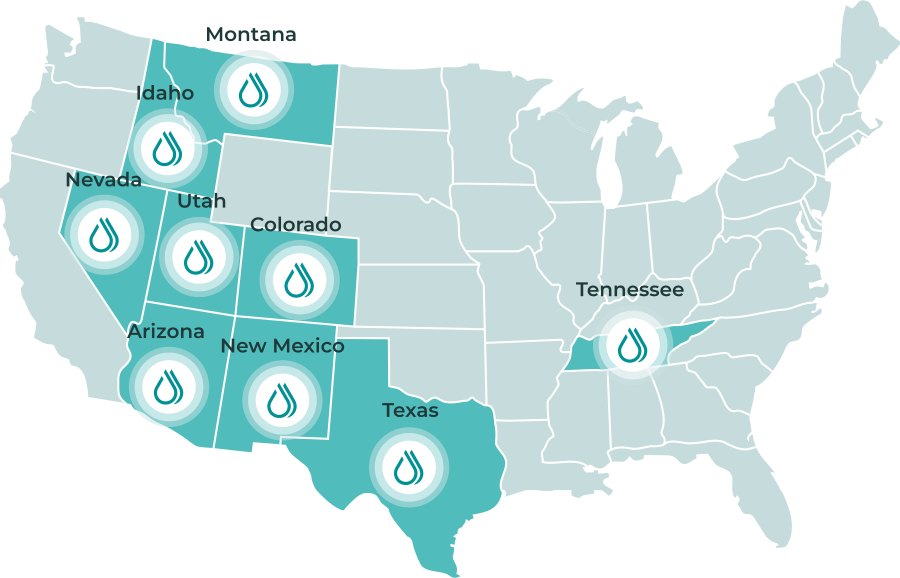
Pure IV serves patients across Arizona, Colorado, Utah, Nevada, Tennessee, New Mexico, Texas, Idaho, and Montana. Same-day service is available in most markets.
Recommended IV Options for Dehydration
Hydration IV
For those just needing hydration from illness, activity, or general wellness support.
Rapid hydration and electrolyte replacement.
Key Ingredients
- IV fluids
Price: $130*
(*prices may vary per state)
Myers Cocktail IV
The most popular package for hydration and micronutrient support.
Antioxidant and cellular support, assist muscle and nerve function, immune boost, and energy metabolism.
Key Ingredients
- B vitamins
- Vitamin C
- Glutathione
- Zinc
- Magnesium
Price: $210*
(*prices may vary per state)
Mega Myers Cocktail IV
Hydration and maximum wellness support with higher doses of vitamins and micronutrients.
Antioxidant and cellular support, assist muscle and nerve function, immune boost, and energy metabolism.
Key Ingredients
- B vitamins
- Vitamin C
- Glutathione
- Zinc
- Magnesium